
Sell Luxury Watches in NYC
Rolex, Patek Philippe, Audemars Piguet, Cartier, Omega and more. Authenticated and valued against live secondary-market data, with or without box and papers.
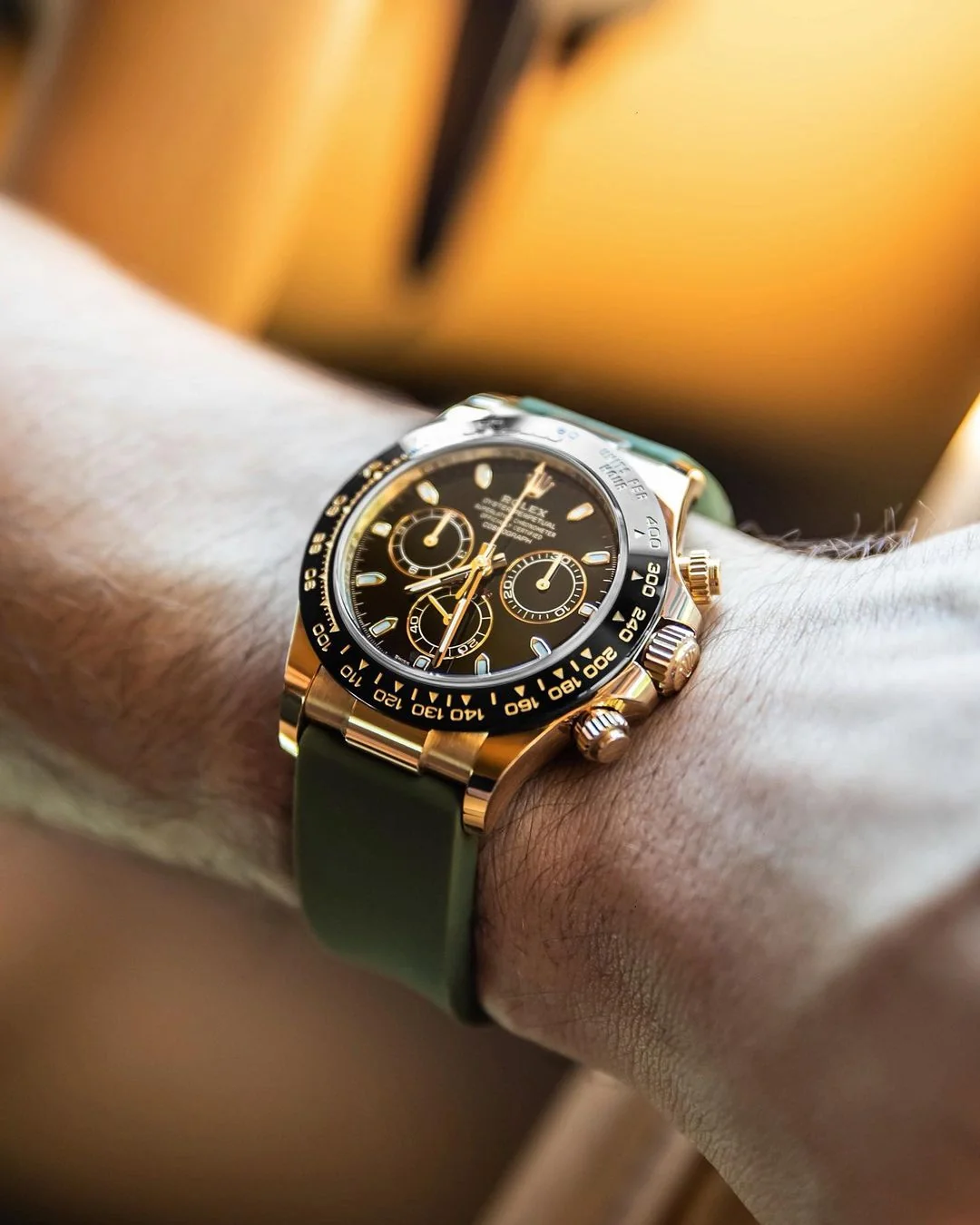
Luxury watches have a real, published secondary market. Auction results, dealer listings and recent comparable sales are all documented, which means a fair offer on a specific reference is researchable rather than negotiable. That is very different from how a pawn shop prices a watch.
The reference number is where every valuation starts. Two Submariners from different years can differ substantially in value, and the number on the case tells us which one is sitting on the counter.
Find your reference number
On most Rolex models the reference sits between the lugs at 12 o'clock, visible once the bracelet is removed, and on newer pieces it is engraved on the rehaut inside the crystal. Cartier and Omega usually engrave it on the caseback. If you can find and send that number before visiting, we can give you a far tighter range over the phone.
What box and papers are actually worth
A full set — original box, warranty card, booklets and receipt — can add materially to the value on sought-after references, particularly Rolex, Patek and AP. On more common models the effect is smaller. Missing papers do not prevent a sale and are not a problem; we will simply tell you what the complete set would have added so you can decide whether it is worth hunting for.
Condition, service and originality
Original dials, hands and bezels matter more than a flawless polish. Over-polished cases with softened lug edges actually reduce value on vintage pieces, so resist the urge to have anything refinished before selling. Running condition affects the offer but a non-running watch is still very much worth bringing in — service cost is simply factored in.
Selling here versus listing it yourself
A private sale on Chrono24 or eBay can net more, and we will say so. It also means shipping a valuable item, waiting weeks or months, managing chargeback and scam risk, and paying platform fees. We offer a firm number and payment the same day. Which of those is worth more is genuinely your call, and plenty of people decide to list it themselves after coming in for a valuation.
Three steps, one visit.
Walk in or send photos
No appointment during business hours. Photos first if you'd rather have a ballpark before the trip.
We test and weigh it
XRF for purity, certified scale for weight, loupe and certification review for stones — all at the counter.
Take the offer or take it home
We show the math against live spot. Accept and get paid, or walk out with your items. No pressure either way.
Before you come in.
Do I need the box and papers to sell my watch?
No. They help on certain references and we will tell you how much, but they are not required. The watch itself is what we authenticate and value.
How do you authenticate a watch?
We examine the movement, caseback engravings, dial printing, crown, bracelet and clasp against known specifications for that reference. If anything raises a question we tell you directly rather than quietly reducing the offer, and we do not make offers on pieces we cannot authenticate to our own satisfaction.
My watch is not running — will you still buy it?
Yes. Bring it. Service costs are factored into the offer, but a non-running movement does not make a watch unsellable, especially on desirable references.
Should I have my watch polished or serviced first?
No on both counts. Polishing removes case metal and can reduce value on vintage pieces, and a service you pay for rarely returns its cost in the offer. Bring it exactly as it is.
Can you quote me over the phone?
We can give a useful range if you have the reference number, the approximate year and an honest description of condition. A firm written offer requires the watch in hand, because photographs consistently miss the details that move the number.