
Sell Silver in NYC
Sterling flatware, junk silver coins, bars, rounds and scrap sterling. Sorted, tested and weighed at the counter, priced off live silver spot, paid the same day.
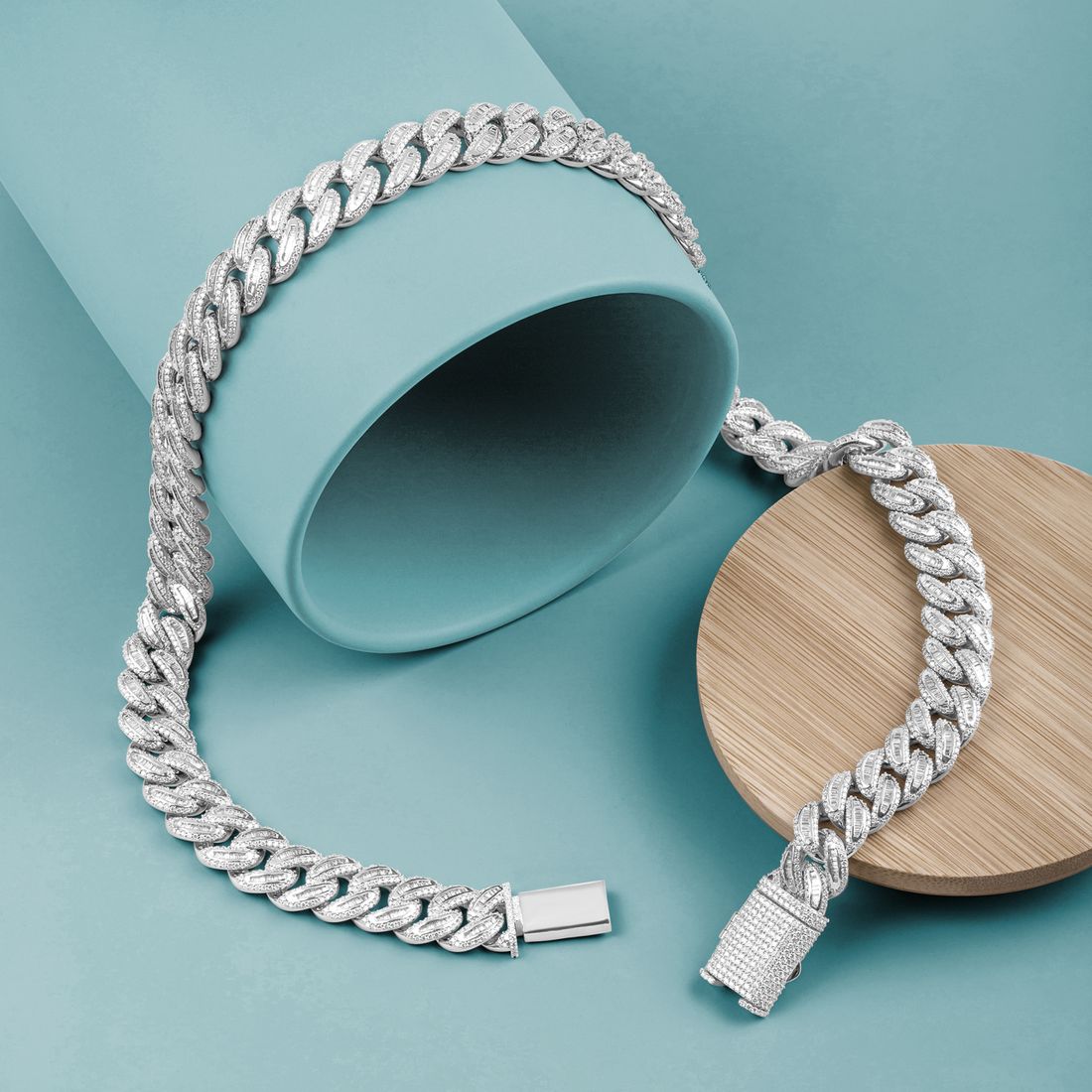
Silver catches people out in both directions. A flatware chest that looks like it should be worth a fortune is often silver-plated and worth very little, while a coffee can of old dimes and quarters someone nearly threw away can be worth real money. The only way to know which you have is to test it.
We sort silver by type and purity before pricing, because a mixed lot is rarely one thing. Sterling, coin silver, junk silver and plate all price differently, and lumping them together always costs the seller.
Sterling versus plate — how to check
Sterling is marked .925, "Sterling", or occasionally "Ster". Plated pieces are marked EPNS, "Silver Plate", A1, or nothing at all. Look on the back of flatware handles and on the underside of hollowware. Plate is a thin silver skin over base metal and carries essentially no melt value, which is the single most common disappointment in this category. If your pieces are unmarked, bring them — testing is free and takes a minute.
Junk silver is not junk
US dimes, quarters and half dollars minted in 1964 and earlier are 90% silver. Half dollars from 1965 to 1970 are 40%. The nickname refers to the coins having no collector premium, not to being worthless — a roll of pre-1965 quarters contains a meaningful amount of silver and is valued on that content. Bring them by weight rather than counting them out.
Flatware is priced by weight, not by place setting
A complete twelve-person service is not worth more per ounce than an incomplete one. Missing pieces reduce total weight, nothing else. Note that knife handles are usually weighted with pitch or cement and hollow inside, so they weigh far more than their silver content — we account for that openly rather than pretending it is not the case.
Why silver moves more than gold
Silver has heavy industrial demand alongside its role as a store of value, which makes it more volatile day to day. That cuts both ways: an offer can be noticeably different from one week to the next. We price off the live number, so what matters is where the market is standing when you walk in.
Three steps, one visit.
Walk in or send photos
No appointment during business hours. Photos first if you'd rather have a ballpark before the trip.
We test and weigh it
XRF for purity, certified scale for weight, loupe and certification review for stones — all at the counter.
Take the offer or take it home
We show the math against live spot. Accept and get paid, or walk out with your items. No pressure either way.
Before you come in.
How can I tell if my silverware is real silver?
Check for a .925 or "Sterling" stamp on the back of handles or the underside of pieces. EPNS or "Silver Plate" means plated. Sterling is also non-magnetic and has a distinctly duller, warmer tone than the bright chrome look of plate. If you are unsure, we test free of charge.
Do you buy silver plated items?
Generally no — the silver layer is measured in microns and the recovery cost exceeds the value. We will check anything you bring and tell you straight rather than have you wonder. Very large quantities of plate are occasionally worth discussing.
Should I polish my silver before bringing it in?
No, and please do not. Polishing removes a small amount of metal every time, and on antique pieces it can strip patina that adds value. Tarnish has no effect on the offer. Bring it exactly as it is.
What is sterling silver worth per ounce?
Sterling is 92.5% silver, so a troy ounce of sterling contains 0.925 troy ounces of pure silver. Multiply that by the day's spot price for the melt value. The live number is on the ticker at the top of this page.
Do you buy large flatware collections?
Yes, and volume is not a problem. If you are bringing multiple chests or an estate lot, call ahead so we can allocate time and have the right person weighing and sorting with you.