
Ever Wondered How to Sell Precious Metals Efficiently in NYC?
Learn how to effectively sell precious metals in NYC for optimal value.
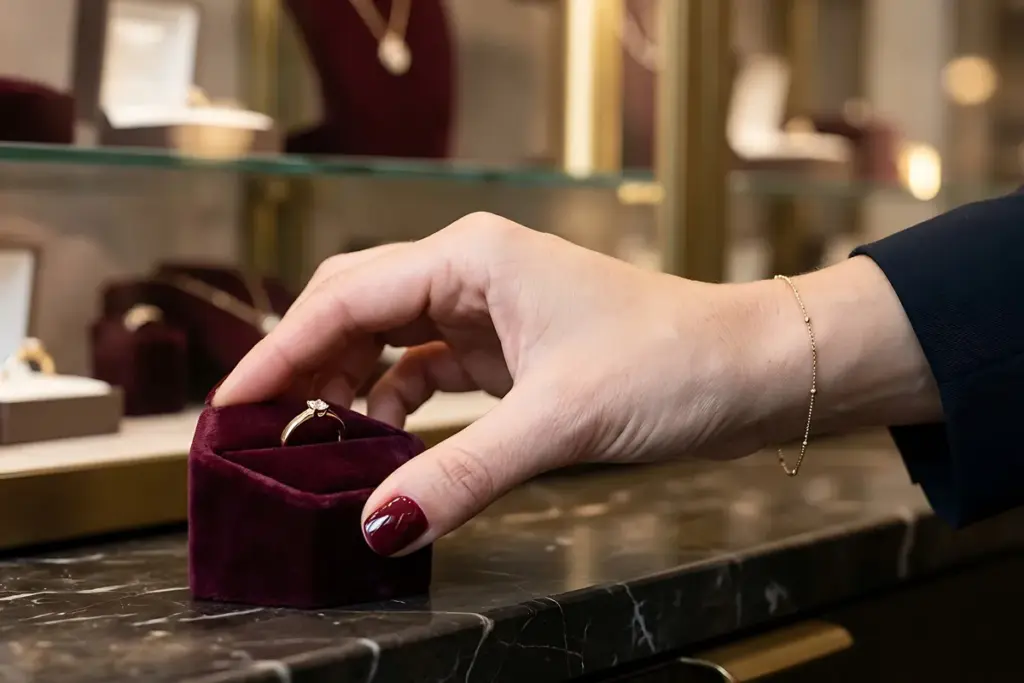
Most people who decide to sell precious metals in NYC have one thing in common, they leave money on the table because they walked in without knowing what to expect. The city has no shortage of buyers, but that abundance can actually work against you if you don’t know how to tell a serious buyer from someone just looking to flip your items for a quick profit. This guide cuts through the noise and gives you the practical edge you need before you hand anything over.

Your Metal Is Worth More Than You Think, Here’s Why Most People Don’t Realize It
The biggest mistake sellers make is assuming that broken, tarnished, or mismatched pieces aren’t worth much. That’s simply not true. A tangled gold chain with a missing clasp still contains the same amount of gold as a pristine one. A dented silver candlestick still carries full melt value. Buyers who deal in volume know this, and the less informed you are, the more that gap in knowledge costs you.
Before you walk into any buyer’s office, take a few minutes to sort your items by metal type. Gold, silver, and platinum should be separated. Mixed lots slow down the evaluation process and can lead to lowball estimates when a buyer groups everything together at the lowest common denominator. If you have platinum pieces specifically, it’s worth understanding how that market behaves, platinum prices move differently than gold, and timing matters. You can read more about that on our page about selling platinum in NYC.
Does the condition of my metal affect what I’ll be paid?
Condition affects collectible value, but not melt value, a scratched gold ring pays the same by weight as a polished one. Where condition does matter is when a piece has additional value as jewelry or as a collectible. A well-preserved vintage brooch might be worth more than its raw metal content to the right buyer. A heavily damaged one probably won’t be. Know which category your items fall into before you go in.
Should I get my items appraised before selling?
A formal appraisal isn’t always necessary, but it gives you a reference point, especially for estate pieces or anything with stones. An appraisal tells you what something is insured for, not necessarily what a buyer will pay today. Those are two different numbers. What matters more is understanding current market conditions and finding a buyer who evaluates your items transparently, in front of you, with a clear explanation of how they arrived at their offer.
The NYC Market Plays by Its Own Rules
New York has one of the most active secondary markets for gold, silver, and platinum anywhere in the country. That’s both a blessing and a trap. The blessing: competition among buyers generally keeps offers more competitive than you’d find in smaller markets. The trap: the sheer number of storefronts, pop-up buyers, and online-only operations makes it easy to end up with someone who isn’t equipped, or motivated, to give you a fair evaluation.
Long-established buyers in the city have relationships with refiners, deep knowledge of spot pricing trends, and the volume to offer better margins. A buyer who does ten transactions a week operates very differently from one who does hundreds. The Precious Metals Group has been operating in this market long enough to know that trust is built through transparency, showing clients exactly how weight and purity are assessed, not just handing them a number and hoping they accept it.
Walk-in sellers who’ve worked with experienced buyers often describe the same feeling afterward: they wished they had come in sooner rather than sitting on items for years. The metal doesn’t appreciate by sitting in a drawer, and market conditions can shift. If you’ve been holding onto silver flatware, old gold jewelry, or even industrial metal scraps, the time spent waiting rarely adds value.
Is it better to sell everything at once or piece by piece?
Selling everything at once is almost always more efficient, and often more profitable. Buyers who evaluate larger lots can move faster, and you avoid the time cost of multiple appointments or transactions. The exception is if you have a single standout piece, a high-quality diamond, a luxury watch, or a rare collectible, that deserves its own evaluation rather than being bundled with scrap.
What metals are buyers actually looking for right now?
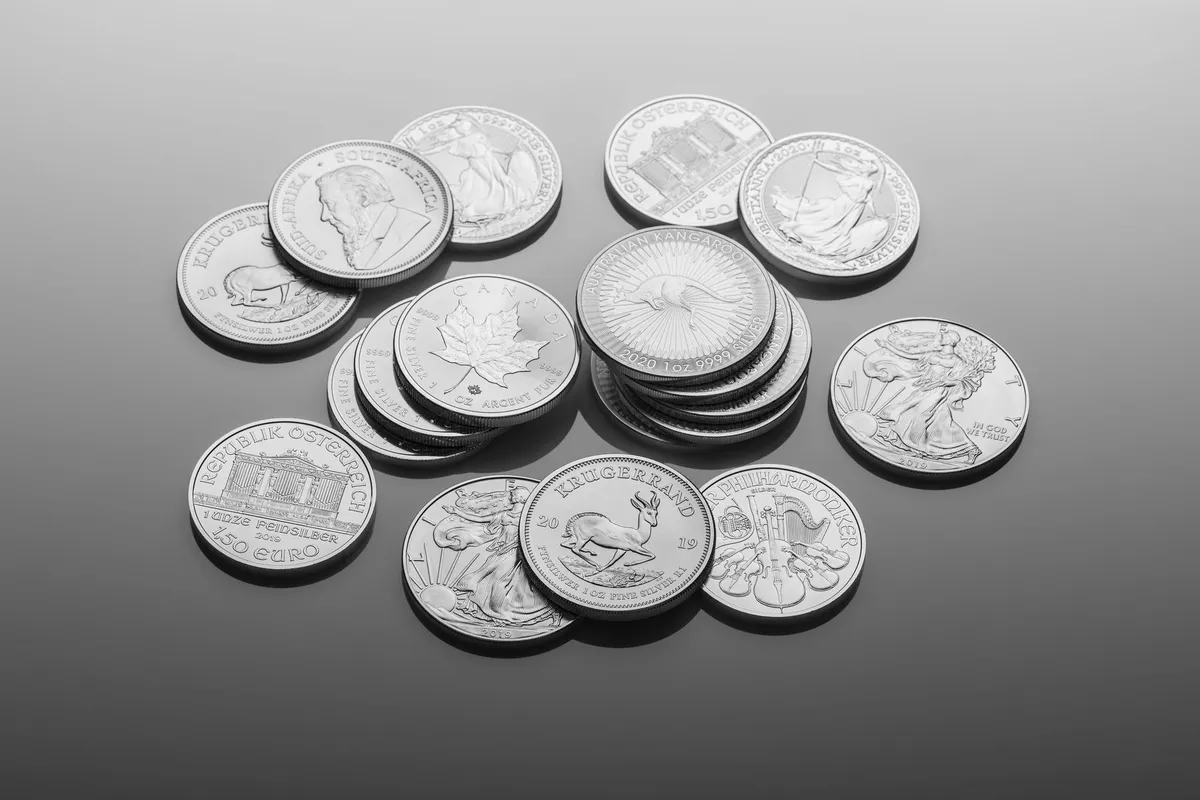
Gold remains the most consistently sought-after metal, but silver and platinum both have strong demand. Silver in particular is often underestimated by sellers, large quantities of sterling flatware, serving sets, or hollowware can add up to a meaningful payout. If you’re unsure what you have, a reputable buyer will identify and test your items on the spot. Don’t let uncertainty about what something is worth stop you from getting it evaluated.
How to Walk In Prepared and Walk Out Satisfied
Preparation doesn’t have to be complicated. Gather everything you’re considering selling. Look for any stamps or hallmarks, these indicate purity and can speed up the evaluation. Common marks include 925 for sterling silver, 750 for 18-karat gold, and 950 for high-purity platinum. You don’t need to be an expert, but knowing these basics shows a buyer you’re an informed seller, which tends to result in a more straightforward conversation.
Bring any documentation you have, original receipts, prior appraisals, certificates for diamonds or gemstones. These don’t always change the offer, but they can, especially for pieces with provenance or designer origin. If you’re selling items from an estate, read up on how to get maximum value from estate jewelry before your appointment. There are specific considerations that apply to inherited pieces that most sellers don’t think about until they’re already sitting across from a buyer.
Get more than one offer if you have the time. A reputable buyer won’t pressure you to sell on the spot. If someone is rushing you, that’s a signal. The best transactions happen when both sides feel comfortable, the evaluation is clear, and the offer is explained, not just announced.
Ready to find out what your items are worth? Contact The Precious Metals Group to schedule your evaluation with a team that’s been doing this the right way for years.
Frequently Asked Questions
Do I really need to separate my gold, silver, and platinum before bringing them in?
Yes, and it directly affects what you walk out with. When a buyer evaluates a mixed lot together, they tend to group everything at the lowest common denominator, meaning your better pieces get dragged down by the weaker ones. Taking ten minutes to sort by metal type before your appointment keeps the evaluation clean and gives each item a fair shot.
My silver flatware is old and some pieces are mismatched, is it even worth bringing in?
Absolutely, and this is one of the most common misconceptions the article addresses directly. A dented or mismatched sterling piece still carries its full melt value by weight, the imperfections don’t reduce what the metal itself is worth. Large quantities of sterling flatware and serving sets can add up to a meaningful payout, so don’t leave them in a drawer assuming they’re not worth the trip.
What hallmarks should I look for before my appointment, and what do they actually mean?
The three most practical ones to know are 925 for sterling silver, 750 for 18-karat gold, and 950 for high-purity platinum. These stamps indicate purity and help speed up the evaluation process when you walk in. You don’t need to be an expert, but recognizing these marks signals to the buyer that you’re an informed seller, which tends to lead to a more straightforward conversation.
If I have a really nice piece mixed in with scrap, should I bundle it or have it evaluated separately?
Keep it separate. The article is clear that bundling works well for general lots, but a standout piece, something like a high-quality diamond, a luxury watch, or a rare collectible, deserves its own evaluation rather than being lumped in with scrap. Grouping it with lower-value items risks having it assessed at scrap rates when it might be worth considerably more.
How do I know if a buyer in NYC is actually giving me a fair offer or just rushing me through?
Pay attention to how the offer is delivered, a reputable buyer explains how they arrived at the number, showing you how weight and purity were assessed, not just announcing a figure and waiting for you to accept. If someone is pressuring you to decide on the spot, that’s a warning sign the article specifically calls out. A buyer confident in their offer will give you the time to feel comfortable with the transaction.
Get Directions to The Precious Metals Group
🎧 Listen to this as a podcast
Also on Apple Podcasts, Spotify, and Amazon Music.