
Understanding Fluctuations in Jewelry Value Amidst Gold Price Trends
Stay informed about gold price today and its impact on your jewelry's value.
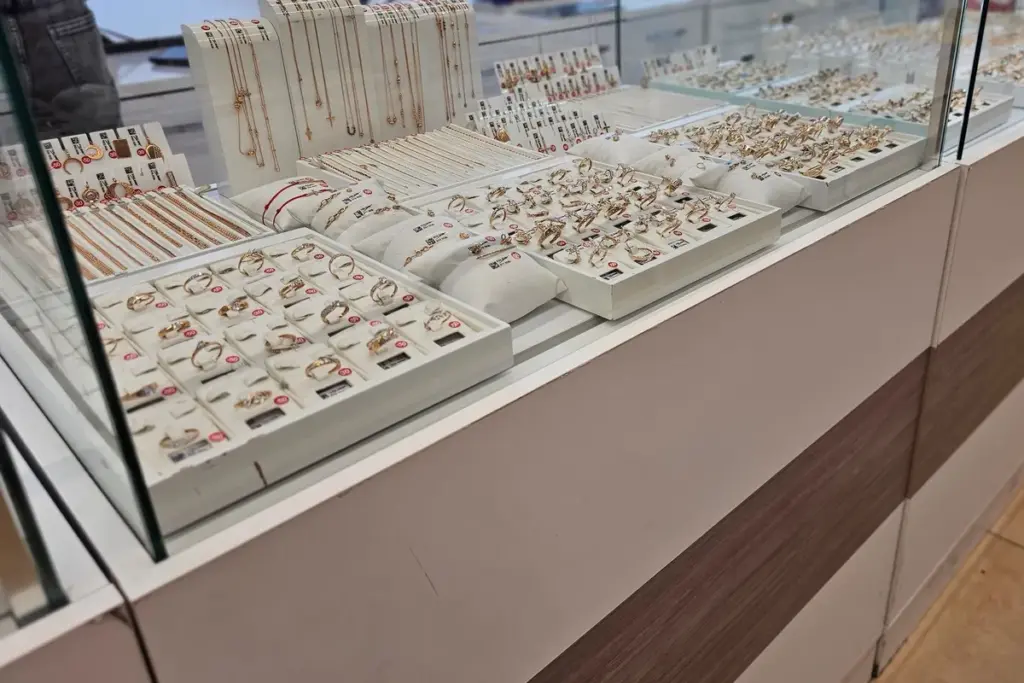
If you’ve been paying any attention to financial news lately, you already know that tracking the gold price today NYC residents are seeing has become something of a daily ritual for a lot of people. And honestly, that makes sense. Precious metal values have been moving in ways that are hard to ignore, and for anyone with gold jewelry collecting dust at home, that movement translates directly into real money on the table. The question isn’t just what the market is doing. It’s what you’re going to do about it.
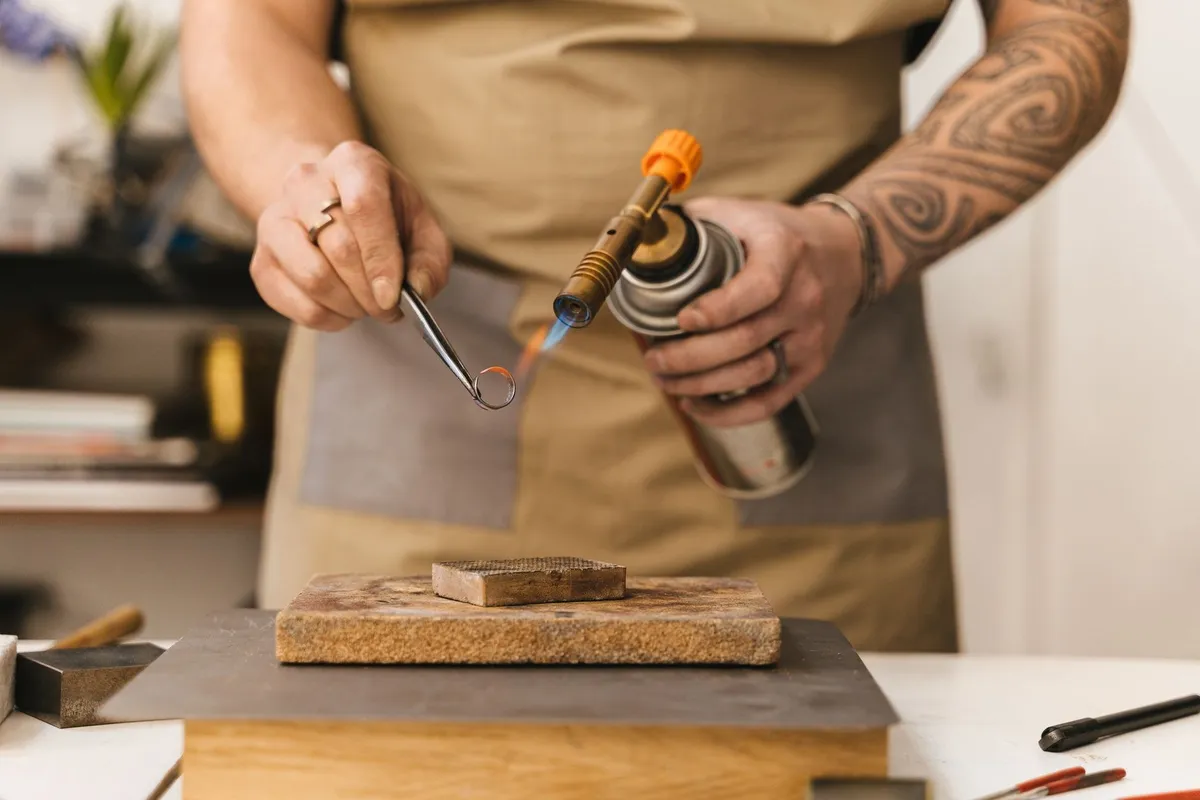
Why the Number You See Online Isn’t the Number You’ll Get
This is where a lot of first-time sellers get tripped up. The spot rate, the figure quoted on financial sites and commodity trackers, represents the value of pure, refined gold traded in bulk on global exchanges. Your 14-karat bracelet isn’t that. Neither is your grandmother’s 18-karat ring, no matter how beautiful it is.
What you actually own is an alloy. Gold jewelry is mixed with other metals to give it durability and color. That means a 14-karat piece contains roughly 58% pure gold, while 18-karat contains about 75%. When a reputable buyer evaluates your piece, they’re calculating the pure metal content within it, then applying the current market rate to that figure, minus a reasonable margin for their operating costs.
That margin matters. A buyer offering you a fraction of what the math should produce isn’t being competitive, they’re being predatory. Knowing the difference is the first step toward walking away with what your jewelry is actually worth. If you’re new to this process, reading up on essential tips for first-time sellers in NYC before you walk into any appointment is time well spent.
Does the spot rate change every day?
Yes, it moves constantly, sometimes multiple times within a single trading session. Precious metal values respond to currency shifts, geopolitical events, inflation data, and investor sentiment. Over the past several years, the general direction has been upward, with periodic pullbacks. No one can predict short-term swings with certainty, but the broader trend has rewarded sellers who paid attention.
Should I wait for a higher market before selling?
Waiting is a legitimate strategy, but it carries real risk. Markets that climb can also correct. Most experienced buyers will tell you the same thing: if the current rate works for your financial situation, selling now is often smarter than speculating on where values might go. Timing the market perfectly is something even professional traders rarely manage.
What Makes NYC Different From Everywhere Else
Selling precious metals in New York City isn’t the same experience as selling in a suburban pawn shop or mailing your jewelry to an anonymous online buyer. The city has a dense, competitive network of buyers, which, when you find the right one, works entirely in your favor.
Competition keeps offers honest. A buyer in a market with few alternatives can lowball without consequence. In NYC, a seller who feels undervalued can walk two blocks and get a second opinion. That dynamic forces serious buyers to sharpen their offers. It also means the difference between a mediocre buyer and a great one becomes very apparent, very quickly.
The Precious Metals Group has operated in this market long enough to understand what sellers actually need: a transparent process, a fair assessment, and an offer that reflects current conditions, not an arbitrary figure designed to maximize the buyer’s margin. Sellers who’ve worked with the team consistently describe leaving with more than they expected, which is exactly how it should work when the market is strong.
Is it better to sell locally or use an online gold buyer?
Local is almost always better, for one simple reason: you can negotiate in person, ask questions, and walk away if the offer doesn’t feel right. Online services require you to ship your jewelry before you see a final number, which puts all the leverage on their side. If you’re in NYC, there’s no good reason to mail your valuables to a stranger.
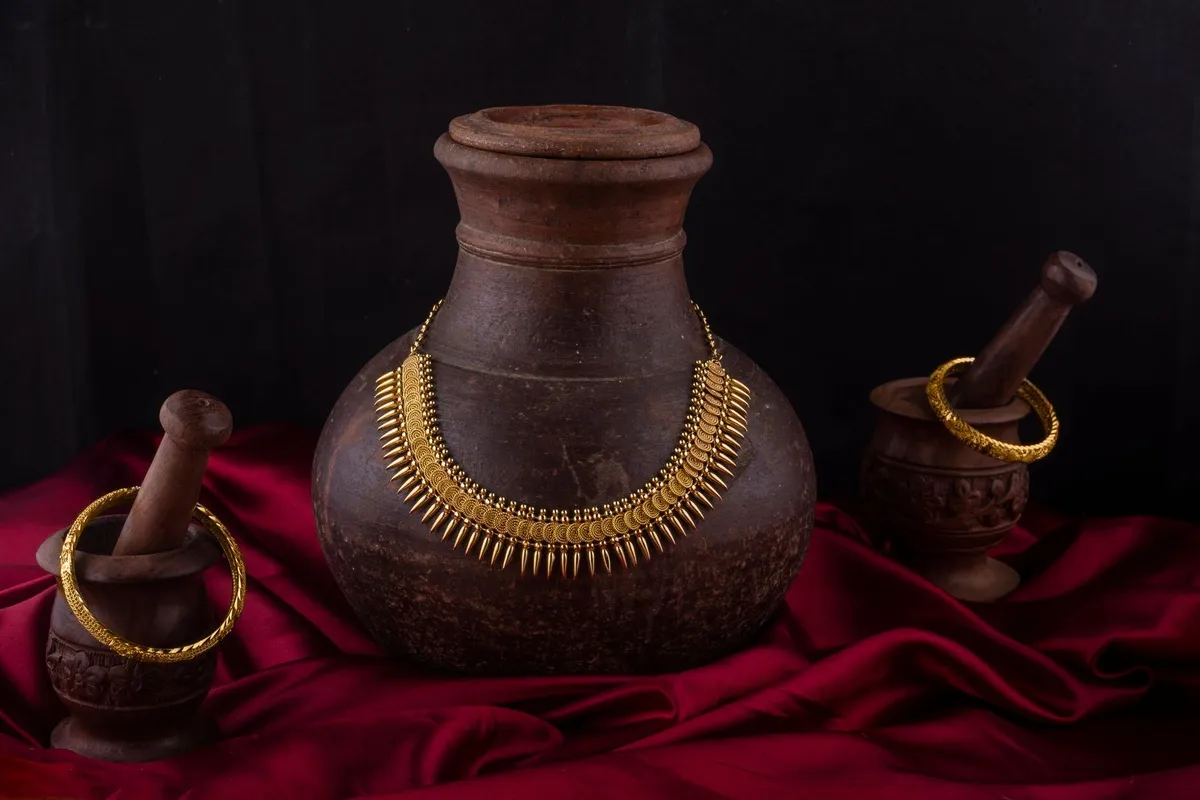
The Pieces People Overlook, and Why That’s a Mistake
Most people think about necklaces and rings when they consider selling gold. What they don’t think about: broken chains, single earrings, mismatched sets, old dental gold, and jewelry they’d describe as “too damaged to be worth anything.” All of that is still gold. A buyer who knows what they’re doing doesn’t care about the condition of the piece, they care about the metal content.
Estate pieces deserve a separate mention. Older jewelry sometimes carries value beyond just the metal, craftsmanship, maker’s marks, historical significance. If you have pieces that might fall into that category, it’s worth getting an assessment from someone who can recognize that added value rather than simply melting everything down to its base components. Our guide on how to sell estate jewelry in NYC for maximum value walks through exactly how that evaluation process works.
What condition does my gold need to be in before selling?
It doesn’t need to be in any particular condition, broken, tarnished, or incomplete pieces are all evaluated on metal content alone. Don’t spend money on repairs or cleaning before selling; it rarely increases the offer and sometimes isn’t recoverable in the final price.
Reading the Market Without Getting Lost in the Noise
Financial media loves to dramatize precious metal movements. A single day’s dip becomes a crisis; a single day’s climb becomes a gold rush. Neither framing is particularly useful for someone trying to make a practical decision about selling jewelry they no longer wear.
A more useful approach: look at where values have been over the past year or two, not just the past week. If current levels are elevated compared to where they sat eighteen months ago, that’s meaningful context. If they’ve pulled back slightly from a recent peak but remain historically strong, that’s also useful information.
What you’re really trying to answer is simple: is this a reasonable time to convert something I’m not using into cash I can actually put to work? For most people holding gold jewelry right now, the honest answer is yes.
If you’re ready to find out what your pieces are worth, reach out to schedule an appointment and get a straightforward assessment from a buyer who will give you a real number, not a lowball offer dressed up with complicated explanations.
Frequently Asked Questions
If my gold jewelry is 14-karat, how do I figure out how much pure gold I’m actually selling?
A 14-karat piece contains roughly 58% pure gold, the rest is other metals mixed in to add durability and color. When a buyer evaluates it, they calculate that pure metal content first, then apply the current market rate to that figure, minus their operating margin. That math is what determines your offer, not the weight of the whole piece.
I have a broken chain and a single earring with no match, is it even worth bringing those in?
Yes, because a serious buyer is only looking at the metal content, not whether the piece is intact or wearable. Condition, damage, and missing parts don’t change how much gold is actually in the metal. Don’t spend money fixing or cleaning anything before you come in, it rarely adds to the final offer.
Why does the number I see on financial websites not match what buyers are actually offering?
The figure quoted online is the spot rate, the price for pure, refined gold traded in bulk on global exchanges, which your jewelry isn’t. Your piece is an alloy, so buyers calculate the pure gold fraction within it and subtract a reasonable margin for their operating costs. A buyer offering significantly less than that math produces isn’t being competitive, they’re taking advantage of sellers who don’t know the difference.
Should I hold onto my pieces and wait to see if the market climbs higher before selling?
Waiting is a real option, but it carries genuine risk, markets that climb can also correct, and timing them precisely is something even professional traders rarely pull off. The more practical question is whether the current rate works for your financial situation right now. If values are already elevated compared to where they sat a year or two ago, that’s meaningful context worth weighing against the uncertainty of waiting.
How do I know if an older piece I have might be worth more than just the metal content?
Estate jewelry sometimes carries value beyond the gold itself, things like maker’s marks, historical significance, or notable craftsmanship can add to what a piece is worth. The key is getting an assessment from someone who can actually recognize those factors, rather than a buyer who will simply evaluate everything as scrap metal. If you’re unsure, it’s worth asking specifically whether the piece has any collectible or estate value before agreeing to any offer.
Get Directions to The Precious Metals Group
🎧 Listen to this as a podcast
Also on Apple Podcasts, Spotify, and Amazon Music.