
Curious About Your Silver Jewelry’s Worth? Insights on Silver Price Today
Unlock the secrets of silver price today in NYC and discover how it affects your jewelry's value.
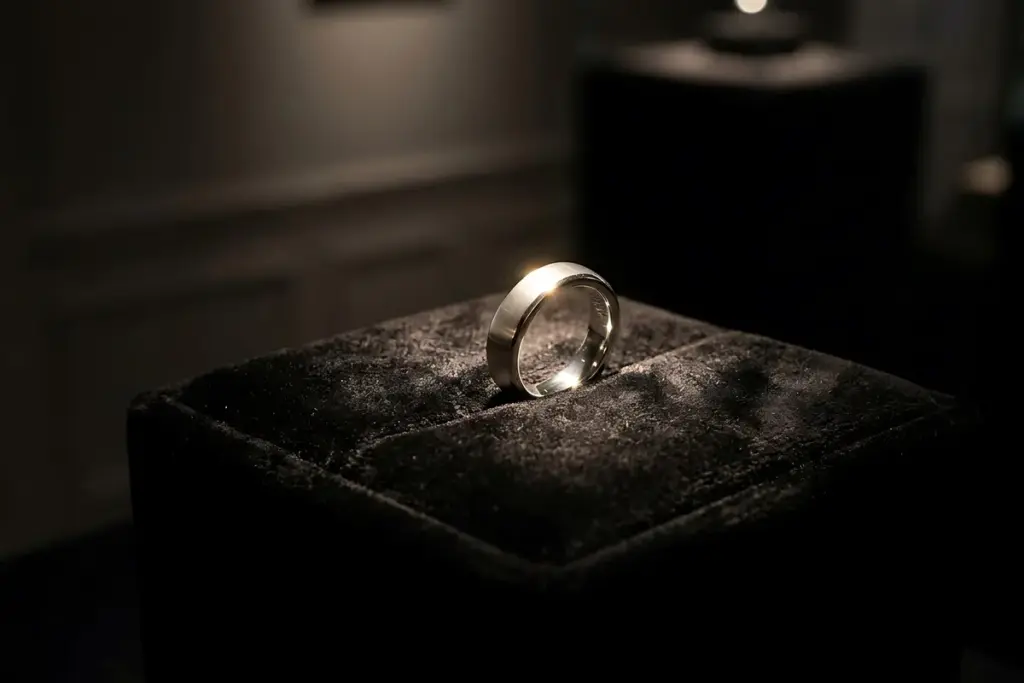
If you’ve been watching the markets lately and wondering what your old silver flatware, jewelry, or coins might fetch, you’re not alone. The silver price today NYC residents are tracking has been on a notably interesting run, moving in ranges that make many people reconsider whether that box of inherited silverware sitting in a closet is worth more than they thought. The short answer? It very well might be. But knowing the spot price is only half the story.
Why the Number You See Online Isn’t the Number You Get
This is where a lot of people get tripped up. They check a financial website, see the current per-troy-ounce rate for silver, and walk into a buyer expecting a check that matches. It doesn’t work that way, and understanding why can save you a lot of frustration.
The market rate, often called the spot price, is a wholesale benchmark used by commodity traders. It reflects pure, refined silver traded in massive quantities. What you have at home is almost certainly not that. Your sterling flatware is 92.5% silver. Your grandmother’s tea set might be silver-plated over base metal. Your old coins could be 90% silver or, depending on the year, none at all.
Beyond purity, buyers factor in weight, condition, and their own operating costs before making an offer. A reputable buyer will walk you through the math transparently. If someone won’t explain how they arrived at a number, that’s a signal worth paying attention to. You can read more about how to sell silver in NYC and what the process actually looks like before you walk in the door.
What Actually Moves the Value of Your Silver Pieces
Does the form of silver matter, jewelry versus flatware versus coins?
Yes, absolutely, the form matters more than most people expect. Coins, especially pre-1965 U.S. dimes, quarters, and half-dollars, have a well-established silver content that makes them straightforward to evaluate. Sterling jewelry and flatware are similarly predictable. Silver-plated items, on the other hand, contain so little actual silver that they’re often worth very little from a metal standpoint, regardless of where the market sits.
How do buyers determine the weight of silver in mixed pieces?
Professional buyers use calibrated scales and test the metal’s purity before making any offer. For sterling pieces, the .925 hallmark does most of the work. For unmarked or questionable items, acid testing or electronic testing equipment gives a reliable reading. The process is quick and, at a trustworthy shop, done right in front of you.
Does the brand or designer name on silver jewelry add value?
Sometimes, but not always in the way sellers hope. A well-known designer name can add collectible or resale value beyond the raw metal content, think Tiffany sterling or Georg Jensen pieces. Generic sterling, even in excellent condition, will typically be valued primarily on its metal content. If you suspect you have something with collector appeal, it’s worth getting a second opinion before selling strictly for melt value.
Is there a better time of year to sell silver?
Precious metal values fluctuate based on broader economic forces, inflation expectations, currency movements, industrial demand, rather than seasons. That said, periods of economic uncertainty have historically pushed silver values upward as investors look for tangible assets. Watching the general direction of the market over a few weeks, rather than obsessing over daily swings, gives you a clearer picture of whether you’re selling at a relative high or low.
The NYC Factor, Why Selling Here Is Different
New York has one of the most competitive precious metals markets anywhere. That’s genuinely good news for sellers. More buyers competing for inventory means tighter margins and better offers than you’d typically find in smaller markets. The density of experienced dealers also means more specialized knowledge, someone who can recognize a rare piece of coin silver or identify a hallmark from a small regional silversmith, rather than just defaulting to melt value on everything.
The Precious Metals Group has been working with New York sellers for years, building a reputation on straightforward evaluations and fair offers. Customers who’ve worked with the team consistently describe the experience as transparent, no pressure, no confusing jargon, just a clear explanation of what they have and what it’s worth. That kind of clarity matters when you’re making a financial decision.
It’s also worth knowing that silver doesn’t exist in a vacuum. If you’re holding a mix of metals, silver flatware alongside gold jewelry or a platinum ring, understanding how each is valued separately helps you approach the conversation with confidence. The dynamics around fluctuations in jewelry value amid precious metal price trends apply across the board, and knowing the basics puts you in a much stronger position.
Getting Ready Before You Walk In
A little preparation goes a long way. Sort your silver by type, coins separate from flatware, flatware separate from jewelry. Look for hallmarks: .925 or “Sterling” on jewelry and flatware, dates on coins. Weigh what you have if you own a kitchen scale, even a rough figure helps you follow along when a buyer explains their offer.
Don’t clean your pieces aggressively before bringing them in. Polishing can actually remove fine detail on coins that might have numismatic value, and heavy cleaning rarely improves a buyer’s assessment of raw metal content. Bring what you have as-is and let a professional evaluate it properly.
Most importantly, don’t feel rushed. A good buyer will give you time to ask questions and think through the offer. If you feel pressured to decide on the spot, take your items and walk out. The metal will still be there tomorrow, and so will a better buyer.
Ready to find out what your silver is actually worth? Reach out to The Precious Metals Group and schedule a no-obligation evaluation with a team that knows the difference between a fair offer and a lowball one.
Frequently Asked Questions
How do I know if my old flatware is real sterling or just silver-plated before I bring it in?
Look for a hallmark stamped on the back of each piece, sterling silver will say “.925” or “Sterling,” while plated pieces often say “EPNS,” “Silver Plate,” or simply have no silver marking at all. If you can’t find any marking, bring it in anyway, since a professional buyer can test it on the spot with acid or electronic equipment. Silver-plated pieces contain very little actual silver regardless of where the market sits, so it’s worth knowing before you have expectations built around the current per-ounce rate.
My pre-1965 coins look worn, does their condition affect what I’ll get for them?
For coins being sold strictly for their silver content, wear matters less than it would if the coins had collector value, since the metal is still there regardless of surface condition. Pre-1965 U.S. dimes, quarters, and half-dollars have a well-established silver content that makes them straightforward to evaluate on weight and purity alone. Where condition becomes critical is if a coin might have numismatic value, aggressive cleaning or heavy wear can destroy that premium entirely, which is why the article specifically warns against polishing before you bring pieces in.
If I have a mix of silver, gold, and platinum pieces, do I need separate appointments to get them all evaluated?
No, a buyer experienced with precious metals can evaluate different metal types in the same visit, since each is weighed and tested individually anyway. The key is understanding that each metal is valued separately, so a gold ring and a silver bracelet won’t be lumped together into one confusing number. Going in with pieces sorted by type, as the article suggests, makes the whole process move faster and easier to follow.
What should I actually say when a buyer gives me a number that seems low compared to what I saw online?
Ask them to walk you through the math, a reputable buyer will explain exactly how they got from the current market rate to their offer, accounting for purity, weight, and their operating costs. The article is direct on this point: if someone won’t explain how they arrived at a number, that’s a warning sign worth taking seriously. You’re also under no obligation to accept on the spot, take your items and get another offer if something doesn’t add up.
Does a Tiffany or Georg Jensen mark on sterling actually change what a buyer will pay, or is it still just melt value?
It can change the offer, but only if the buyer recognizes and accounts for the collectible or resale value beyond the raw metal, not all buyers will. Generic sterling in excellent condition will typically be priced on metal content alone, while a recognized designer name can carry a premium if there’s a secondary market for it. If you think you have something with that kind of appeal, the article recommends getting a second opinion before agreeing to sell it strictly for melt.
Get Directions to The Precious Metals Group
🎧 Listen to this as a podcast
Also on Apple Podcasts, Spotify, and Amazon Music.