
Curious About How to Sell Luxury Watches for the Best Price?
If you're ready to sell luxury watches, discover how to get the best price in NYC.
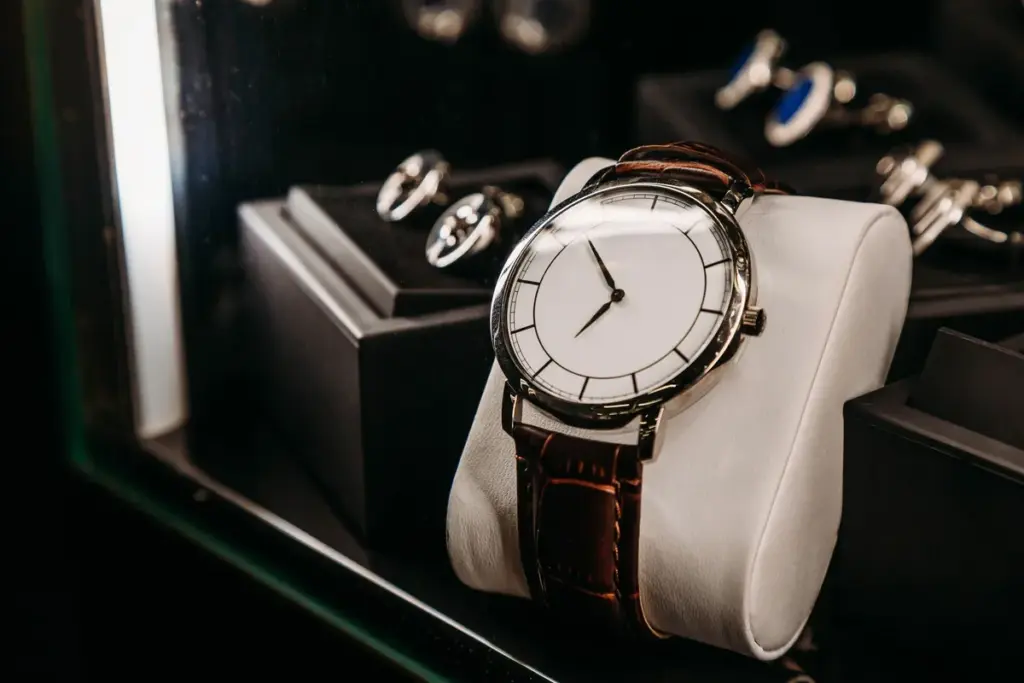
If you’ve been thinking about how to sell luxury watches NYC buyers will actually pay top dollar for, the process matters just as much as the piece itself. A Rolex sitting in a drawer isn’t building wealth, but handled correctly, that same watch can put serious money in your pocket within the same afternoon. The difference between a great outcome and a disappointing one usually comes down to preparation, timing, and knowing who you’re dealing with.
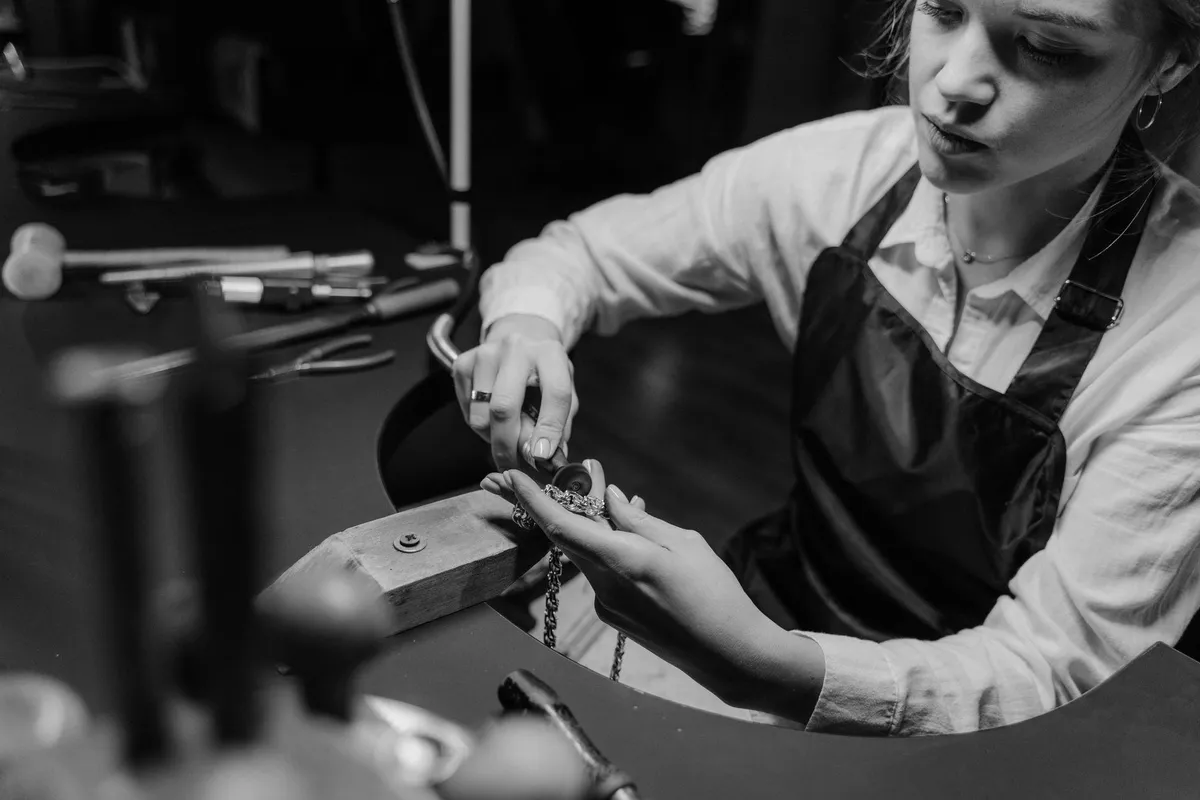
What Most People Get Wrong Before They Even Walk In the Door
The biggest mistake isn’t accepting a low offer, it’s showing up unprepared. Buyers who walk in without documentation, original packaging, or any sense of their watch’s current market position almost always leave money on the table. That’s not a knock on anyone; it’s just how the process works when you don’t know what drives value.
A few things that genuinely move the needle on your offer:
- Original box and papers: These aren’t just nice to have. For certain Swiss brands, having the original certificate and box can add a meaningful percentage to your final offer. Don’t assume they don’t matter because the watch itself is in great shape.
- Service records: A watch that’s been properly maintained tells a buyer it won’t need immediate work. That peace of mind translates to a better number for you.
- Knowing the reference category: You don’t need to memorize technical specs, but understanding whether your piece is a sport model, a dress watch, or a limited production run helps you speak the same language as a serious buyer.
Many people who’ve gone through this process with an experienced local buyer later say the same thing: they wish they’d gathered their paperwork first instead of treating it as an afterthought.
The Market Is Moving, and That Actually Works in Your Favor Right Now
Pre-owned luxury timepieces have held remarkably strong demand over the past several years. Certain sport and tool watches from top Swiss houses have traded at or above retail for extended stretches, something that was almost unheard of a decade ago. While that froth has cooled slightly in some segments, demand from serious collectors and resellers remains active, especially in a market like New York where buyers are plentiful and competition keeps offers honest.
If you want a deeper look at how seasonal demand and broader market shifts affect what buyers will pay, this breakdown of the hidden summer market for luxury timepieces is worth reading before you decide when to make your move.
Timing your sale isn’t about gaming the market perfectly. It’s about not selling during a soft period when you don’t have to. If you’re not in a rush, paying attention to broader collector sentiment can make a real difference.
Does the brand of my watch actually change what I’ll be offered?
Yes, significantly, certain Swiss and German brands command far stronger resale demand than others, and buyers price that demand into their offers immediately. A well-known sport chronograph from a top-tier house will draw a different conversation than a lesser-known fashion brand, even if the latter retailed for a similar price new.
Will a watch in poor condition still get a decent offer?
It depends on the brand and the nature of the wear, a scratched case on a highly sought-after reference still has real value, while the same condition on a mid-tier piece may significantly reduce what a buyer will pay. Polishing a watch before selling it, by the way, is often counterproductive; collectors frequently prefer original surface wear over a refinished case.
Should I get multiple offers before deciding?
Getting more than one opinion is always reasonable, especially for higher-value pieces, a reputable buyer won’t pressure you to decide on the spot, and if someone does, that’s a red flag worth paying attention to. The goal is a fair transaction, not a fast one.
Does it matter where in NYC I sell my watch?
It matters more than most people expect, a buyer who specializes in luxury timepieces will assess your piece differently than a pawn shop or a general reseller who handles everything from electronics to gold chains. Specialization drives better offers because the buyer already has a market for what you’re bringing in.
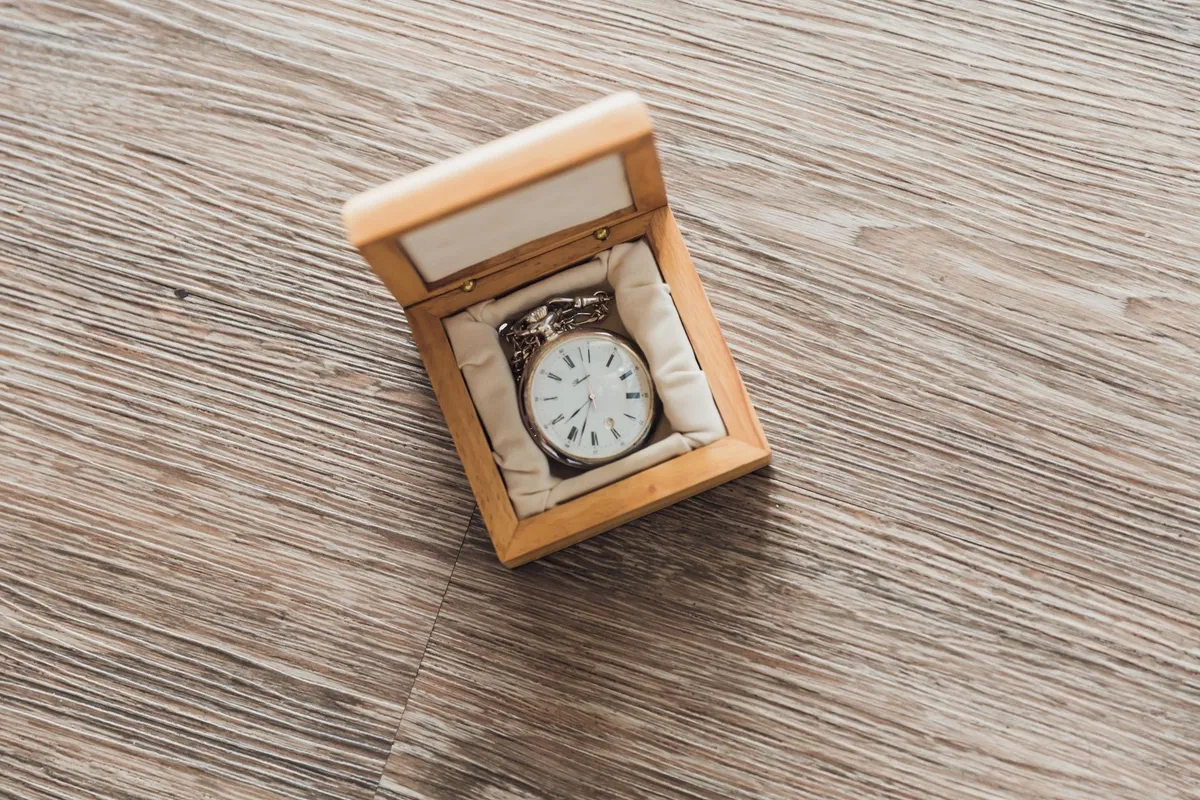
What a Reputable Buyer Actually Looks At
When you bring a timepiece to a serious buyer, they’re running through a mental checklist that goes well beyond “does it look nice.” Movement condition, dial originality, case thickness from polishing history, crown and pusher integrity, these details shape the offer. A buyer who doesn’t ask about any of this is either not very experienced or not very interested in giving you a fair price.
The Precious Metals Group has worked with New York sellers across a wide range of luxury brands and price points. The feedback from clients who’ve come through the door consistently reflects the same experience: a straightforward assessment, a clear explanation of the offer, and no pressure to accept on the spot. That kind of transparency is what a professional transaction should look like.
If your watch has a case crafted in gold or platinum, those materials add another layer of intrinsic value on top of the collector premium. You can explore more about selling watches in NYC and what the full evaluation process looks like before you make an appointment.
One Thing That Separates a Good Sale From a Great One
Confidence. Not arrogance, confidence. Sellers who walk in knowing roughly what their piece is worth, who have their documentation in order, and who understand that they’re allowed to ask questions and take their time consistently walk away happier with the outcome. The market for fine timepieces rewards people who treat the transaction like a negotiation between informed adults, not a favor being done for them.
Do your homework. Gather your paperwork. Choose a buyer with a genuine track record in this category. Those three steps alone put you ahead of most people who come in hoping for the best without preparing for it.
Frequently Asked Questions
Does having the original box and papers really make a noticeable difference in what I’ll be offered in NYC?
Yes, and for certain Swiss brands the difference isn’t marginal, it can add a meaningful percentage to your final offer, not just a token bump. Buyers factor in box and papers because they reduce friction when the piece moves further down the resale chain, which makes your watch easier to price aggressively from the start. If you’ve held onto that paperwork, bring it; don’t assume a watch in great shape makes documentation irrelevant.
Should I polish my watch before bringing it in to make a better impression?
No, the article is direct on this point, and it’s one of the more counterintuitive things sellers learn too late. Collectors frequently prefer original surface wear over a refinished case, so polishing before a sale can actually work against you by removing something buyers value. Leave the case as-is and let the buyer assess it in its honest condition.
Is there a better time of year to bring a timepiece in, or does timing not really matter?
Timing does matter, though the goal isn’t to game the market perfectly, it’s to avoid selling during a known soft period when you don’t have to. The article points to broader collector sentiment and seasonal demand as factors worth paying attention to before you decide when to make your move. If you’re not under financial pressure, doing a little homework on current market conditions first is worth the extra few days.
What’s the difference between going to a specialist buyer versus a pawn shop or general reseller in the city?
A specialist buyer already has an active market for what you’re bringing in, which directly affects the number they’re willing to put on the table. A general reseller handling everything from electronics to gold chains doesn’t have that same outlet, so they price in more risk, and that risk comes out of your offer. Specialization isn’t just a credential; it’s a practical reason the offers tend to run higher.
If a buyer pressures me to decide on the spot, should I be concerned?
Yes, the article flags that directly as a red flag worth paying attention to. A reputable buyer won’t push you to accept immediately, especially on a higher-value piece where getting a second opinion is completely reasonable. The goal of a legitimate transaction is a fair outcome, not a fast one, and any buyer worth dealing with understands that.
Get Directions to The Precious Metals Group
🎧 Listen to this as a podcast
Also on Apple Podcasts, Spotify, and Amazon Music.