
What Makes the Latest Audemars Piguet Models So Desirable?
Explore the allure of new Audemars Piguet models and what they mean for collectors and sellers alike.
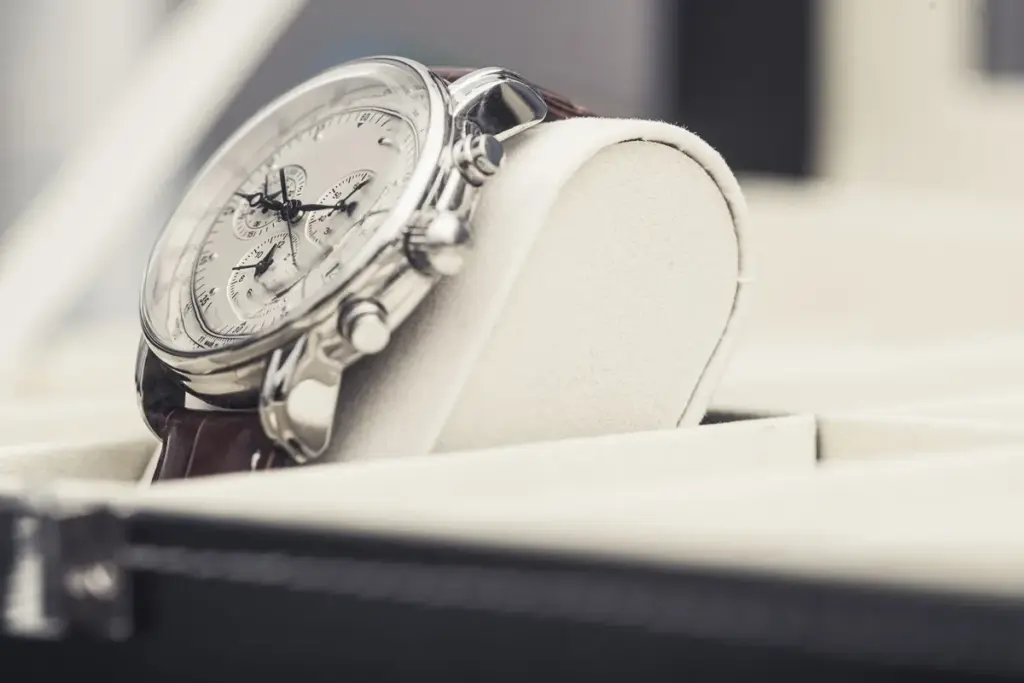
There is something almost magnetic about the way collectors and enthusiasts react whenever Audemars Piguet releases something new. The buzz around new Audemars Piguet models NYC watch circles generate every season is real, and it is not just hype from boutique salespeople. These timepieces carry a reputation built over more than a century, and the latest releases continue to push that legacy forward in ways that matter to serious collectors, and to anyone thinking about what their existing AP might actually be worth right now.
Why Collectors Keep Chasing the Latest from AP
Audemars Piguet occupies a rare space in the luxury watch market. Unlike brands that rely heavily on precious metal weight or diamond counts to justify price tags, AP earns its position through movement engineering and design language. The Royal Oak silhouette, for example, has been influential for decades, and the brand keeps finding ways to reinterpret it without losing what made it iconic in the first place.
The newest releases from the house tend to focus on refinements rather than reinventions. Thinner profiles, new case materials, updated dial textures, and caliber improvements are the kinds of changes that matter to people who actually wear and collect these watches. These are not cosmetic updates for marketing purposes, they reflect genuine craft decisions that affect how a watch performs and how it ages over time.
That commitment to incremental excellence is exactly what keeps resale values strong. When a brand consistently delivers quality across generations of releases, older references hold their value better because buyers trust the lineage.
Are new AP releases actually worth more on the secondary market?
Yes, in many cases they are, but the relationship between retail price and resale value is more complicated than most people assume. Certain references from this brand have historically traded above retail on the secondary market, driven by limited availability and intense collector demand. That said, not every release performs equally. The models that tend to hold or exceed value are those tied to the brand’s most recognized design families, produced in limited quantities, or featuring complications that enthusiasts genuinely prize.
If you already own an AP and are curious what it might fetch today, the answer depends heavily on reference, condition, box and papers, and current market appetite. A watch that seemed unremarkable a few years ago can become surprisingly sought-after as trends shift.
How does the NYC market affect AP watch values?
New York is one of the most active secondary markets for luxury timepieces anywhere in the world. The density of collectors, dealers, and serious buyers here means pricing tends to reflect real market conditions rather than wishful thinking. That cuts both ways, you are unlikely to get lowballed by someone who does not know what they are looking at, but you also will not find buyers who overpay out of ignorance.
People who have worked with The Precious Metals Group in NYC often mention being surprised by how straightforward the process was, no pressure, no runaround, just a clear offer based on what the watch is actually worth. That kind of transparency is harder to find than it should be in this city.
What Separates a Strong Resale from a Disappointing One
Condition is everything, but it is not the only thing. An AP in pristine condition with no box or papers will still command less than the same watch with complete documentation. Original bracelets matter. Service history matters. Even the way a watch has been stored can affect how the case and crystal present under close inspection.
Beyond the physical condition, timing plays a role. The luxury watch market moves in cycles, and certain references spike in demand when a new version is released, sometimes because collectors want the older version, sometimes because the new release draws attention to the entire family of watches. Paying attention to what AP is releasing now can actually tell you something useful about when to sell what you already own.
If you are thinking about selling, it is worth reading up on how to sell watches in NYC before you walk into any buyer’s office. Knowing what to expect makes the conversation much more productive.
Does having the original box and papers really make that much difference?
It absolutely does, especially for a brand like Audemars Piguet where authentication matters deeply to buyers. Complete sets, watch, box, papers, and any supplementary items, can command meaningfully higher offers than watches sold without documentation. For high-value references, the difference is not trivial. Some buyers will not even make a serious offer on an undocumented piece, which limits your options and your leverage.
The Bigger Picture for AP Owners Right Now
The luxury watch market has gone through significant shifts over the past few years. Prices that seemed stratospheric during peak demand have moderated for some references, while others have remained remarkably stable. For AP owners, the current environment is still favorable, the brand’s prestige has not diminished, and collector interest remains strong globally.
What has changed is that buyers are more selective. The days of any luxury watch selling quickly at any price are behind us for now. That means presentation, documentation, and choosing the right buyer matter more than they did during the frenzy years.
The same principle applies if you own other high-end timepieces alongside your AP. Rolex collectors, for instance, face a similar dynamic, you can get a sense of how that market is moving by looking at the latest trends around new Rolex releaseswhich often signal broader shifts in the prestige watch segment.
Is right now a good time to sell an Audemars Piguet watch in NYC?
For most references in good condition, yes, demand from serious collectors and dealers remains solid, and NYC buyers are actively looking for quality pieces. The key is working with someone who actually understands the brand and can value it properly, rather than a generalist who treats every luxury watch the same way. Getting an honest, informed appraisal costs you nothing and tells you exactly where you stand before you commit to anything.
If you are ready to find out what your timepiece is worth, reach out to The Precious Metals Group for a straightforward evaluation with no obligation attached.
Frequently Asked Questions
If I own an older AP Royal Oak, does a new release from the brand actually help or hurt what my watch is worth?
It can genuinely help, and the article explains why, when Audemars Piguet releases an updated version of a recognized design family, it often draws fresh attention to the entire lineage, which can spike demand for older references. Some collectors specifically want the previous version once a newer one drops, which pushes prices up rather than down. Paying attention to what AP is putting out right now can actually help you time a sale more strategically.
How much does missing the box and papers actually cost me when selling an AP in NYC?
According to the article, the difference is not trivial, for high-value references, incomplete documentation can meaningfully reduce your offer, and some serious buyers will not make a competitive offer at all on an undocumented piece. That limits both your options and your negotiating position before the conversation even starts. If you still have the original bracelet and any supplementary items, bring those too, because they factor into the evaluation as well.
Does the NYC market pay more for luxury watches than other cities, or is that just something dealers say?
The article is specific about this: New York is one of the most active secondary markets for luxury timepieces in the world, and that density of real buyers means pricing reflects actual market conditions rather than inflated or deflated guesses. The flip side is that NYC buyers are knowledgeable, so you also will not find someone who overpays out of ignorance. What you get is an honest number grounded in what the watch is genuinely worth right now.
My AP has been serviced but I had it done at an independent watchmaker, not an authorized service center, does that hurt the resale value?
The article flags service history as something buyers look at closely, alongside condition, box, papers, and how the watch has been stored. While it does not spell out the exact price difference for independent versus authorized servicing, it is clear that documentation of care matters and that buyers who know the brand will ask about it. Being upfront about the service history when you go in for an appraisal is the straightforward move.
Is this a good moment to sell, or should I wait to see if AP prices climb back toward where they were during the peak years?
The article is direct on this: the market has moderated from its peak, but demand from serious collectors and dealers in NYC remains solid for quality pieces in good condition. What has shifted is that buyers are more selective now, so condition and documentation matter more than they did when almost anything sold quickly at almost any price. For most references in good shape, waiting for a return to peak-frenzy pricing is not a strategy the article supports.
Get Directions to The Precious Metals Group
🎧 Listen to this as a podcast
Also on Apple Podcasts, Spotify, and Amazon Music.