
What You Should Know When Planning to Sell Patek Philippe
If you're looking to sell Patek Philippe, understanding its value is crucial.
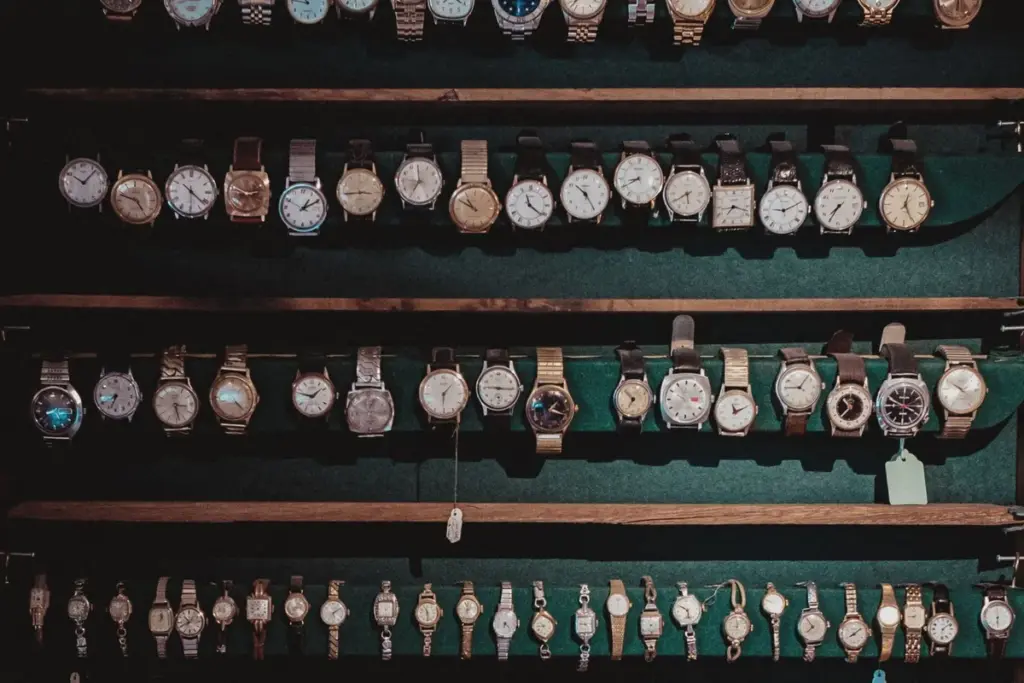
There is a moment most people experience before they decide to part with a fine timepiece, a mix of practicality and hesitation. If you are thinking about how to sell Patek Philippe in NYCthat feeling is completely normal. These watches carry serious weight, both financially and emotionally. Getting the process right matters enormously, and the difference between a good outcome and a disappointing one often comes down to preparation and knowing who you are dealing with.
Why These Watches Behave Differently Than Almost Everything Else You Could Sell
Patek Philippe occupies a category that very few watch brands ever reach. The secondary market for these timepieces is genuinely global, meaning demand does not evaporate when local trends shift. Collectors in New York, London, Hong Kong, and Geneva are all competing for the same inventory. That sustained international appetite is what keeps values strong, and in many cases, pushes them higher over time.
What makes this relevant to a seller is simple: you are not just selling a watch. You are selling access to something a serious collector genuinely wants. That changes the negotiation. A buyer who understands the market will price accordingly. One who does not, or who does not care, will offer you far less than your piece deserves.
This is why selling watches in NYC through an experienced buyer makes such a practical difference. The city has no shortage of pawn shops and general resellers, but very few operations that actually specialize in high-end timepieces and understand what moves the secondary market on any given week.
Does the condition of my watch really affect the price that much?
Yes, condition affects value significantly, but not always in the way sellers expect. A watch that has been polished repeatedly to look pristine can actually be worth less to a knowledgeable collector than one with honest wear that retains its original finishing. Collectors prize authenticity. Heavy polishing removes the crisp edges and original surface texture that serious buyers look for. If your watch has been sitting in a drawer for years, that may actually work in your favor.
What paperwork should I bring when I go to get an offer?
Bring everything you have. The original box, papers, warranty card, service records, and any receipts all contribute to value. A complete set, what collectors call a “full set”, can meaningfully increase what a buyer is willing to pay. That said, do not assume a missing box kills the deal. Many watches sell well without original packaging. The watch itself, its movement, and its overall integrity matter most.
The Mistakes That Cost Sellers Real Money
One of the most common errors is accepting the first offer without context. Sellers who walk into a single shop, get a number, and say yes on the spot often leave money on the table. Getting a second opinion costs nothing and can reveal a significant gap between what different buyers are willing to pay.
Another mistake is over-cleaning the watch before bringing it in. A gentle wipe with a soft cloth is fine. Anything beyond that, polishing, buffing, or attempting to fix minor scratches at home, risks reducing the watch’s appeal to collectors who value originality above cosmetic perfection.
Sellers also sometimes misread what drives value. A well-known complication or a particularly sought-after case style can make one example worth dramatically more than a similar-looking piece. If you are not sure what you have, ask before you accept any offer. A reputable buyer will explain their reasoning clearly.
For context on how this compares to other luxury timepieces, it is worth reading what to know before you sell Rolex watches in NYCmany of the same principles apply, and understanding the broader luxury watch market helps you walk in with realistic expectations.
Is it better to sell to a private buyer or a professional watch buyer?
Selling privately can sometimes yield a higher number on paper, but it comes with real risks, payment security, authentication disputes, and the time investment of finding a serious buyer. A professional buyer offers speed, certainty, and immediate payment. For most people who are not already embedded in the collector community, working with an established buyer is the more practical and lower-risk path.
How do I know if a buyer is actually qualified to evaluate my watch?
Ask them directly how they assess authenticity and movement condition. A qualified buyer will describe a clear process, examining the movement, checking serial numbers, assessing case wear, and referencing current market data. If someone gives you a number without opening the case or asking basic questions, that is a red flag. The Precious Metals Group has been working with clients throughout New York City for years, and the feedback from people who have gone through the process consistently points to transparency and fair dealing as what sets a good experience apart from a frustrating one.
Timing, Market Conditions, and What They Mean for You
The secondary market for fine timepieces moves in cycles. There have been periods of exceptional demand that pushed values well above what anyone anticipated, and quieter stretches where buyers became more selective. Right now, the market for established, high-quality Swiss watches remains active, though buyers are more discerning than they were during the peak frenzy of a few years ago.
What this means practically is that condition, provenance, and completeness matter more than they did when demand was outpacing supply at every price point. A well-preserved example with documentation will always find a serious buyer. A worn piece with no paperwork will still sell, just at a more modest figure.
If you are weighing whether to sell now or hold, consider your own financial situation and how attached you still are to the piece. Markets shift, but a watch sitting unused in a safe generates nothing. If the timing works for your life, it is probably the right time.
When you are ready to move forward, reaching out to get a professional evaluation is the logical first step. Come prepared, ask questions, and do not rush the process. A watch this significant deserves a buyer who treats it that way.
Frequently Asked Questions
My Patek Philippe has some scratches but has never been polished, is that actually better when I bring it in for an offer in NYC?
Yes, and this surprises a lot of sellers. Collectors specifically look for original case finishing with intact edges and surface texture, and a watch with honest wear but no polishing history is often more desirable than one that looks cosmetically perfect because someone buffed it. Leave it as-is, give it a gentle wipe with a soft cloth, and let the buyer assess it in its natural state.
I have the original box and papers for my watch, how much does that actually change the offer I can expect?
A complete set, box, papers, warranty card, service records, and any receipts, can meaningfully increase what a buyer is willing to pay, though the article is clear that a missing box does not kill the deal. The watch itself, its movement condition, and its overall integrity carry the most weight. Think of the full set as a real bonus, not a requirement.
Should I get more than one offer before deciding, or is that just a waste of time?
Getting a second opinion costs nothing and the article specifically flags accepting the first offer without context as one of the most common mistakes sellers make. There can be a significant gap between what different buyers are willing to pay, and you will not know that gap exists unless you check. It is a straightforward step that regularly makes a real difference in the final number.
How do I know whether the buyer I am sitting across from actually understands what my watch is worth?
Ask them directly how they evaluate authenticity and movement condition, a qualified buyer will walk you through a clear process that includes opening the case, checking serial numbers, assessing case wear, and referencing current market data. If someone quotes you a number without asking basic questions or examining the movement, that is a red flag worth taking seriously. The process should feel transparent, not rushed.
Is right now a good time to sell, or should I wait for the market to improve?
The article describes the current secondary market for quality Swiss watches as active but more discerning than it was during the peak demand period of a few years ago, meaning condition and documentation matter more now than they did when buyers were competing aggressively at every price point. A well-preserved example with paperwork will still find a serious buyer. If the timing fits your financial situation and the watch is sitting unused, waiting rarely produces a better outcome than acting when you are ready.
Get Directions to The Precious Metals Group
🎧 Listen to this as a podcast
Also on Apple Podcasts, Spotify, and Amazon Music.