
What Are the Latest Luxury Watch Trends in NYC?
Discover how luxury watch trends are influencing NYC's fashion scene.
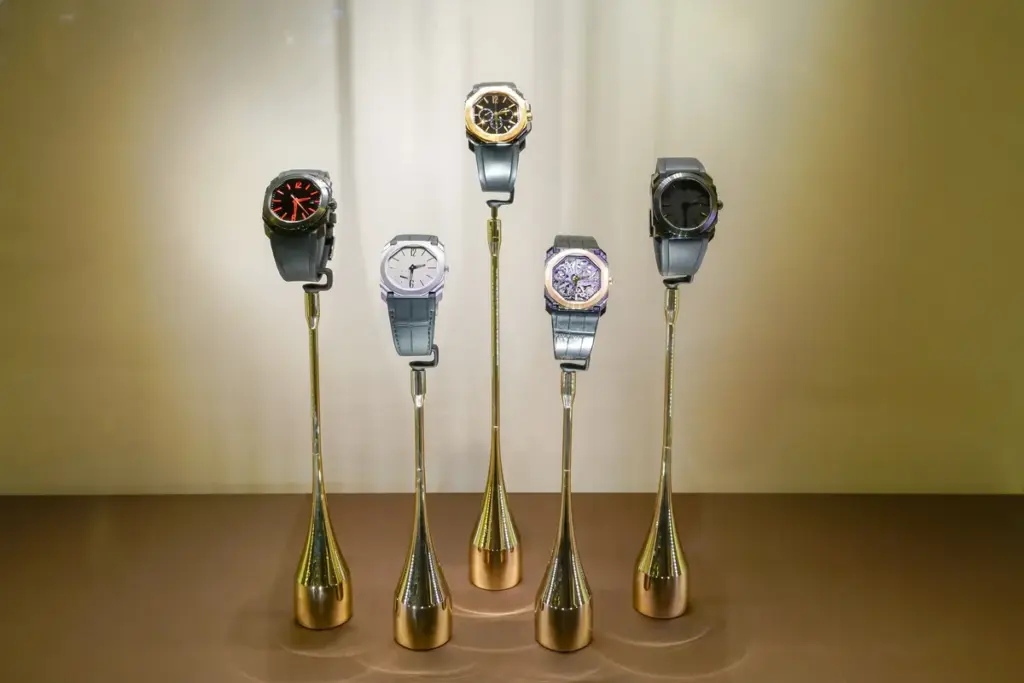
If you pay attention to what’s moving through the secondary market right now, the luxury watch trends NYC collectors are chasing tell a very clear story: demand for certain references is surging, resale values are shifting fast, and the window to get top dollar for the right piece can close without much warning. Whether you’re thinking about adding to your collection or finally cashing out on a timepiece that’s been sitting in a drawer, understanding what’s hot, and what’s cooling off, matters more than ever.
The Brands Collectors Can’t Stop Talking About
Which watch brands are holding their value best right now?
Swiss sport and dress watches from the top tier of the market continue to hold value better than almost anything else you can own. Rolex remains the benchmark, pieces with steel sport cases, ceramic bezels, and clean dials consistently attract serious buyers. If you’re curious about what’s driving that demand, the latest shifts in new Rolex models offer useful context on why certain configurations command premiums while others plateau.
Audemars Piguet is another name that keeps coming up. The octagonal case design that made the brand famous has spawned a collector obsession that shows no sign of fading. Buyers are particularly focused on pieces with integrated bracelets and dark dials. For a closer look at what’s driving that appetite, what makes the latest Audemars Piguet models so desirable breaks down the collector psychology behind the hype.
Are vintage watches still worth selling in 2024?
Yes, in many cases, a well-preserved vintage piece from a respected maker will outperform a newer watch of the same brand at resale. Collectors in New York are particularly drawn to older dress watches with manual-wind movements, original dials in untouched condition, and cases that haven’t been polished down. The patina matters. A dial that shows honest age, warm lume, slight fading, often reads as more authentic and desirable than a refinished example that looks brand new.
What the Secondary Market Is Actually Telling Us
Has the watch bubble burst, or is this just a correction?
It’s a correction, not a collapse, and that distinction matters if you’re deciding when to sell. The frenzied premiums of a few years back, when certain popular sport watches were selling for double or triple retail, have come down. But the floor for genuinely desirable pieces remains strong. What’s happened is that the market has gotten more selective. Watches with documented history, original box and papers, and clean service records are still commanding serious money. Generic pieces without provenance have softened the most.
For sellers, this means timing and presentation matter more than they used to. Walking into a buyer with a complete set, watch, box, papers, purchase receipt, puts you in a fundamentally different conversation than showing up with just the watch. If you’re ready to move a piece, working with experienced buyers who understand current secondary market conditions is essential. The team at Sell Watches NYC evaluates timepieces based on real market data, not guesswork.
Which styles are losing collector interest right now?
Oversized cases, the 44mm and 46mm sport watches that dominated shelves a decade ago, have cooled considerably. Taste has shifted back toward wearability. Watches in the 36mm to 40mm range are seeing renewed interest, particularly pieces that transition naturally from casual to formal settings. Smartwatches and hybrid designs from luxury houses have also struggled to hold resale value; the technology dates quickly, and collectors tend to prefer mechanical movements for long-term holding.
NYC Buyers Are Different, Here’s Why That Matters
Why does selling a watch in New York get you a better price than elsewhere?
The concentration of serious collectors, dealers, and estate buyers in New York creates genuine competition for desirable pieces. That competition works in the seller’s favor. A Patek Philippe dress watch or a steel sports piece from a top Swiss maker will attract more qualified interest in Manhattan than in most other American cities. Buyers here understand nuance, they know the difference between a dial that’s been touched up and one that’s original, and they price accordingly.
That depth of knowledge cuts both ways. Sellers who do their homework and come prepared tend to walk away much happier than those who don’t. People who’ve worked with established local buyers consistently mention feeling respected in the process, that their piece was evaluated seriously rather than lowballed quickly. That experience reflects what a reputable buyer should offer: transparency, expertise, and a fair read of what the market will actually bear.
Turning What You Own Into What You Want
The practical question for most people isn’t which brands are trending, it’s what to do with the watch sitting in their safe. If it’s a piece you no longer wear, the secondary market right now rewards sellers who move while demand for quality remains solid. Waiting for another peak like the one a few years ago may mean leaving money on the table as tastes continue to shift.
Before you sell, clean the bracelet, locate any original packaging, and pull together whatever documentation you have. Don’t polish the case, buyers pay more for original surfaces. And get more than one opinion if the piece is significant. A timepiece worth several thousand dollars deserves a proper evaluation, not a quick offer from someone who hasn’t looked carefully.
If you’re ready to find out what your collection is worth, reach out directly to get a no-pressure assessment from buyers who know the New York market inside and out.
Frequently Asked Questions
If I have a Rolex without the original box and papers, is it still worth bringing in to sell?
Yes, but expect the conversation to be different, sellers with a complete set are in a stronger position right now because the market has gotten more selective about provenance. A watch without box and papers isn’t unsellable, but it will likely land in a lower price range than an identical piece with full documentation. Before you come in, gather whatever you do have: a purchase receipt, service records, or even old photos of the watch can help establish its history.
I have a vintage dress watch with some dial fading, does that hurt the value or help it?
It can actually help, as long as the fading is natural and the dial hasn’t been refinished or touched up. New York collectors specifically look for original dials with honest age, warm lume, slight color shifts, because those details signal authenticity in a way a restored dial simply can’t replicate. The key word is “untouched”: a dial that shows honest wear is desirable, but one that’s been repainted or had hands swapped out is a different story.
Should I polish my watch case before bringing it in to get a better offer?
No, the article is direct on this point: buyers pay more for original surfaces, so polishing the case before a sale works against you. Polishing removes metal and erases the crisp edges and finishing details that collectors care about, which experienced buyers will notice immediately. Clean the bracelet if it’s dirty, but leave the case alone.
My watch is a 44mm sport model from a well-known brand, is now a bad time to sell it?
Oversized cases in the 44mm to 46mm range have cooled off as collector taste has shifted back toward smaller, more wearable sizes in the 36mm to 40mm range. That doesn’t mean your piece is worthless, but it does mean the pool of serious buyers is smaller than it was a decade ago when those sizes dominated. If you’re thinking about selling, moving sooner rather than waiting for a trend reversal is probably the more practical call.
Why would selling my Patek Philippe in Manhattan get me more money than selling it somewhere else in the country?
The concentration of serious collectors and estate buyers in New York creates real competition for desirable pieces, and that competition works in the seller’s favor. Buyers here also tend to understand the finer details, they can tell a touched-up dial from an original, and they price that difference accurately rather than treating every example the same. More qualified buyers competing for the same piece generally means a better outcome for the person selling.
Get Directions to The Precious Metals Group
🎧 Listen to this as a podcast
Also on Apple Podcasts, Spotify, and Amazon Music.