
What You Need to Know to Sell Diamonds in NYC
Thinking about how to sell diamonds? Discover your options in NYC.
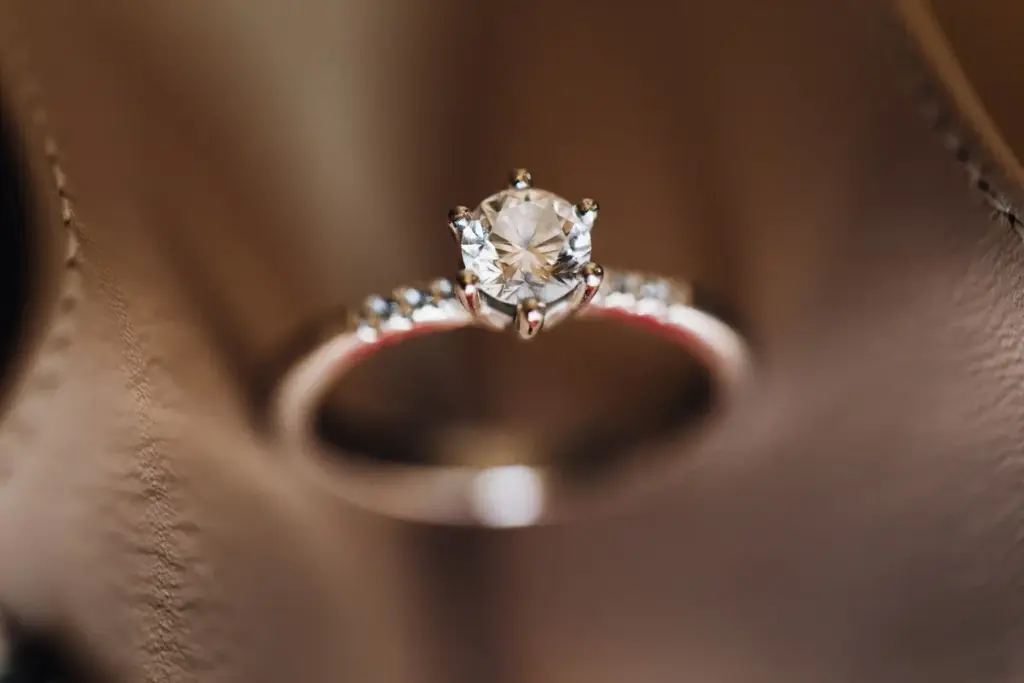
Most people who decide to sell diamonds NYC have one thing in common: they walk in underprepared and walk out wishing they had done their homework first. Whether it’s an inherited stone, a ring from a relationship that ran its course, or a piece that’s simply been sitting in a drawer for years, the process of turning a diamond into cash is more nuanced than most expect. The good news is that a little knowledge goes a long way, and that’s exactly what this guide is for.
Your Diamond’s Value and the Story Behind the Numbers
The first thing to understand is that a diamond’s retail price and its resale value are two very different things. When a stone leaves a jewelry store, it doesn’t hold that price tag forever. The resale market operates on entirely different logic, one driven by demand, current market conditions, and the specific characteristics of the stone itself.
Diamonds are graded on four key factors: cut, color, clarity, and carat weight. These aren’t just industry jargon. They directly determine what a buyer is willing to pay. A well-cut, colorless stone with minimal inclusions commands serious attention. A lower-grade stone, no matter how sentimental, is simply worth less on the open market. That’s not a judgment, it’s just how the trade works.
If you have a GIA or AGS grading certificate for your stone, hold onto it. That paperwork matters. It removes guesswork from the evaluation and gives a buyer confidence in what they’re looking at. No certificate? That doesn’t disqualify your stone, it just means the buyer will need to evaluate it independently, which is standard practice at any reputable shop.
Why the Buyer You Choose Changes Everything
Not all diamond buyers operate the same way, and this is where a lot of sellers leave money on the table. Pawn shops, online mail-in services, and inexperienced buyers often make lowball offers because they either lack the expertise to properly evaluate a stone or they’re banking on the seller not knowing any better.
Working with an experienced, specialized buyer makes a real difference. The Precious Metals Group, based in NYC, has built a reputation precisely because they bring genuine expertise to every evaluation, not a generic formula. Sellers who’ve worked with them often mention how transparent the process felt, which is exactly what you want when you’re handing over something valuable.
If you’re ready to move forward, you can learn more about the diamond selling process here before your first visit. Going in with a baseline understanding makes the conversation much more productive.
Does the setting affect what I’ll get for my diamond?
Yes, the setting can add value, but usually less than people expect. The metal surrounding a diamond, whether platinum, white gold, or yellow gold, has its own separate value based on weight and purity. A buyer will typically assess the stone and the setting independently. Don’t assume a beautiful setting dramatically increases your payout, but don’t ignore it either. If the ring is set in platinum, for example, that metal alone can be worth a meaningful amount. You can explore more about selling platinum in NYC if that’s relevant to your piece.
Should I get an appraisal before selling?
An appraisal gives you a reference point, but it’s not the same as a cash offer. Appraisals are typically written for insurance purposes and often reflect replacement retail value, which is almost always higher than what the resale market will pay. Think of an appraisal as useful context, not a floor price. What matters most is what a real buyer in the current market is willing to offer.
What if my diamond doesn’t have any documentation?
You can still sell it, documentation is helpful but not required. A qualified buyer will evaluate the stone directly using professional grading tools. The process takes a bit longer without paperwork, but it’s entirely routine. Bring whatever you have, even if it’s just an old receipt or a photograph, and let the buyer do their job.
Is there a best time of year to sell a diamond?
Demand for diamonds does shift with the seasons. Engagement season, typically late fall through early winter, tends to drive more buyer activity in the market. That said, a quality stone will attract serious interest year-round. Timing can help at the margins, but the condition and quality of the stone matter far more than the calendar.
The Mistakes That Cost Sellers the Most
Rushing is the most common mistake. People in financial pressure or emotional distress sometimes take the first offer they receive without shopping around. Getting two or three evaluations from reputable buyers costs nothing and can meaningfully change your outcome.
The second mistake is over-cleaning or attempting to repair a piece before selling. Leave the stone as-is. A professional buyer knows what they’re looking at, and amateur cleaning can sometimes damage delicate settings or obscure natural characteristics that a grader needs to see.
The third mistake is conflating emotional value with market value. A stone that belonged to your grandmother carries real personal weight, but that doesn’t translate to a higher cash offer. Accepting that reality early makes the whole process easier and helps you evaluate offers more clearly.
If you’re also dealing with other jewelry or precious metals alongside a diamond, it’s worth reading up on what to know before selling family heirloomsthe same principles around documentation, condition, and buyer selection apply across the board.
What to Expect When You Walk In
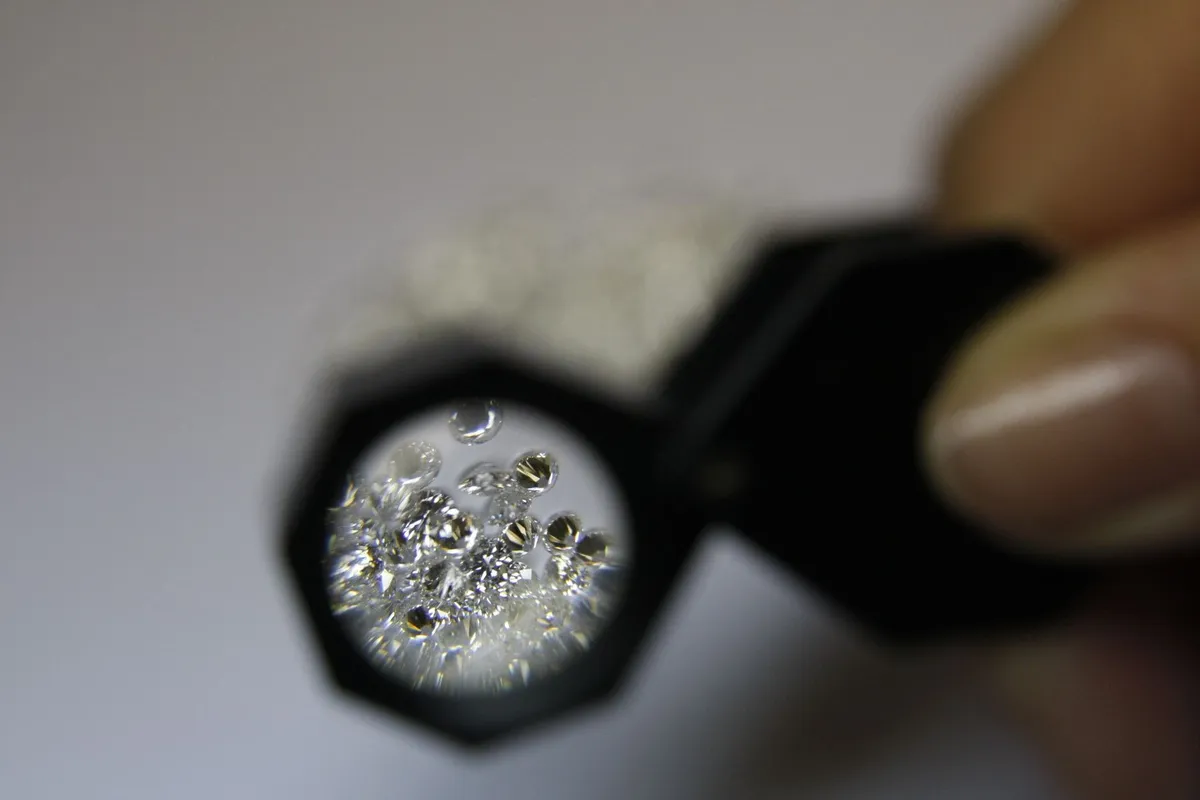
A professional evaluation is straightforward. The buyer will examine the stone under magnification, assess its characteristics, and make an offer based on current market conditions. The whole process usually takes under an hour. You’re never obligated to accept on the spot, a reputable buyer won’t pressure you.
Bring your ID, any documentation you have, and realistic expectations. If you’ve done even a basic amount of research beforehand, you’ll be in a strong position to recognize a fair offer when you see one. That’s the real advantage of walking in prepared.
When you’re ready to take the next step, reach out to schedule an evaluation and find out exactly what your stone is worth today.
Frequently Asked Questions
How long does the evaluation actually take when I bring my diamond into a NYC buyer?
A professional evaluation typically takes under an hour from start to finish, the buyer will examine the stone under magnification and assess its cut, color, clarity, and carat weight before making an offer. You’re not obligated to accept anything on the spot, so don’t feel rushed once you’re there. Bringing your ID and any paperwork you have keeps the process moving without unnecessary delays.
If I get an appraisal before coming in, will that number be close to what a buyer offers me?
Almost certainly not, and that’s worth knowing ahead of time so it doesn’t catch you off guard. Appraisals are written for insurance purposes and reflect retail replacement value, which runs significantly higher than what the resale market actually pays. Treat an appraisal as useful background context, not a number you should expect a buyer to match.
Should I clean or polish my ring before bringing it in to get a better offer?
Leave the piece exactly as it is, amateur cleaning can damage delicate settings and may actually obscure characteristics a grader needs to see clearly. A professional buyer has the tools and experience to evaluate a stone in its current condition without any prep work on your end. Attempting repairs or cleaning beforehand is one of the most common mistakes sellers make and it doesn’t improve your offer.
Does it make sense to visit more than one buyer before deciding who to go with in NYC?
Yes, and it costs you nothing to do it, getting two or three evaluations from reputable buyers is one of the most straightforward ways to protect yourself from a lowball offer. Rushing to accept the first number you hear, especially under financial pressure, is the single most common mistake that ends up costing sellers real money. A buyer who won’t give you time to think or compare is a buyer worth walking away from.
What happens to the metal setting, does it get factored into what I’m paid?
Yes, the metal is assessed separately from the stone based on its weight and purity, so a platinum setting, for example, can add a meaningful amount on its own. That said, don’t expect a beautiful or ornate setting to dramatically change your total payout, the stone itself drives most of the value in the evaluation. If your piece is set in platinum specifically, it’s worth asking the buyer to break down what they’re offering for the metal versus the diamond.
Get Directions to The Precious Metals Group
🎧 Listen to this as a podcast
Also on Apple Podcasts, Spotify, and Amazon Music.