
What Factors Influence Your Decision to Sell a Richard Mille?
Before you sell Richard Mille, understanding the key factors involved is crucial for maximizing your return.
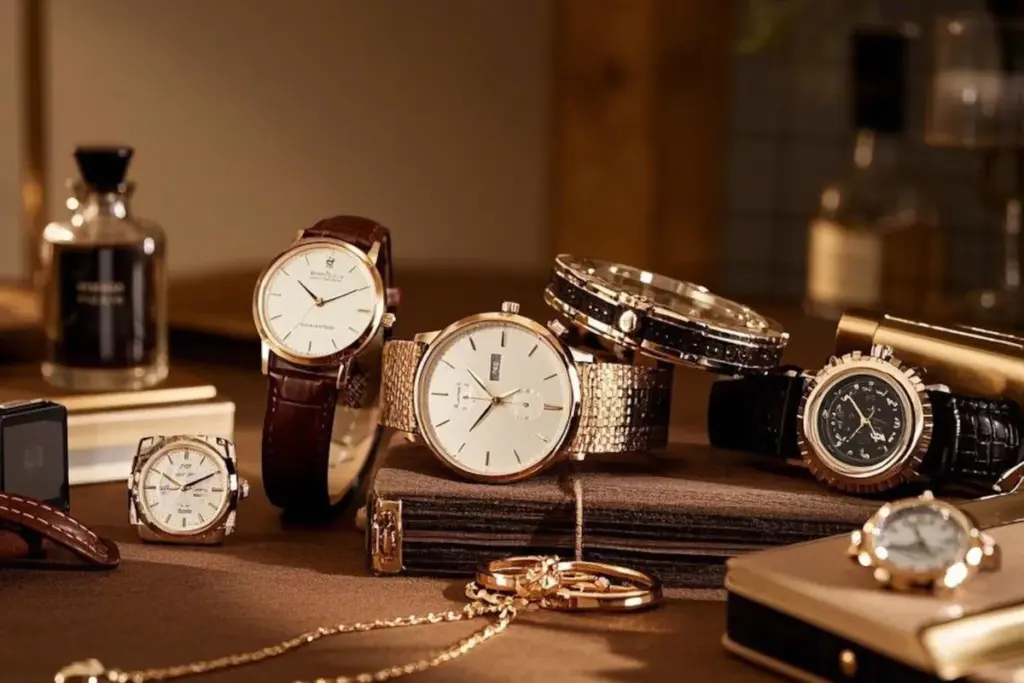
When people come to us ready to sell Richard Mille NYCthe first thing most of them say is some version of “I have no idea what this is worth right now.” That’s completely understandable. These timepieces exist in a category of their own, part engineering marvel, part status symbol, part speculative asset, and the resale market for them moves in ways that can surprise even seasoned collectors. What you paid at retail, what you saw it listed for online, and what a serious buyer will actually hand you cash for are often three very different numbers. Knowing the gap between those figures before you walk into any negotiation is the difference between a good outcome and a frustrating one.
Why the Box and Papers Conversation Matters More Than You Think
Documentation is everything with high-end timepieces, and with this brand in particular, it borders on non-negotiable for top-tier offers. A complete set, original box, certificate of authenticity, warranty card, and any service records, can meaningfully shift what a buyer is willing to pay. It signals provenance. It reduces the due diligence burden on the buyer’s side. It makes the watch easier to move downstream.
Without those materials, you’re not necessarily out of luck, but you should expect offers to reflect the added risk a buyer absorbs. If you’ve misplaced paperwork over the years, spend some time looking before you bring the piece in. Even partial documentation is better than none. A service receipt from an authorized center, for instance, tells a buyer the movement has been properly maintained, and that matters to the next owner.
If you’ve sold other luxury watches before, you already know this dynamic. If you haven’t, it’s worth reading up on how to sell watches in NYC before you set expectations around price.
The Condition Question Is More Nuanced Than a Quick Glance Suggests
Buyers in this space are not looking at your watch the way a casual observer would. They’re examining the case for polishing marks, checking whether the original brushed or satin surfaces have been altered, inspecting the crystal, and evaluating the bracelet or strap for wear. A watch that looks fine to the naked eye might show signs of amateur servicing or case buffing that a trained eye catches immediately.
This is not meant to be discouraging, it’s meant to help you walk in with realistic expectations. A piece in genuinely excellent condition, with minimal wear and no unauthorized modifications, commands a premium. A piece that’s been worn hard and polished by someone who didn’t know better will land lower, even if the movement is running perfectly.
The practical takeaway: don’t attempt to clean or polish the watch yourself before bringing it in. Leave it as-is. Buyers who know what they’re doing would rather assess original condition than try to figure out what was done to the surface after the fact.

How Market Timing Actually Affects What You’ll Be Offered
The secondary market for ultra-luxury timepieces is not static. Demand shifts based on broader economic sentiment, what’s trending among collectors, and how liquid buyers are feeling at any given moment. There have been periods where certain references from this brand commanded extraordinary premiums above retail. There have also been corrections where prices softened considerably from those peaks.
Right now, the market for high-end timepieces remains active, though it has normalized from some of the more extreme highs seen in recent years. Serious buyers are still paying strong money for the right pieces, but they’re also more selective than they were at the peak. Rarity, condition, and completeness of documentation are doing more work than they used to when the market was rising across the board.
The same general principle applies to other high-value assets. If you’re curious how timing plays into decisions around other luxury holdings, the dynamics we discuss around how to sell luxury watches for the best price apply broadly across categories.
What Makes Selling in NYC Different From Other Markets
New York has a concentration of serious buyers, dealers, collectors, and brokers, that most cities simply don’t have. That competition is actually good for sellers. When multiple knowledgeable buyers are active in the same market, offers tend to be more competitive than in cities where you might have one or two options and no real leverage.
The Precious Metals Group has been working with clients across the full range of luxury assets for years, and the team understands that a timepiece at this level deserves a buyer who actually knows what they’re looking at. Too many sellers make the mistake of going to a generalist pawn shop or an online platform where the buyer’s knowledge, and therefore their offer, doesn’t reflect the true market for the piece.
A few things clients consistently say after working with an experienced local buyer: they appreciated the transparency of the process, they felt the evaluation was thorough rather than rushed, and they left feeling like they understood exactly why they received the offer they did. That last part matters. You should never walk away from a transaction like this without a clear explanation of how the number was reached.
Does the specific model affect resale value significantly?
Yes, significantly, certain configurations within the brand’s lineup hold value far better than others, and a buyer who specializes in this category will know exactly which ones those are before you even sit down.
Should I get multiple offers before deciding?
Absolutely. Getting two or three evaluations from reputable buyers is a reasonable approach for any piece at this price point, and any legitimate buyer will tell you the same thing.
Does the material of the case affect the offer?
It does. Case materials vary across the brand’s lineup and some are considerably rarer than others, which factors directly into what the secondary market will bear.
How quickly can I expect to be paid?
With a reputable local buyer, same-day payment is standard once an offer is accepted, no waiting for an auction to close, no holding period, no uncertainty. If you’re ready to move forward, you can contact the team directly to set up an evaluation at your convenience.
Frequently Asked Questions
If I don’t have the original box and papers, will a buyer in NYC even make me an offer?
Yes, buyers will still make an offer, but you should expect it to be lower than what you’d get with a complete set, the buyer absorbs more risk when provenance can’t be fully verified, and that gets priced in. Even partial documentation helps, so check for anything you have: a service receipt from an authorized center, the warranty card, or even just the certificate of authenticity. Bringing in whatever you can find is worth the effort before you sit down for an evaluation.
Should I clean or polish my watch before bringing it in for an appraisal?
No, leave it exactly as it is, even if it looks a little worn. Buyers who specialize in these timepieces are trained to spot case buffing and surface alterations, and an amateur polish can actually lower your offer because it raises questions about what was done and by whom. Original, unaltered condition, even with honest wear, is easier for a serious buyer to evaluate accurately than a piece that’s been touched up.
How do I know if the offer I’m getting reflects what the market actually looks like right now?
The best way is to get two or three evaluations from reputable buyers before you commit, any legitimate buyer will tell you the same thing, and the article makes that point directly. The secondary market has normalized from the highs of recent years, so rarity, condition, and documentation are doing more of the heavy lifting on price than they were when everything was rising. A buyer who specializes in this category should be able to explain clearly how they arrived at their number, not just hand you a figure.
Does the specific model or case material make a big difference in what I’ll be offered?
Yes, significantly, certain references hold their value far better than others, and case materials vary across the lineup with some being considerably rarer, which the secondary market prices accordingly. A buyer who actually specializes in this brand will know which configurations those are before you even walk in. Going to a generalist who doesn’t know the lineup means their offer likely won’t reflect those distinctions.
How long does the process take, and when do I actually get paid?
With a reputable local buyer in NYC, same-day payment is standard once you accept an offer, there’s no waiting on an auction to close, no holding period, and no uncertainty about when the money arrives. The evaluation itself is meant to be thorough rather than rushed, so you understand exactly how the offer was calculated before you agree to anything. That transparency is something sellers consistently say they valued after going through the process.
Get Directions to The Precious Metals Group
🎧 Listen to this as a podcast
Also on Apple Podcasts, Spotify, and Amazon Music.