
How to Choose the Right Jewelry Buyer: Key Decision Factors
Understand the crucial factors in selecting a jewelry buyer.
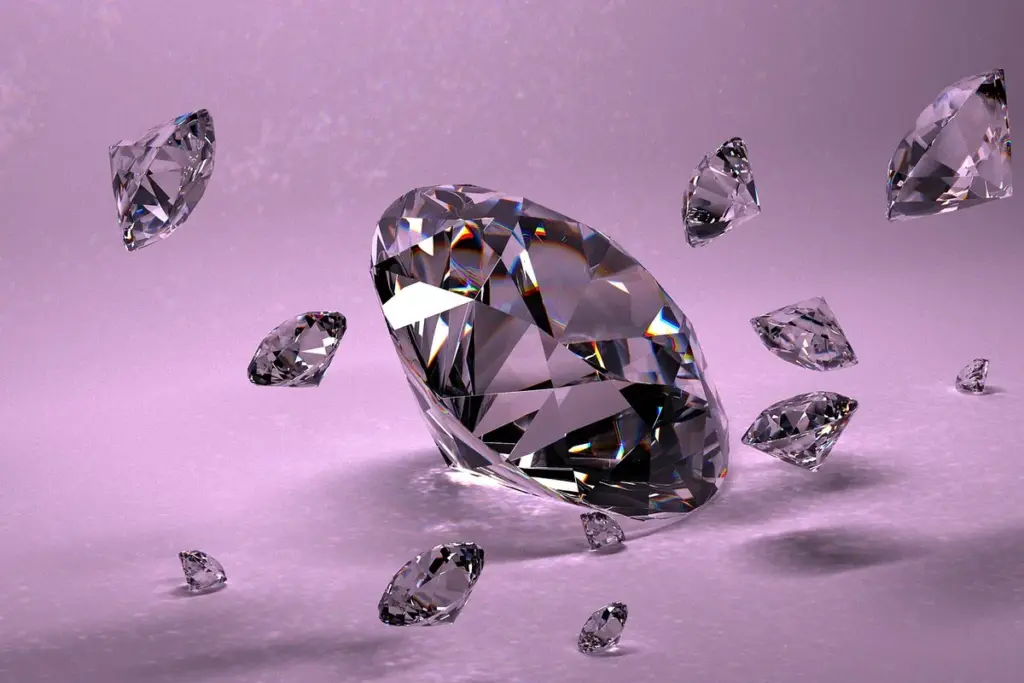
Most people selling jewelry make the same mistake: they choose a buyer based on convenience or a quick Google search, then accept the first offer they receive. The result is almost always a lower payout than they deserved. Choosing the right jewelry buyer requires a specific set of criteria, and most of them have nothing to do with who has the flashiest storefront or the most five-star reviews from people who have no idea what their pieces were actually worth.
Credentials and Transparency Are Non-Negotiable
Start with licensing. In NYC, any buyer dealing in secondhand goods operates under specific city regulations, and a legitimate buyer will have no hesitation showing you their credentials. Ask directly. A buyer who hedges or changes the subject is a red flag.
Transparency about the valuation process matters just as much. A serious buyer will explain exactly how they are calculating your offer: spot price, purity, weight, any deductions for refining. If someone just hands you a number without walking you through the math, you have no way to evaluate whether it is fair. The Precious Metals Group makes a point of showing clients the calculation behind every offer, because a seller who understands the number is far more likely to trust the process.
Avoid buyers who quote “up to” percentages of spot price. That language is designed to imply a high payout while leaving room to offer you far less. Ask for a firm percentage of the current spot price, in writing, before you hand anything over.
How Buyers Assess Your Pieces Changes Everything
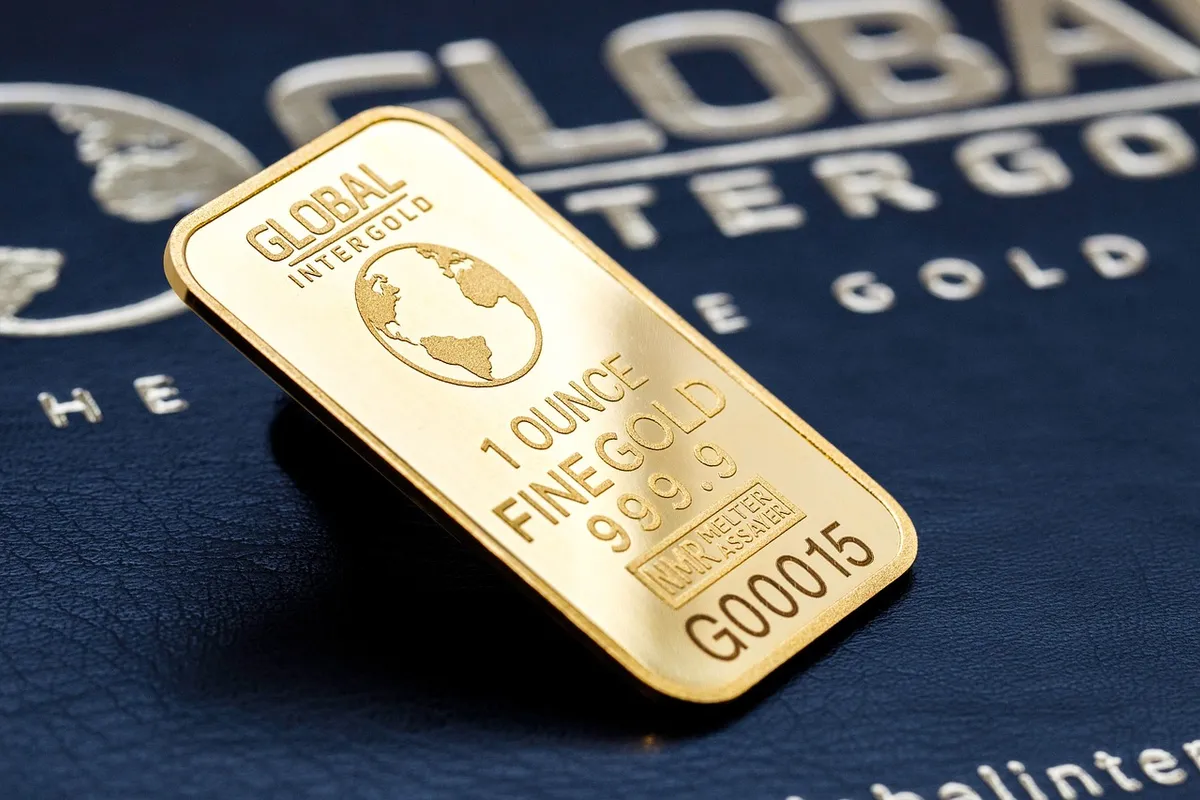
The tools a buyer uses tell you a great deal about how seriously they take accuracy. XRF (X-ray fluorescence) spectrometry is the industry standard for testing precious metal purity without damaging a piece. It reads the actual alloy composition in seconds. A buyer relying solely on acid testing or visual inspection is working with less precision, which usually means more conservative offers to protect their margin.
Weight measurement matters too. A calibrated scale, accurate to 0.01 grams, is standard equipment. Watch for buyers who weigh multiple items together before separating them by karat or metal type. That practice, common in lower-end shops, leads to blended valuations that systematically undervalue your higher-purity pieces.
For diamonds and gemstones, ask whether the buyer has a Graduate Gemologist on staff or uses GIA-certified grading. Many jewelry buyers in the Diamond District and across NYC handle stones daily but lack formal credentials to grade them accurately. If a buyer cannot tell you the cut grade or the specific clarity characteristics of a stone, they are guessing at its value.
What the Market Rate Actually Means for Your Payout
Spot price for precious metals updates in real time during market hours. A buyer offering you a price based on “yesterday’s rate” or a weekly average is not giving you a fair deal. Pull up the live spot price yourself on Kitco or a similar platform before any appointment. You do not need to be an expert. You just need a reference point.
Payout percentages vary by buyer type. Pawnshops typically offer 30-50% of melt value. Coin dealers may do better on bullion but often undervalue fabricated jewelry. Specialist precious metals buyers, particularly those who sell precious metals in NYC through established channels, tend to offer 70-90% of melt value because their overhead model and refinery relationships allow it.
The Precious Metals Group has noted that sellers who get multiple offers before committing consistently walk away with 15-25% more than those who accept the first offer. That is not a small difference on a piece worth several thousand dollars. Three offers, same day if possible, is a reasonable standard.
One thing worth understanding: the price of gold on any given day affects every other precious metal market indirectly. Platinum, palladium, and silver all move in loose correlation with broader market sentiment. Selling during a period of sustained market strength, rather than reacting to an urgent need, almost always produces a better outcome.
Red Flags That Are Easy to Miss
Pressure is the clearest warning sign. Any buyer who tells you the offer is only good for the next ten minutes, or who discourages you from seeking a second opinion, is not a buyer you should work with. Full stop.
Be cautious with buyers who operate exclusively online with no physical location. Mail-in programs can work, but they remove your ability to observe the evaluation in person and create disputes that are difficult to resolve. If you are in the NYC area, there is no reason to mail jewelry anywhere when established buyers operate locally.
Vague contracts are another problem. Before any transaction, read the paperwork. It should specify the exact weight, purity, and price per gram or troy ounce for each item. If the contract is a single line with a total dollar amount, that is not sufficient documentation.
For anyone selling diamonds specifically, the process of selling diamonds in NYC involves additional complexity around grading reports, secondary market demand, and stone characteristics that generic jewelry buyers are not equipped to handle well. Matching the right buyer to the right asset type is its own decision.
The Precious Metals Group operates at 30 W 47th St Suite 906, 9th Floor, New York, NY 10036, and can be reached at (212) 840-0415. For sellers in NYC looking for a buyer with transparent valuations and direct refinery access, it is a straightforward starting point.
Frequently Asked Questions
What should I prepare before meeting with a jewelry buyer?
Before your appointment, gather your jewelry and any relevant documentation, such as appraisals or grading reports. Knowing the current market rate can also help; check the live spot price on platforms like Kitco to have a reference point during negotiations.
How do buyers determine the value of my jewelry?
Buyers assess jewelry by considering factors like weight, purity, and market conditions. They should explain their valuation process in detail, including any deductions for refining, to ensure you understand how they arrived at their offer.
What are common mistakes sellers make when choosing a jewelry buyer?
A common mistake is accepting the first offer without comparing multiple quotes, which can result in lower payouts. Sellers often overlook the importance of transparency and credentials; always ensure the buyer is licensed and willing to explain their valuation process.
What red flags should I look for when selecting a jewelry buyer?
Watch for buyers who pressure you to make quick decisions or discourage you from seeking second opinions; these are significant warning signs. Additionally, vague contracts that lack detailed information about weight, purity, and pricing should raise concerns about the buyer’s legitimacy.
Get Directions to The Precious Metals Group
🎧 Listen to this as a podcast
Also on Apple Podcasts, Spotify, and Amazon Music.
The Precious Metals Group buys gold, silver, platinum, diamonds and luxury watches at 30 W 47th St, Suite 906, in the Diamond District — walk-ins weekdays 10am to 6pm. See what we pay for gold.