
What Factors Influence the Value of Your Fine Jewelry When Selling
This article examines what affects the value of fine jewelry when selling.
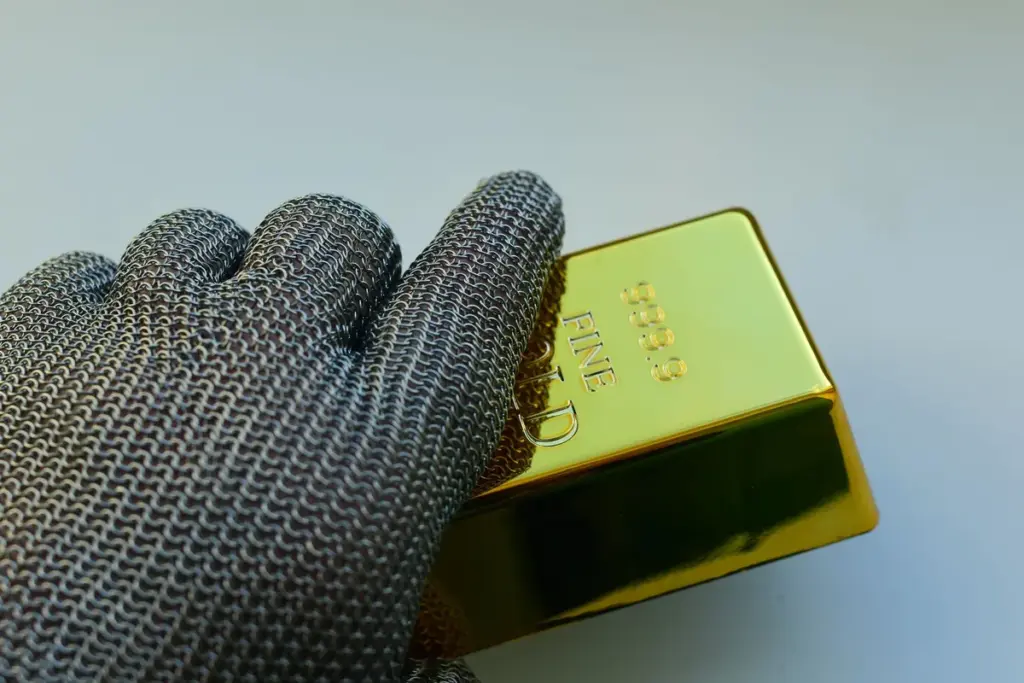
Most people walking into a jewelry buyer’s office for the first time assume the price they paid at retail has some bearing on what they’ll receive. It doesn’t. The resale valuation of a piece is built from a completely different set of inputs, and understanding those inputs before you sit down across from a buyer changes the conversation entirely. Metal content, stone quality, maker identity, and current market conditions each pull the number in different directions, sometimes dramatically. Getting a fair offer means knowing which factors actually move the needle.
Metal Content and Purity Are the Foundation
Does the karat marking on my jewelry actually matter to a buyer?
Yes, it matters significantly. A 10-karat gold piece contains 41.7% pure gold by weight, while 18-karat contains 75%, and that difference translates directly into the melt value calculation a buyer runs before anything else.
The first thing any serious buyer does is verify the metal. Hallmarks are a starting point, but they get tested. X-ray fluorescence (XRF) analysis gives an accurate read of alloy composition without damaging the piece. Acid testing is older and still used for quick checks. The buyer weighs the piece in grams, confirms the purity percentage, references the current spot price for that metal, and arrives at a base melt value. That number is the floor of the conversation, not the ceiling.
Platinum is a separate category. It trades at its own spot price and is denser than gold, so a platinum ring that looks similar in size to a gold ring will weigh considerably more. If you have platinum pieces, it’s worth understanding how selling platinum in NYC differs from selling gold before you compare offers.
How does the spot price of gold affect what I’m offered today?
The spot price sets the raw material ceiling, and buyers offer a percentage of that ceiling based on their operating costs and margin requirements. Spot prices move daily, sometimes sharply, so the offer you receive this week may differ from one you’d receive next month. Buyers in active markets like NYC track these movements closely and adjust accordingly.
Diamonds and Gemstones: Where the Variables Multiply
Will a buyer pay me for the diamonds in my piece?
Yes, but the amount depends heavily on the stone’s characteristics, and the wholesale diamond market is far more nuanced than the gold market. A diamond’s value at resale is shaped by the four Cs: carat weight, cut quality, color grade, and clarity. A GIA or AGS grading certificate for a stone doesn’t guarantee a specific price, but it removes ambiguity and usually supports a stronger offer because the buyer doesn’t have to discount for uncertainty.
Melee diamonds, the small accent stones set around a center stone, are typically valued collectively at a modest rate per carat rather than individually. They add something, but not proportionally to their count. Colored gemstones like sapphires, rubies, and emeralds are harder to price quickly because their secondary market is thinner and more specialized. The Precious Metals Group is direct with clients about this: a significant colored stone may warrant an independent appraisal before any transaction, because undervaluing it is a real risk on both sides.
If diamonds are the primary asset in your piece, reviewing what goes into selling diamonds in NYC gives you a clearer picture of how buyers assess stones independently of the setting.
Does the condition of my jewelry lower the offer I receive?
For pieces being purchased for melt value, condition is largely irrelevant. For pieces with collector or designer value, condition matters considerably. A bent prong, a cracked shank, or a missing stone on a signed Cartier bracelet reduces what a buyer can realistically do with the piece in the secondary market, and that cost gets reflected in the offer.
Designer Names and Signed Pieces Carry a Premium
A signed piece from a recognized maker, Tiffany, Van Cleef and Arpels, Bulgari, Cartier, David Yurman, commands more than its metal and stone weight alone suggest. The premium exists because there is a real secondary market for these pieces as objects, not just as raw materials. Buyers who operate in NYC’s Midtown West jewelry district see this constantly: two rings with identical gold weight and diamond grades can have very different valuations simply because one carries a recognizable hallmark and one does not.
The Precious Metals Group advises clients to bring any documentation they have for signed pieces, original boxes, receipts, or certificates. None of it is required, but all of it reduces the buyer’s uncertainty, and reduced uncertainty generally produces a better number for the seller.
Provenance matters more than most sellers expect. A piece with a clear ownership history and original paperwork is easier to move in the collector market, which means the buyer can justify paying more for it up front.
Market Timing and the Buyer’s Perspective
Jewelry buyers are not running a charity. They need to acquire pieces at a price that allows them to cover costs and generate a return, whether they’re selling into the wholesale market, the collector market, or the melt stream. Understanding this isn’t cynical. It’s practical.
Offers are also shaped by what the buyer’s current inventory looks like. A buyer who is heavy on yellow gold bangles may offer less aggressively on another yellow gold bangle than one who is short on that category. This is one reason why getting more than one offer in a market like NYC makes sense, particularly for higher-value pieces.
The broader precious metals market also plays a role. When gold has been trending upward over an extended period, buyers may be slightly more aggressive because they expect their acquisition cost to hold or appreciate. When markets are volatile, buyers build in more cushion. The Precious Metals Group is transparent with clients about how current market conditions are affecting offers, which is the kind of context that makes the process feel less opaque.
Selling fine jewelry well is a matter of preparation. Know your metal, know your stones, know your maker, and understand that the buyer across the table is running real numbers. For anyone in NYC looking for a straightforward, experienced resource, The Precious Metals Group operates at 30 W 47th St Suite 906, 9th Floor, New York, NY 10036, reachable at (212) 840-0415.
Frequently Asked Questions
What should I prepare before selling my jewelry?
Before selling, gather any documentation you have, such as original boxes, receipts, or certificates, especially for signed pieces. This reduces buyer uncertainty and can lead to a better offer.
How does the condition of my jewelry affect its value?
The condition is crucial for pieces with collector or designer value; issues like bent prongs or missing stones can lower offers significantly. However, for items being purchased primarily for melt value, condition is largely irrelevant.
What factors determine the offer I will receive for my jewelry?
Offers are influenced by metal content and purity, the quality of any diamonds or gemstones, the item’s condition, and the buyer’s current inventory and market conditions. Understanding these elements helps set realistic expectations for your offer.
Why is it important to get multiple offers when selling jewelry?
Getting multiple offers is beneficial because buyers may assess the same piece differently based on their current inventory and market conditions. This practice can help you secure a more favorable price, especially for higher-value items.
Get Directions to The Precious Metals Group
🎧 Listen to this as a podcast
Also on Apple Podcasts, Spotify, and Amazon Music.
The Precious Metals Group buys gold, silver, platinum, diamonds and luxury watches at 30 W 47th St, Suite 906, in the Diamond District — walk-ins weekdays 10am to 6pm. See what we pay for gold.