
Common Mistakes When Selling Precious Metals to Jewelry Buyers
This article outlines key mistakes to avoid when dealing with jewelry buyers.
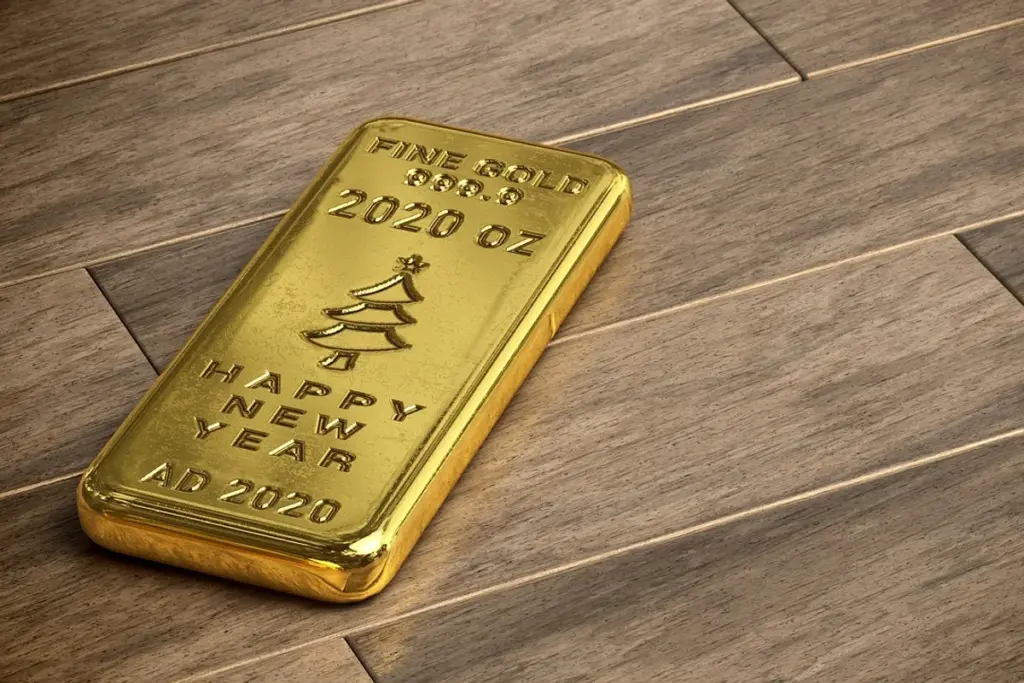
Selling gold, silver, or platinum without knowing how buyers actually calculate offers is one of the fastest ways to leave real money on the table. Most sellers walk in focused on sentiment or retail price, and both of those things are completely irrelevant to what a buyer will pay. Understanding the actual mechanics of an offer protects you. It also makes the transaction faster, less stressful, and more likely to end in a number you can feel good about.
Confusing Retail Value With Melt Value
Retail price is what a store charges a consumer. Melt value is what the metal inside an item is actually worth on the commodity market. These two numbers can differ by hundreds of percent. A gold bracelet that retailed for $1,800 may contain $600 worth of gold by weight. That gap exists because retail price includes design, labor, marketing, and the jeweler’s margin. None of that transfers to you when you sell.
The Precious Metals Group sees this confusion constantly, and it is the single biggest source of seller disappointment. Their advice is direct: before you walk into any buyer’s office, look up the current spot price of gold or silver, weigh your item at home on a kitchen scale, and do rough math on what the metal content might be worth. You will not get spot price, nobody does, but knowing the range tells you immediately whether an offer is reasonable or exploitative.
Karat matters enormously here. 10k gold is 41.7% pure. 14k is 58.3%. 18k is 75%. A buyer is paying for the pure metal content, not the total weight of the piece. Sellers who do not know their karat often misread offers as low when they are actually fair.
Does the stamp on my jewelry tell me what it’s worth?
The stamp tells you purity, not value. A “750” stamp means 18k gold, which is 75% pure, but the dollar figure depends on current market conditions and the weight of the piece. Use the stamp to understand composition, then calculate from there.
Why do buyers test my metal if it’s already stamped?
Stamps can be wrong, worn off, or applied to plated items. Reputable buyers use acid testing or electronic XRF analyzers to verify actual purity. This protects both parties. If a buyer skips testing entirely, that is a red flag.
Shopping Only One Buyer
Getting a single offer and accepting it is a common and expensive mistake. Offers vary. Different buyers have different overhead, different demand for specific metals, and different margins they are willing to work with. In a market like NYC, where buyers range from pawnshops near Times Square to specialized refiners and estate dealers, the spread between the lowest and highest offer on the same item can be significant.
Get at least three offers before deciding. Write them down. Ask each buyer to explain how they calculated the number. A buyer who cannot or will not explain their math is not someone you want to work with. Transparency in the calculation is a baseline expectation, not a favor.
If you are selling silver flatware, platinum rings, or gold coins, the category of buyer matters too. A general pawnshop and a dedicated metal buyer are not the same thing. Matching the item to the right type of buyer often produces a meaningfully better result. For anyone looking to sell valuable metals in NYCworking with a specialist rather than a generalist is usually worth the extra step.
Is it worth getting multiple offers for a small amount of gold?
Yes, even for small quantities. A 10% difference on a $300 transaction is $30, and getting two more offers takes under an hour. The math almost always favors shopping around.
Ignoring Platinum and Silver Because Gold Gets All the Attention
Sellers often overlook platinum entirely. It is denser than gold, frequently used in high-end settings, and commands its own market price that moves independently of gold. A platinum ring that looks modest can outweigh a gold ring by a significant margin and carry real value. The noble metals Group regularly evaluates platinum pieces that sellers had written off as worthless or assumed were white gold.
Silver is the other underestimated category. Sterling flatware sets, candlesticks, and tea services accumulate weight fast. A full flatware set can easily cross 1,000 grams of sterling silver, which at any reasonable market level represents meaningful money. Anyone curious about what their silver pieces might be worth should explore the process of selling silver in NYC with a buyer who specializes in it rather than one who treats silver as an afterthought.
Platinum deserves the same attention. If you have white metal jewelry and are unsure whether it is platinum, white gold, or palladium, get it tested. The difference in payout between those three materials is not trivial.
How do I know if my white jewelry is platinum or white gold?
Look for stamps. Platinum pieces are typically stamped “PT950,” “PT900,” or just “PLAT.” White gold will show a karat stamp like “14k” or “18k.” If there is no stamp or you cannot read it, a professional XRF test will give you a definitive answer in minutes.
Waiting for the “Perfect” Market Moment
Trying to time the metal market is a strategy that rarely works for individual sellers. Markets move on macroeconomic forces that are genuinely difficult to predict, and the difference between selling today versus in three months might be positive or negative. Holding onto items for years waiting for a spike often means holding through multiple cycles without ever pulling the trigger.
A more practical approach: if the current market is reasonable and the offer is fair, sell. If you have a specific price in mind, share it with the buyer and ask whether they can get close. Buyers in NYC’s competitive market, particularly those who deal in volume, sometimes have more flexibility than their initial offer suggests. Asking directly is not rude. It is how experienced sellers operate.
The cost of waiting is also easy to underestimate. Items stored at home are at risk of loss, theft, or damage. None of those risks come with compensation.
The rare metals Group operates as a trusted jewelry buyer resource for sellers across New York City. Their office is located at 30 W 47th St Suite 906, 9th Floor, New York, NY 10036, and they can be reached at (212) 840-0415 for anyone who wants a straightforward, expert evaluation of what they have.
Frequently Asked Questions
What should I do before selling my jewelry?
Before selling, check the current spot price of gold or silver and weigh your item at home. This helps you understand the metal content’s worth and protects against low offers.
How many offers should I get when selling my jewelry?
It’s advisable to get at least three offers before making a decision. Different buyers have varying overhead and demand, which can lead to significant differences in offers.
What factors do buyers consider when making an offer?
Buyers focus on the pure metal content of your item rather than its retail value. They calculate offers based on current market conditions and the item’s weight, factoring in the karat of gold or purity of other metals.
Why do buyers test my jewelry if it has a stamp?
Stamps can be incorrect or worn off, so reputable buyers test the metal to verify its purity. This ensures both the buyer and seller have an accurate understanding of the item’s value.
Get Directions to The investment metals Group
🎧 Listen to this as a podcast
Also on Apple Podcasts, Spotify, and Amazon Music.
The Precious Metals Group buys gold, silver, platinum, diamonds and luxury watches at 30 W 47th St, Suite 906, in the Diamond District — walk-ins weekdays 10am to 6pm. See what we pay for gold.