
What Should You Consider Before You Sell Your Gold Jewelry?
Are you contemplating to sell gold jewelry? Here's what you need to know.
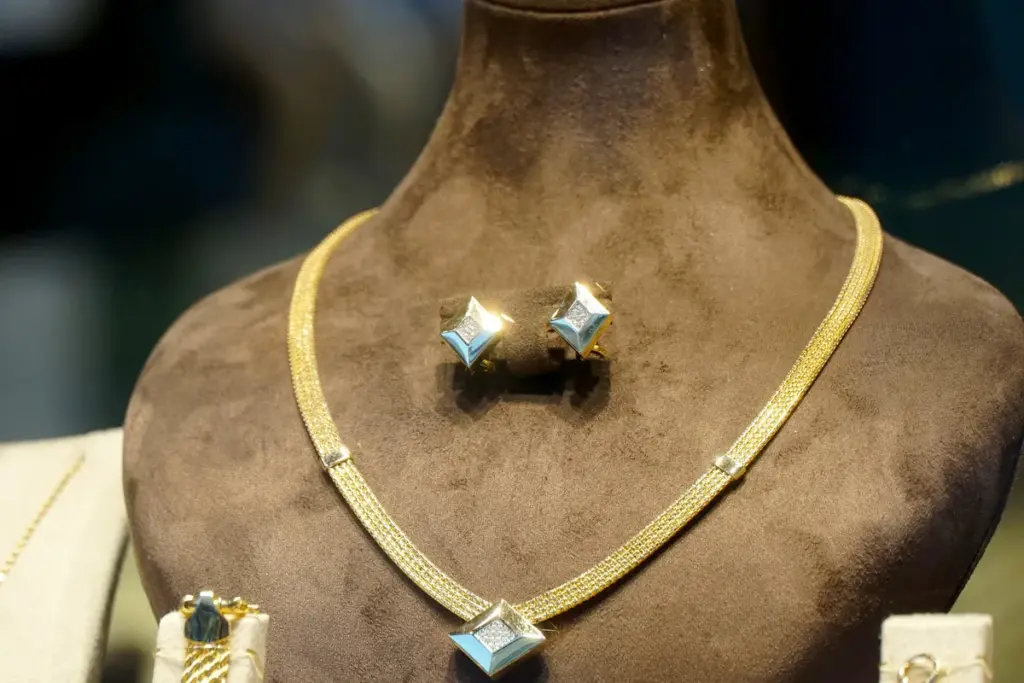
Most people only decide to sell gold jewelry NYC once, maybe twice in a lifetime. A divorce, a move, an inheritance they don’t know what to do with. Because it’s a rare event, most sellers walk in underprepared, and that gap between what they expect and what they receive can be genuinely frustrating. Before you hand anything over a counter, there are a few things worth understanding, not to scare you off, but to make sure you walk away feeling good about the deal.
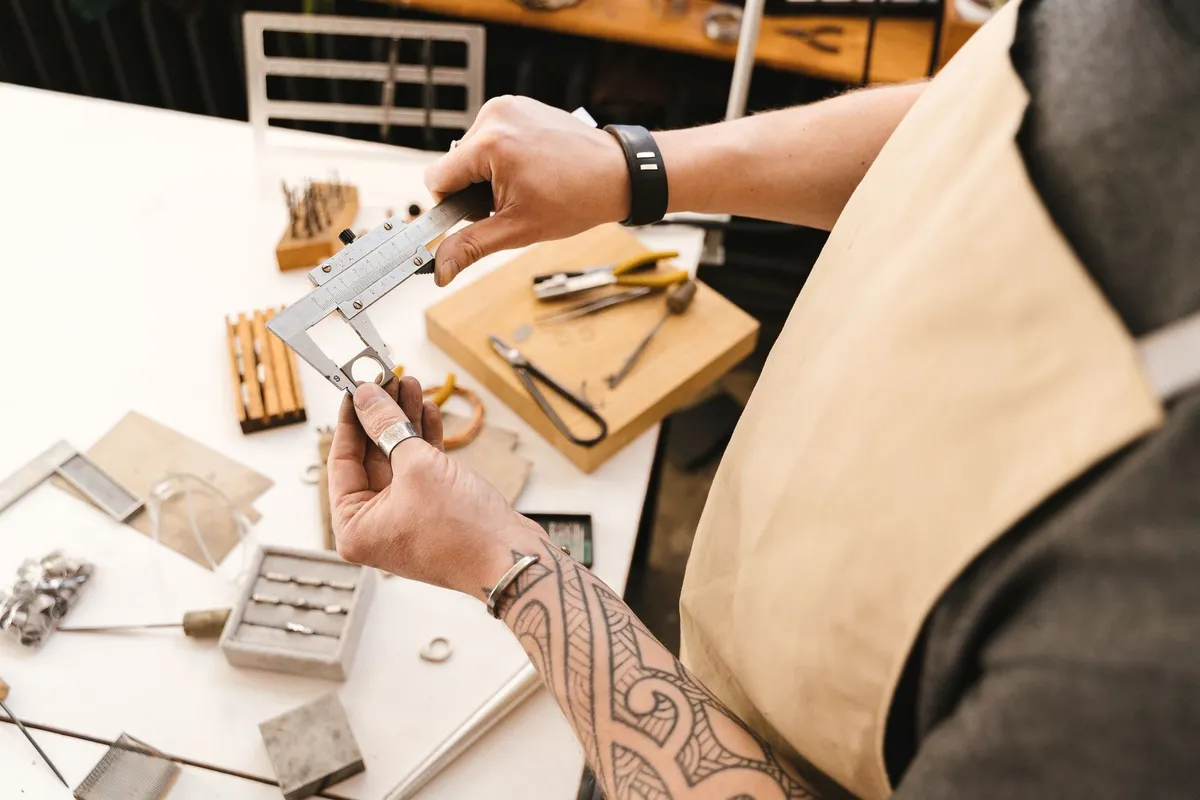
Your Jewelry Is Worth More Than Its Melt Value, Sometimes
Here’s something a lot of buyers won’t volunteer: gold pieces aren’t always valued purely by weight. A plain 14k chain? Yes, it’s mostly about the metal content. But a signed piece from a recognized designer, a vintage brooch with fine craftsmanship, or a piece with collector appeal, those can command significantly more than the raw metal price alone.
The mistake sellers make is assuming everything gets thrown on a scale and that’s that. A reputable buyer will look at the full picture: maker’s marks, condition, age, and whether there’s a secondary market for the piece as jewelry rather than scrap. If you’re carrying something with a hallmark or a designer signature, mention it upfront and see how the buyer responds. Their answer tells you a lot about whether they know what they’re looking at.
If you’re unsure how to read your pieces before bringing them in, this guide on how to prepare your gold and silver before selling walks through exactly what to look for, purity stamps, clasps, and other details that can affect your offer.
Does the karat of my gold actually matter that much?
Yes, it matters a great deal, higher karat gold contains more pure metal and is worth more per gram, so a 22k piece and a 10k piece of the same weight will fetch very different offers. Understanding your karat stamps before you walk in gives you a baseline for evaluating any offer you receive.
What if I don’t know the karat of my jewelry?
A trustworthy buyer will test it for you on the spot using acid testing or an electronic analyzer, if a buyer makes an offer without testing, that’s a red flag worth taking seriously. You should never accept a number based on guesswork.
The Gold Market Moves, And Timing Has Real Consequences
Gold prices aren’t fixed. They shift based on global economic conditions, currency fluctuations, and investor sentiment. Prices have historically moved in broad cycles, periods of relative calm followed by sharp climbs when uncertainty drives demand. Without naming a specific number, it’s fair to say that gold has been trading at elevated levels compared to historical averages for a meaningful stretch of time.
That matters to you as a seller. When metal prices are strong, buyers can afford to pay more and still operate profitably. When prices dip, offers tend to tighten. Checking the general direction of gold prices before you go in, even a quick glance at a financial news site, gives you context for the offer you receive. You don’t need to be a commodities trader. You just need to know whether the market is climbing, falling, or holding steady.
For a deeper look at how price trends affect what you’re likely to be offered, this piece on understanding fluctuations in jewelry value breaks it down in plain terms.
Should I wait for gold prices to go higher before selling?
Trying to time the market perfectly is a gamble most people lose, if prices are already strong and you need the cash, selling now at a solid offer is often smarter than waiting for a peak that may or may not come. Sell when the conditions are favorable and the timing works for your life, not just the market.
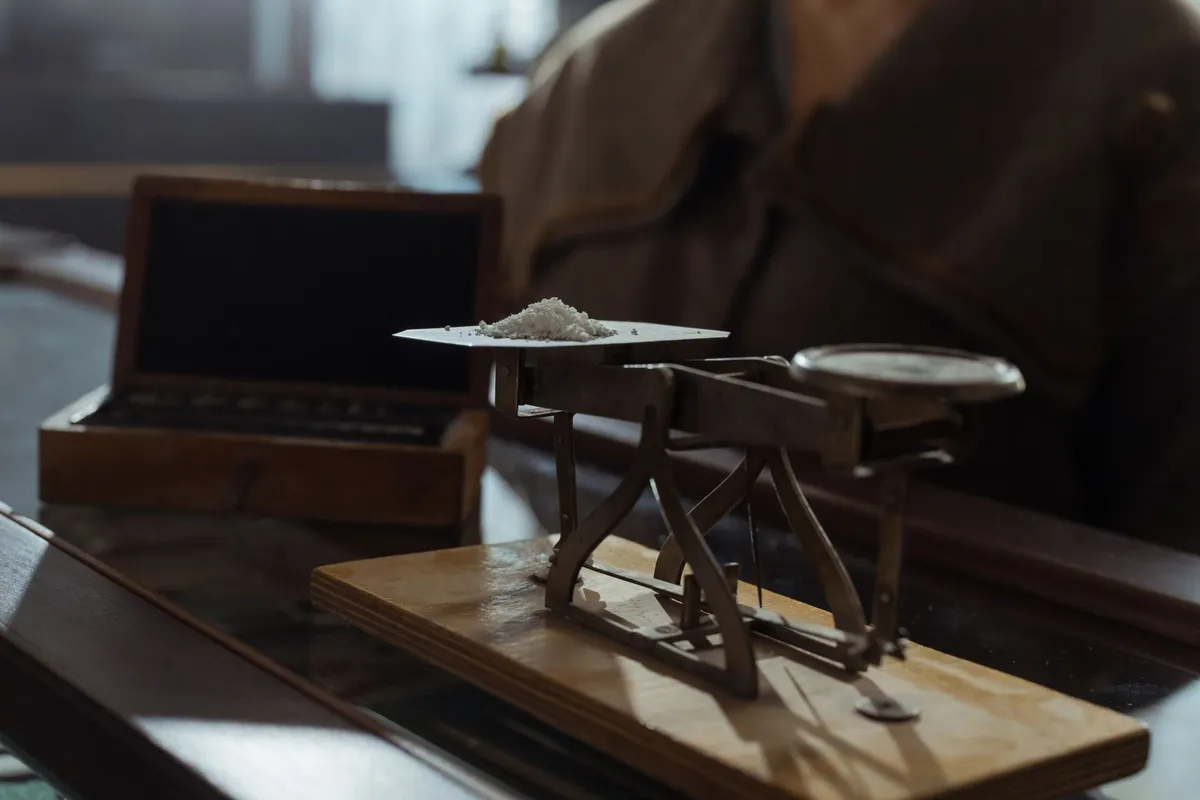
Not Every Buyer in This City Operates the Same Way
New York has no shortage of places willing to buy your gold. Pawn shops, pop-up buyers, online mail-in services, jewelry stores, and dedicated precious metals dealers all compete for the same inventory. But the offers, and the experience, vary widely.
Pawn shops typically offer the lowest returns because they’re in the lending business first and resale second. Mail-in services are convenient but remove you from the negotiation entirely, and getting your pieces back if you’re unhappy with the offer can be a hassle. Pop-up buyers, the kind that rent hotel conference rooms for a weekend, often move fast and pressure sellers into quick decisions.
Established, local precious metals dealers tend to offer the most transparent process. The Precious Metals Group has built its reputation in New York on exactly that, straightforward appraisals, no pressure, and buyers who actually know the difference between scrap gold and a collectible piece. Customers who’ve been through the process often describe leaving with a clearer understanding of what they owned than when they walked in, which says something about how the conversation is handled.
If you’re new to this and want to understand what separates a reliable buyer from one you should walk away from, this breakdown on finding trustworthy gold buyers in NYC is worth reading before your first appointment.
Is it safe to bring valuable jewelry to a buyer in person?
Yes, any established, professional buyer will have secure facilities and a straightforward process for handling your pieces with care. Bring a list of what you’re carrying, and don’t feel rushed to accept an offer the same day if you want time to compare.
What You Bring to the Table Changes the Offer
Sellers who show up with documentation, original receipts, appraisals, certificates for stones, tend to get better conversations and, often, better offers. It’s not that the buyer can’t assess the piece without paperwork, but documentation removes uncertainty, and uncertainty is what buyers price against you.
Clean your pieces gently before bringing them in. Dirt and grime can obscure hallmarks and make condition harder to assess. Separate your jewelry by type, chains together, rings together, broken pieces in their own group. This isn’t about impressing anyone. It’s about making the appraisal faster and more accurate, which works in your favor.
Know what you’re willing to accept before you walk in. Not a specific number, you won’t know the offer until you’re there, but a sense of your floor. If an offer feels low, ask how it was calculated. A good buyer will explain their math. One who can’t or won’t is telling you something important about how they operate.
Selling gold pieces you’ve held for years is a significant decision. Go in informed, take your time, and work with someone who treats the transaction with the same seriousness you do.
Frequently Asked Questions
How do I know if my gold piece is worth more than just its weight in metal?
Look for maker’s marks, hallmarks, or designer signatures on the piece, these are the details that signal a buyer should be evaluating it as a collectible or vintage item, not just scrap. When you bring it in, mention those markings upfront and pay attention to whether the buyer recognizes them and adjusts their assessment accordingly. A buyer who goes straight to the scale without examining the piece at all is likely leaving money on the table for you.
What testing method should a buyer use to determine my gold’s karat, and should I be worried if they skip it?
A legitimate buyer will test your pieces on the spot using either acid testing or an electronic analyzer, both are standard, accepted methods in the industry. If someone makes you an offer without running any test at all, that’s a clear red flag and you should not accept the number. The karat directly determines how much pure metal is in the piece, so any offer made without testing it is essentially a guess.
Why do pop-up gold buyers renting hotel conference rooms tend to get a bad reputation?
The article flags them specifically because they create time pressure, they’re only in town for a weekend, which pushes sellers into quick decisions before they’ve had a chance to compare offers elsewhere. That urgency benefits the buyer, not you. Established local dealers don’t have a checkout time, so there’s no manufactured rush to accept whatever number is put in front of you.
Does bringing paperwork like old appraisals or receipts actually change the offer I’ll receive?
It can, because documentation removes the uncertainty a buyer would otherwise price against you, if they can’t verify a stone’s quality or a piece’s origin, they’ll factor in the risk by lowering the offer. An old appraisal or certificate doesn’t guarantee a higher number, but it gives the buyer less reason to hedge. Even cleaning the piece gently beforehand helps, since obscured hallmarks make accurate assessment harder.
If I’m unhappy with the offer, am I obligated to hand over my jewelry on the spot?
No, the article is direct on this point: don’t feel rushed to accept an offer the same day if you want time to compare. A reputable buyer will explain exactly how they calculated the number, and if they can’t or won’t walk you through the math, that tells you something important about how they operate. Know your floor before you walk in, ask questions if the offer feels low, and walk away if the answers aren’t satisfying.
Get Directions to The Precious Metals Group
🎧 Listen to this as a podcast
Also on Apple Podcasts, Spotify, and Amazon Music.