
How to Prepare Your Gold and Silver Before Selling in NYC
Preparing your gold and silver properly can significantly impact your selling experience in NYC.

Most people who decide to sell gold and silver NYC don’t realize that a little preparation beforehand can mean the difference between walking away satisfied and leaving money on the table. It’s not complicated, but there’s a right way to approach it, and most sellers skip the steps that matter most. Whether you’ve got a drawer full of broken chains, a few old coins, or inherited pieces you’ve never worn, what you do before you walk into a buyer’s office shapes the outcome more than almost anything else.
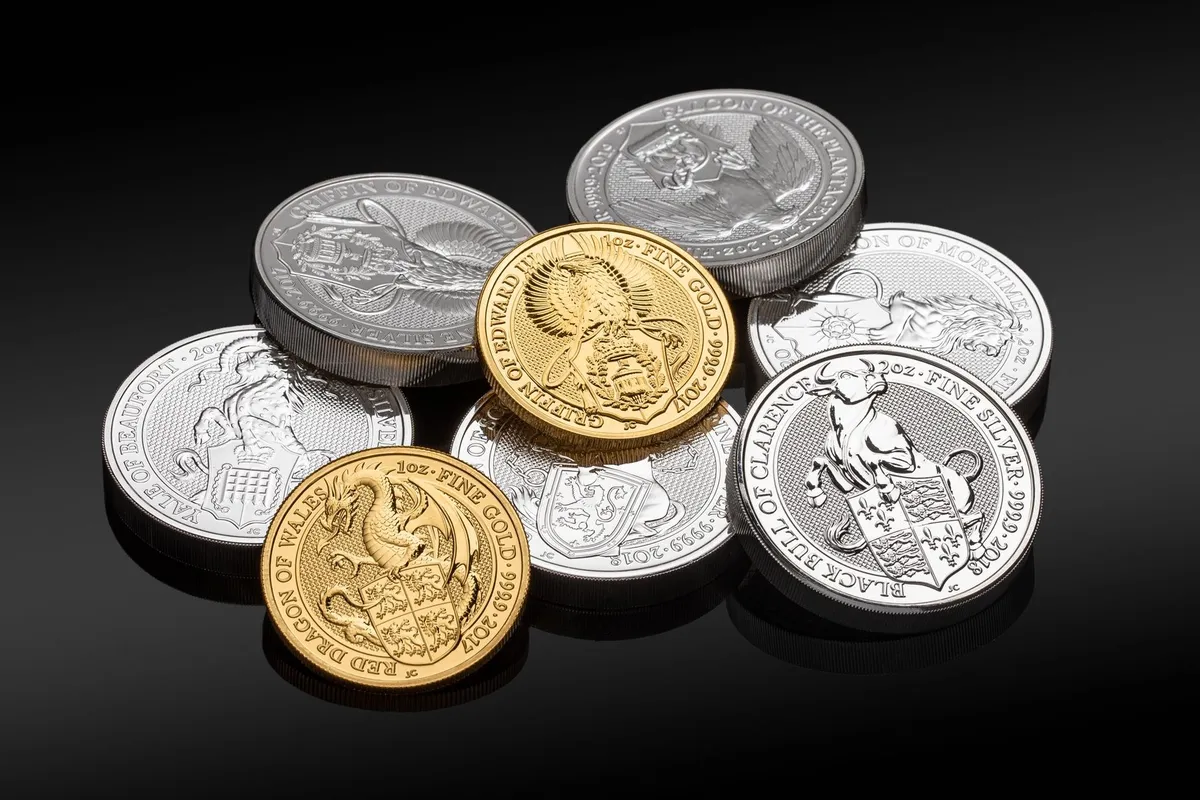
Sort First, Then Ask Questions
Before you do anything else, get organized. Pull everything out and separate your pieces by metal type. Gold goes in one pile, silver in another. If you have anything that might be platinum, set it aside, it’s a different market entirely and often more valuable than people expect.
Look for hallmarks. On gold, you’re typically looking for stamps like 10K, 14K, 18K, or 24K. On silver, common marks include 925, Sterling, or .999. These stamps tell a buyer exactly what they’re working with, and having that information ready saves time and signals that you’re a prepared seller, which tends to earn you more respect in the negotiation.
Don’t clean your pieces aggressively. A gentle wipe with a soft cloth is fine, but scrubbing silver or polishing gold with abrasive products can actually damage surfaces and reduce value. Let the buyer assess the condition as-is. That’s their job, and they’re good at it.
If you’re dealing with family pieces and aren’t sure what you have, it’s worth reading up on what to know before selling family heirlooms in NYCespecially if sentimental value and market value are both in play.
What Actually Determines What You Get Paid
Does the condition of my jewelry affect the payout?
Yes, but less than most people think when it comes to raw metal value. A reputable buyer is primarily paying for the metal content, the weight and purity, not whether the piece looks pretty. A bent ring and a pristine bracelet of the same karat and weight will fetch similar prices from a metal buyer. Where condition matters more is if the piece has collectible or designer value on top of its metal content.
How do buyers calculate what gold and silver are worth?
Buyers work off the spot price of the metal, a market rate that moves throughout the trading day, combined with the weight and purity of your piece. They apply a percentage of that spot price, which is how they stay in business. The closer to spot price they offer, the better the deal for you. A good buyer will walk you through this math openly, not hide it behind vague language.
Is it better to trade in gold and silver separately or together?
Separately, almost always. Gold and silver are priced on completely different scales, and a buyer who quotes you a combined figure may be obscuring where the real value sits. Get clear numbers on each metal individually so you can compare offers accurately if you’re shopping around.
Should I get multiple offers before committing?
Getting two or three quotes is smart, especially for larger lots. That said, don’t just chase the highest number without understanding it. An unusually high offer sometimes means a buyer is working from inflated assumptions they’ll walk back once they inspect your pieces in person. A fair, transparent offer with a clear breakdown is worth more than a flashy number that evaporates at the counter.
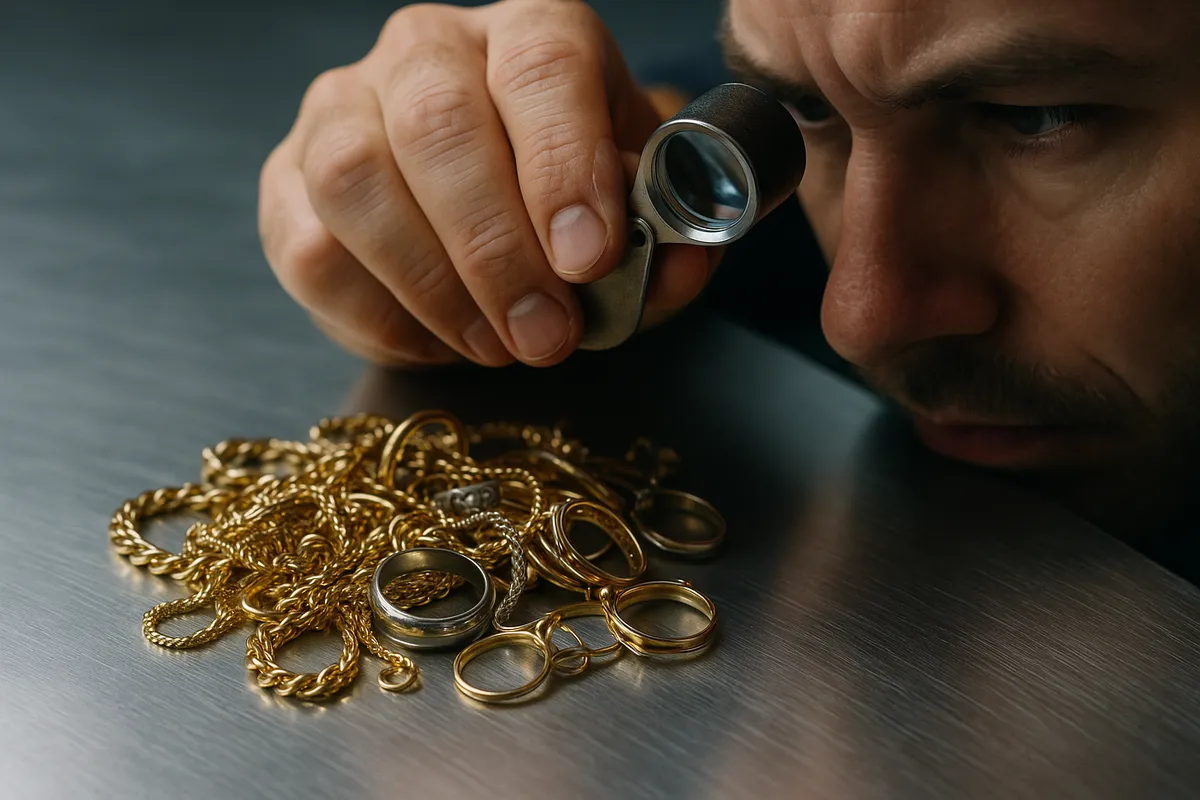
The NYC Market Is Not Like Anywhere Else
New York has one of the most active precious metals markets in the country. That’s both an advantage and a reason to be sharp. There are excellent buyers here, experienced, licensed, and genuinely competitive, and there are also operations that prey on sellers who haven’t done their homework.
The best buyers in this city are transparent about their process. They’ll weigh your items in front of you, show you the scale reading, explain the karat breakdown, and give you a written offer before you commit to anything. If a buyer is vague, rushed, or reluctant to explain their math, that’s your cue to walk.
At The Precious Metals Group, located in NYC, the approach is straightforward: every piece gets assessed on the spot, every offer is explained clearly, and sellers leave knowing exactly what they were paid and why. That kind of transparency is what repeat customers consistently point to when they describe their experience, the clarity of the process, not just the payout.
For anyone specifically looking to move silver pieces, it’s worth understanding the nuances of that particular market. Silver pricing can be more volatile than gold in the short term, and the silver buying process in NYC has its own considerations around weight, purity grades, and coin versus jewelry valuations.
Timing and Mindset Matter More Than People Admit
Metal prices move. They always have. Trying to time the perfect moment to sell is a losing game for most people, the market doesn’t send you a notification when it peaks. What you can control is being ready when you decide to move. That means having your pieces sorted, your documentation gathered if you have it, and a realistic sense of what you’re holding.
Go in knowing that no buyer pays full spot price, that’s not how any business operates. What you’re looking for is a fair percentage of spot, offered honestly, with no pressure and no games. That’s the baseline. Anything above it is a bonus.
Sellers who feel good about the experience afterward almost always say the same thing: they came prepared, they asked questions, and they chose a buyer who treated them like an adult. That formula works every time, regardless of what the market is doing that week.
If this is your first time going through the process, the essential tips for first-time sellers in NYC are worth a read before your appointment. A little context goes a long way.
Frequently Asked Questions
What hallmarks should I look for on my pieces before bringing them in?
On gold, look for stamps like 10K, 14K, 18K, or 24K, these tell the buyer the purity without any guesswork. On silver, common marks include 925, Sterling, or .999, and if you think something might be platinum, set it aside separately since it trades on a completely different market and is often worth more than people expect.
Does it help to clean my jewelry before the appointment?
A soft cloth wipe is fine, but stop there, scrubbing silver or using abrasive polish on gold can actually damage surfaces and reduce what you walk away with. Buyers assess condition as part of their job, so let them do it on pieces that haven’t been altered by aggressive cleaning.
How do buyers actually calculate what they’ll pay me?
They start with the spot price, the live market rate for the metal, then factor in your piece’s weight and purity to get a base value, and then offer you a percentage of that figure. The closer their offer sits to the spot price, the better the deal; a transparent buyer will show you this math directly rather than hand you a number with no explanation.
If I have both gold and silver pieces, should I get one combined offer or separate quotes?
Get separate quotes for each metal, gold and silver are priced on entirely different scales, and a combined figure can hide where the real value actually sits. Breaking it down by metal also makes it much easier to compare offers accurately if you visit more than one buyer.
How many buyers should I visit before committing to a sale?
Two or three quotes is a reasonable approach, particularly if you’re bringing in a larger lot. That said, an unusually high offer is worth scrutinizing, some buyers quote inflated numbers that shrink once they physically inspect your pieces, so a clear written breakdown matters more than the biggest number you heard at the counter.
Get Directions to The Precious Metals Group
🎧 Listen to this as a podcast
Also on Apple Podcasts, Spotify, and Amazon Music.