
Considering a Luxury Watch Upgrade? It Might Be Time to Sell Your Cartier Watch
If you're looking to sell your Cartier watch, understanding its value is key.
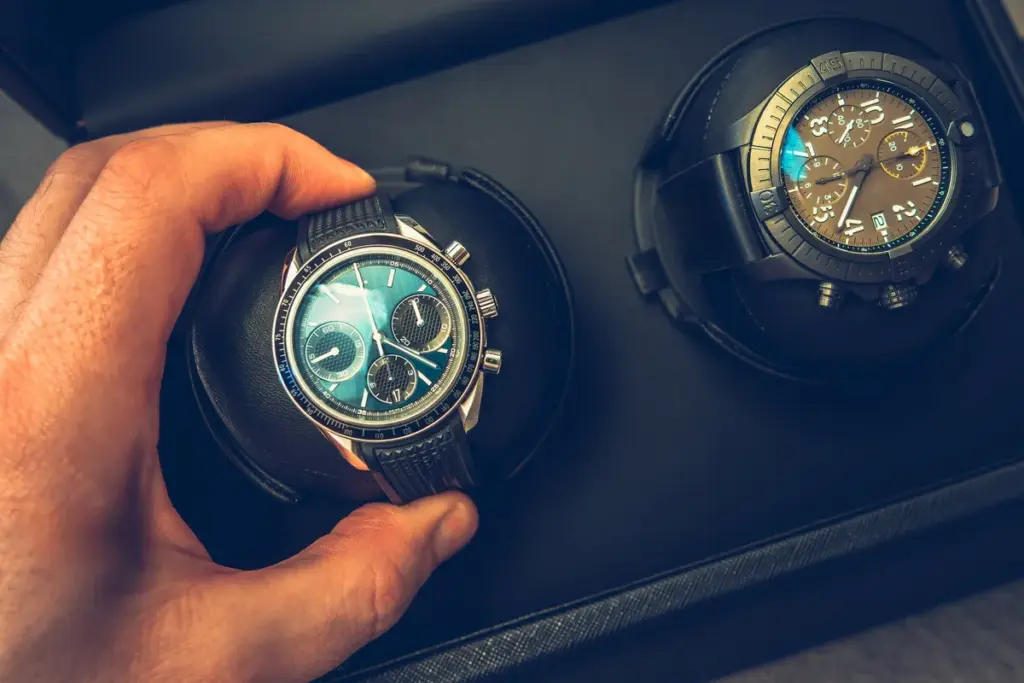
There’s a moment many watch owners recognize, the piece on your wrist no longer feels like youor maybe a better opportunity is sitting in a display case somewhere waiting for your budget to catch up. If you’ve been thinking about how to sell your Cartier watch in NYC, the good news is that the market for pre-owned Cartier timepieces remains genuinely strong, and knowing a few insider realities before you walk into any buyer’s office can mean the difference between a fair deal and leaving serious money on the table.

Why Cartier Holds Its Ground Better Than Most Brands
Not every luxury watch depreciates at the same rate, and Cartier is a brand that consistently surprises people on the upside. Part of that comes down to heritage, Cartier has been making watches that cross the line between jewelry and horology for well over a century. That dual identity matters in the resale market. A buyer isn’t just purchasing a timekeeping instrument; they’re acquiring something with genuine aesthetic prestige.
Certain Cartier collections, particularly those with clean, iconic silhouettes that have remained in production for decades, tend to hold value more reliably than limited-run or heavily trend-dependent pieces. The brand’s name recognition is global, which means demand doesn’t dry up when one regional market softens. That’s a meaningful advantage when you’re trying to convert a watch into cash quickly without accepting a lowball offer.
If you’re curious about how pre-owned luxury timepieces are valued more broadly, this overview of how to sell luxury watches for the best price covers the fundamentals that apply across brands.
What Actually Determines the Offer You’ll Receive
Does the original box and paperwork really matter that much?
Yes, having the original box, warranty card, and any service records can meaningfully increase what a buyer is willing to pay. A complete set signals authenticity and reduces the due diligence burden on the buyer’s side. That translates directly into a higher offer. It’s not a dealbreaker if you’ve lost the paperwork over the years, but expect the number to reflect that missing documentation.
How much does the condition of the watch affect the price?
Condition is one of the biggest factors, and it’s more nuanced than simply “scratched or not scratched.” Buyers look at the case, the bracelet or strap, the dial, and the crystal. Light surface wear from normal use is expected and usually priced in. Deep scratches on the case, a replaced dial, or a non-original bracelet are different matters entirely, those can significantly reduce the offer because they affect both authenticity and resale appeal.
Should you get the watch serviced before selling it?
This one is counterintuitive: in most cases, no. A professional service costs money, and you’re unlikely to recoup that cost in a higher offer. Experienced buyers evaluate movements themselves and factor condition into their assessment. Spending several hundred dollars on a service before selling often results in a net loss. The exception might be if the watch is genuinely non-functional, a buyer will price a stopped watch lower than one that runs, so a minor repair could pay off. But a full service? Skip it.
Does the metal content of the watch matter to a buyer?
Absolutely, and this is something many sellers overlook entirely. Cartier produces timepieces in stainless steel, yellow gold, white gold, rose gold, and platinum. The precious metal content adds a floor value beneath the collector or resale value. Even if the watch market softened tomorrow, the intrinsic metal value provides a baseline. Gold and platinum prices have trended upward over long periods, which means metal-cased pieces often carry more underlying value than sellers realize.

The Mistakes That Cost Sellers Real Money
The most common error is accepting the first offer without understanding what’s driving it. Some buyers make low initial offers knowing that sellers are in a hurry or simply don’t know the market. Walking into a transaction without a basic sense of what comparable pieces have sold for recently puts you at a disadvantage from the first handshake.
Another mistake is selling to a buyer who specializes in something other than luxury watches. A general pawn shop or a buyer focused primarily on gold jewelry may not have the network to move a Cartier timepiece efficiently, and that inefficiency gets passed back to you as a lower offer. Working with a specialist matters. The team at The Precious Metals Group in NYC has spent years building expertise specifically in luxury watches and fine jewelry, and that depth of knowledge shows up in the offers they’re able to make.
Sellers also sometimes underestimate the value of a quick, transparent transaction. Many people who’ve gone through the process describe the relief of dealing with a buyer who explains their reasoning rather than just presenting a number and waiting. That transparency builds trust and, frankly, tends to result in better outcomes for everyone involved.
For a broader look at the pre-owned luxury watch landscape and current demand patterns, this piece on luxury watch trends in NYC gives useful context on where buyer interest is concentrated right now.
Getting Ready to Walk In the Door
Preparation doesn’t need to be complicated. Before you meet with any buyer, take a few minutes to photograph the watch from multiple angles in good natural light. Note any visible wear, and gather whatever original accessories you still have, even a partial set is better than nothing. If you have any service history, bring it along.
Know roughly what you’re hoping to walk away with, but stay open to the conversation. A reputable buyer will walk you through how they arrived at their number. If someone can’t explain their offer, that’s a signal worth paying attention to.
The NYC market for pre-owned luxury timepieces is active and competitive, which works in your favor as a seller. Demand from collectors, dealers, and individual buyers keeps prices honest. You don’t need to rush, and you don’t need to accept an offer that doesn’t feel right. Take your time, do a little homework, and reach out to a trusted local buyer who can give you a real assessment, not a number pulled from thin air.
Frequently Asked Questions
If I lost the original box and warranty card years ago, is it even worth trying to sell my Cartier in NYC?
It’s absolutely still worth selling, missing paperwork isn’t a dealbreaker, but it will affect the number a buyer puts on the table because they take on more due diligence without that documentation. Think of the box, warranty card, and service records as a multiplier on your offer rather than a requirement to participate. Bring whatever partial set you still have, since even one or two original accessories are better than nothing.
My Cartier has some light scratches from everyday wear, should I have it polished before bringing it in?
No, and the same logic applies to a full service: you’re unlikely to recoup the cost of polishing in a higher offer, and experienced buyers already price in normal surface wear from regular use. What actually moves the needle negatively is deeper case damage, a replaced dial, or a non-original bracelet, those affect authenticity and resale appeal in ways a polish won’t fix. Save the money and bring the watch as-is.
Does it matter whether my Cartier is stainless steel versus gold when I’m trying to get a fair price?
It matters more than most sellers expect, because the precious metal content sets a floor value beneath whatever the collector or resale market is doing on any given day. Gold and platinum have trended upward over long periods, so a gold-cased piece often carries more underlying value than the owner realizes going in. Even if watch demand softened, the intrinsic metal value doesn’t disappear.
How do I know if the buyer I’m sitting across from actually knows Cartier watches, or if they’re just a general gold buyer?
Ask them to walk you through how they arrived at their offer, a specialist will be able to explain what’s driving the number, referencing the specific collection, condition factors, and current demand. A general pawn shop or gold-focused buyer may not have the network to move a Cartier timepiece efficiently, and that inefficiency comes back to you as a lower offer. If someone can’t explain their reasoning, that’s a clear signal to walk out.
Is there a smarter way to prepare before walking into a buyer’s office so I don’t go in blind?
Photograph the watch from multiple angles in good natural light before you go, note any visible wear honestly, and gather whatever original accessories you still have. Come in with a rough sense of what you’re hoping to walk away with, but stay open to the conversation rather than locking onto a number before you’ve heard the reasoning. Looking at what comparable pieces have sold for recently gives you a baseline so you can tell the difference between a fair offer and a lowball.
Get Directions to The Precious Metals Group
🎧 Listen to this as a podcast
Also on Apple Podcasts, Spotify, and Amazon Music.