
When Is It Time to Sell Gold Coins in New York? Key Insights
Learn when to sell gold coins and how to maximize your profits in NYC.
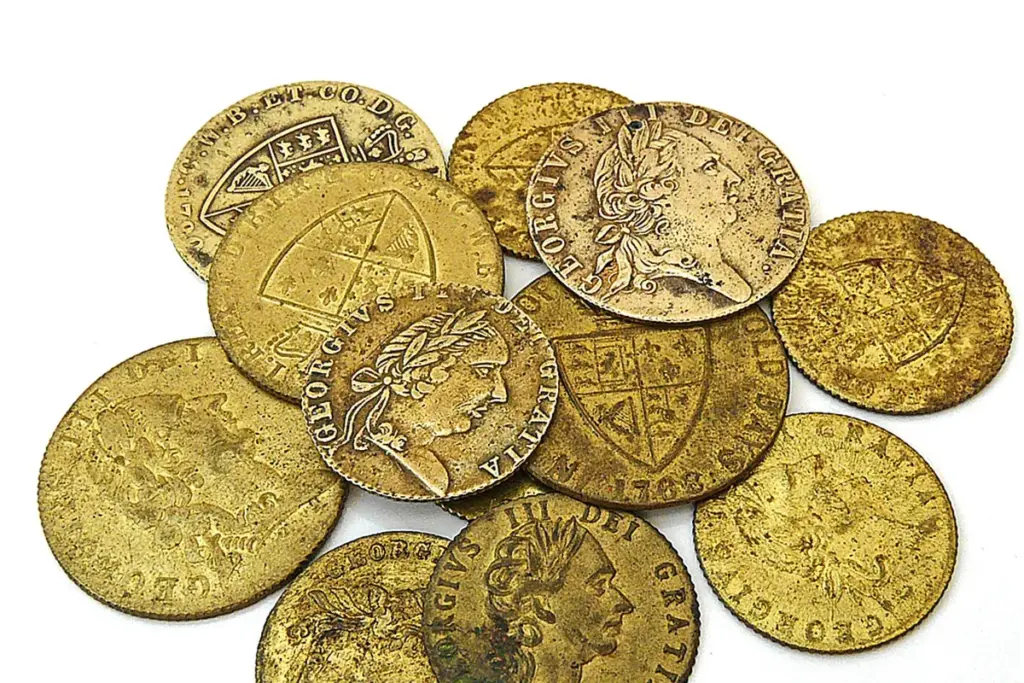
If you’ve been sitting on a collection of gold coins and wondering whether now is the right time to cash them in, you’re not alone. People who want to sell gold coins in NYC often come in with more questions than answers, and that’s completely understandable. The coin market has its own rules, its own rhythms, and its own traps for the unprepared. This guide breaks it all down so you walk into any buyer’s office knowing exactly what you have and what it’s worth.

Your Coins Are Worth More Than You Think, But Not Always for the Reason You Expect
Here’s something that surprises a lot of first-time sellers: the value of a gold coin doesn’t always come down to its gold content alone. There are two separate things a buyer looks at, the melt value (what the raw gold is worth based on weight and purity) and the numismatic value (what a collector would pay for the coin itself based on rarity, condition, and demand).
A common American Eagle or Krugerrand is typically priced very close to its melt value, because millions of them were produced and they’re not rare. But a pre-1933 U.S. gold coin in excellent condition? That could carry a significant premium above melt. The same goes for certain foreign gold coins with limited mintage runs or historical significance.
The mistake most sellers make is assuming all gold coins are equal. They’re not. Before you bring anything in, do a quick search on the coin’s name and approximate grade. You don’t need to become an expert, just informed enough to have a real conversation with the buyer.
How do I know if my gold coin has collector value?
Look at the date, the mint mark, and the overall condition, these three factors determine whether a coin is worth more than its weight in gold. Coins with low mintage numbers, those from discontinued series, or pieces in near-perfect condition tend to attract collector interest beyond raw metal value. If you’re unsure, bring it in for a professional assessment before making any decisions.
Does the condition of a gold coin really affect the price I’ll get?
Yes, significantly, especially for older or rarer pieces. A coin that’s been cleaned, scratched, or heavily circulated loses collector appeal fast. Buyers who specialize in numismatics grade coins on a scale, and even small differences in grade can mean meaningful differences in price. Don’t clean your coins before selling. It almost always reduces their value rather than helping it.
What the Market Is Doing Right Now, and Why Timing Matters
Gold prices move constantly. They respond to inflation data, interest rate decisions, geopolitical tension, and currency shifts. Over the past several years, gold has trended upward in a meaningful way, making this a period where many sellers are getting stronger offers than they would have a decade ago.
That said, no one can tell you with certainty where prices are headed next week. What experienced buyers will tell you is this: if you need liquidity and prices are at a historically strong level, waiting for a slightly higher peak rarely pays off. The difference between selling today versus three months from now is often far smaller than people imagine.
If you want a broader picture of how market timing affects your decision, this piece on seasonal gold market trends is worth a read before you commit to anything.
Is now a good time to gold bullion coins in New York?
Gold has been trading at elevated levels compared to historical averages, which means sellers are generally in a strong position right now. The best time to sell is when you have a clear financial reason to do so and prices are favorable, both conditions that many New York sellers are finding themselves in today.

Why Selling in New York Gives You a Real Advantage
New York is one of the most competitive precious metals markets in the country. That competition works in your favor. With dozens of reputable buyers operating in the city, you have real leverage, and the savvy sellers use it. Get more than one offer. Compare them. A buyer who knows you’re informed will typically make a stronger first offer.
The team at The Precious Metals Group has been working with New York sellers for years, and one thing they hear consistently from customers is that they wish they’d shopped around before accepting an early offer elsewhere. The difference between a rushed sale and a prepared one can be substantial, not just in dollars, but in confidence.
If you’re newer to this process, these essential tips for first-time sellers in NYC cover the basics in plain language and will help you avoid the most common missteps.
What should I bring when I go to sell my gold coins?
Bring the coins themselves, any original packaging or certificates of authenticity if you have them, and a valid photo ID, most reputable buyers are required by law to record seller information. Documentation doesn’t change the gold content, but it can support the case for numismatic value if a coin is graded or certified by a recognized service like PCGS or NGC.
The Red Flags That Tell You to Walk Away
Not every buyer in New York operates with the same standards. There are a few warning signs worth knowing before you walk through any door.
Be cautious of any buyer who won’t show you their scale or explain how they’re calculating your offer. A transparent buyer will walk you through the math, weight, purity, current market rate, and their margin. If someone gives you a number without explanation, that’s a problem.
Watch out for pressure tactics too. A legitimate buyer will give you time to think, compare offers, and come back. If someone is rushing you to decide on the spot or making the offer feel like it expires in five minutes, that’s a signal to slow down.
Also pay attention to how the buyer handles the coins themselves. Someone who handles rare pieces carelessly, or who lumps numismatic coins in with scrap gold without distinction, probably isn’t the right buyer for a serious collection.
Selling gold coins in New York can be a smooth, rewarding experience when you go in prepared. Know what you have, understand the two types of value at play, and take the time to find a buyer who treats your pieces, and your time, with respect. If you’re ready to get started, reach out to The Precious Metals Group for a no-pressure evaluation from a team that knows this market inside and out.
Frequently Asked Questions
What’s the difference between melt value and numismatic value, and how do I know which one applies to my coins?
Melt value is what the raw gold in your coin is worth based on its weight and purity, while numismatic value is what a collector would pay based on rarity, condition, and demand. Common coins like American Eagles or Krugerrands, produced in the millions, are typically priced right at melt value, while pre-1933 U.S. gold coins in excellent condition can carry a meaningful premium above that. Before you walk into any buyer’s office, do a quick search on the coin’s name and approximate grade so you know which conversation you’re actually having.
Should I clean my gold coins before bringing them in to get a better offer?
No, cleaning your coins almost always reduces their value rather than helping it. Buyers who specialize in numismatics grade coins carefully, and a cleaned coin loses collector appeal fast because the cleaning process can leave micro-scratches and remove original surface patina that graders look for. Leave the coins exactly as they are and let the buyer assess them in their natural state.
How many offers should I get before agreeing to sell, and is it worth the extra time?
Getting more than one offer is worth the effort, the difference between a rushed sale and a prepared one can be substantial, both in dollars and in confidence. New York has dozens of reputable buyers operating in the city, and that competition works in your favor because an informed seller typically gets a stronger first offer. Even comparing two or three offers gives you a real baseline and removes the guesswork.
What are the warning signs that a buyer in NYC isn’t being straight with me?
Watch out for any buyer who won’t show you their scale or walk you through the math, weight, purity, current market rate, and their margin should all be explained clearly. Pressure tactics are another red flag: a legitimate buyer gives you time to think and compare offers, not a five-minute deadline. If a buyer also handles rare pieces carelessly or lumps numismatic coins in with scrap gold without making any distinction, that’s a sign they’re not the right fit for a serious collection.
Does having original packaging or a grading certificate from PCGS or NGC actually change what I’ll be offered?
Documentation doesn’t change the gold content of a coin, but it can support the case for numismatic value if the coin has been professionally graded and certified. A PCGS or NGC certification gives the buyer a verified grade to work from, which matters most for older or rarer pieces where condition drives a significant part of the price. Bring any original packaging or certificates you have, even if they don’t move the number dramatically, they make the evaluation faster and more straightforward.
Get Directions to The Precious Metals Group
🎧 Listen to this as a podcast
Also on Apple Podcasts, Spotify, and Amazon Music.