
Evaluating Your Silver Coins: a Guide for Sellers
If you're looking to sell silver coins, understanding their value is key.
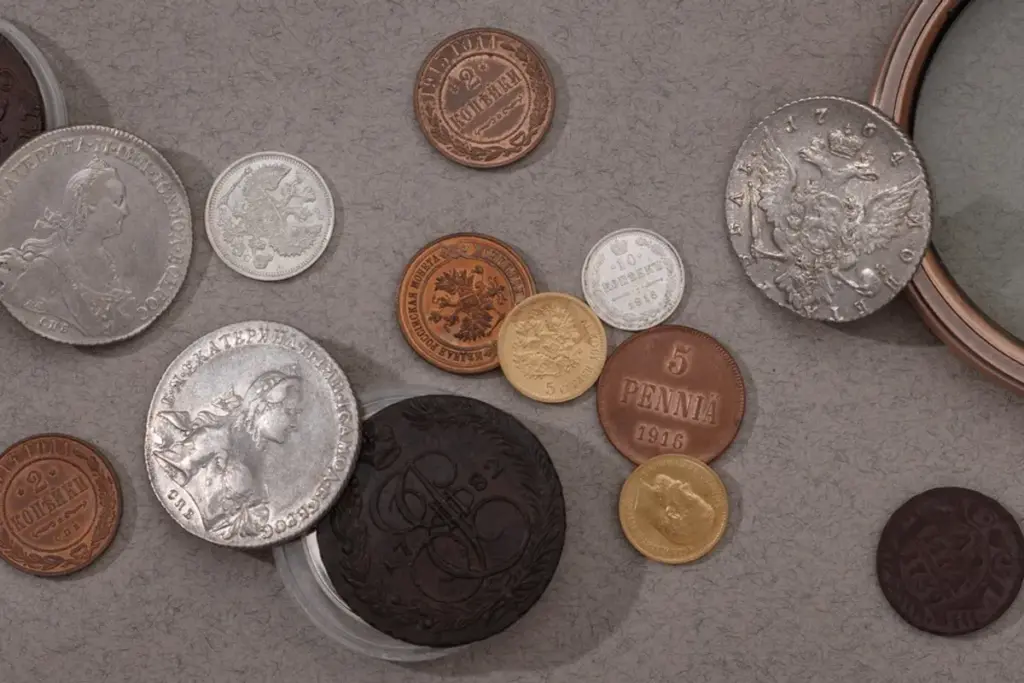
If you’ve been sitting on a collection of old silver coins and wondering whether now is the right time to cash in, you’re not alone. Every week, people walk into shops across the city looking to sell silver coins in NYCand a surprising number of them leave money on the table simply because they didn’t know what to look for beforehand. This guide is for those who want to walk in prepared, ask the right questions, and walk out with a fair deal.

Your Coins Are Probably Worth More Than You Think
Most people underestimate what they’re holding. A coffee can of old coins from a grandparent’s attic might look like pocket change, but silver content alone can make those pieces genuinely valuable. American coins minted before 1965, quarters, dimes, half dollars, contain 90% silver. That’s not trivia. That’s real metal value tied directly to the silver market.
Beyond the melt value, certain coins carry what’s called numismatic value, meaning collectors will pay a premium based on rarity, condition, and historical significance. A well-preserved Morgan dollar or a Peace dollar in strong condition can fetch considerably more than its silver weight alone would suggest. The mistake most sellers make is assuming a buyer will automatically factor this in. Some won’t. That’s why it pays to do a little homework first.
If you want a deeper look at what drives silver pricing before you walk in the door, this breakdown of silver price insights for NYC sellers is a solid starting point.
The Difference Between a Coin Dealer and a Precious Metals Buyer
Should I go to a coin dealer or a precious metals buyer?
It depends entirely on what you have. A precious metals buyer is generally the stronger choice for coins whose value is primarily in their silver content, they’ll price based on weight and purity, which is straightforward and transparent. A coin dealer, on the other hand, may be better positioned to evaluate rare or collectible pieces where numismatic value matters.
That said, an experienced precious metals buyer who also handles coins, like the team at The Precious Metals Group in NYCcan often assess both angles. They’re not going to pay you collector prices for a common coin, but they’re also not going to miss the fact that something unusual has landed on their desk.
Does the condition of my silver coins actually affect the offer?
Yes, significantly, but only up to a point. For coins being purchased purely for their silver content, condition matters less. The buyer is weighing metal, not grading surfaces. For coins with numismatic potential, condition can be the difference between a modest payout and a genuinely impressive one. Coins that have been cleaned, polished, or stored poorly often lose collector value even if the silver content is intact. Never clean your coins before selling. It’s one of the most common mistakes sellers make, and it almost always reduces what you’ll be offered.
How do I know if my coins are actually silver?
The easiest starting point is the date. For U.S. coins, pre-1965 dimes, quarters, and half dollars are 90% silver. Kennedy half dollars from 1965 to 1970 are 40% silver. After that, most circulating coins contain no silver at all. Foreign silver coins follow different rules, many older British, Canadian, and Mexican coins contain significant silver content, but the percentages vary. A reputable buyer will test and weigh everything on the spot, so you don’t need to be an expert walking in. You just need to know roughly what you have.

Preparing Before You Walk Through the Door
A little preparation goes a long way. Start by sorting your coins, separate U.S. from foreign, and try to identify anything that looks unusual or particularly old. You don’t need to grade them yourself, but having them loosely organized saves time and signals to the buyer that you’re a serious seller.
Don’t throw away original packaging or documentation. If you inherited coins that came with certificates of authenticity, original mint packaging, or purchase receipts, bring all of it. Provenance can add value, especially for limited-edition or proof coins.
For a more thorough walkthrough of how to get ready before any precious metals sale, this guide on how to prepare your gold and silver before selling in NYC covers the essentials well.
Is it better to sell all my coins at once or in batches?
Selling everything at once is usually the more practical approach, especially if the bulk of your collection is common silver coins valued by weight. Buyers are often more motivated when the volume is higher, and you avoid the time cost of multiple trips. The exception is if you believe you have a few genuinely rare pieces worth getting separately appraised, in that case, it can make sense to hold those back while selling the rest.
What Makes NYC’s Market Different
New York moves fast, and the precious metals market here reflects that. Buyers in this city see high volume, which means they’re generally more competitive on pricing than smaller markets. It also means they’ve seen everything, so trying to pass off a plated coin as solid silver isn’t going to work, and there’s no need to be nervous about bringing in something unusual.
The flip side is that not every buyer in the city operates the same way. Some are straightforward and transparent; others rely on sellers not knowing what they have. Getting a second opinion is always reasonable, and any reputable buyer will tell you the same thing. If someone pressures you to decide on the spot without explaining how they arrived at their number, that’s a signal worth paying attention to.
Whether you’re selling a handful of old dimes or a substantial inherited collection, the process doesn’t have to be complicated. Know roughly what you have, show up prepared, and work with a buyer who’s willing to walk you through their evaluation. That’s really all it takes to come out ahead.
Ready to find out what your coins are worth? Get an offer and see what a transparent, experience-backed appraisal actually looks like.
Frequently Asked Questions
I found a bunch of old coins in my grandmother’s apartment in Brooklyn, how do I even know if any of them are worth bringing in?
Start with the dates: U.S. dimes, quarters, and half dollars minted before 1965 are 90% silver, and Kennedy half dollars from 1965 to 1970 are 40% silver, so those are worth pulling out immediately. Anything foreign, particularly older British, Canadian, or Mexican coins, may also carry real silver content, though the percentages vary by country and year. You don’t need to identify everything yourself; a reputable buyer will test and weigh it all on the spot.
My coins are pretty beat up from sitting in a jar for decades, should I clean them up before getting an appraisal?
Do not clean them, no matter how rough they look, this is one of the most common mistakes sellers make and it almost always lowers what you’ll be offered. For coins being bought purely for their silver content, surface condition matters less anyway since the buyer is weighing metal, not grading it. For anything with potential collector value, cleaning destroys that premium entirely even if the silver underneath is perfectly intact.
I inherited a collection that came with some paperwork and original mint packaging, does any of that actually matter when I bring it in?
Yes, bring all of it, certificates of authenticity, original packaging, and purchase receipts can add value, particularly for limited-edition or proof coins where provenance matters to collectors. Don’t assume the paperwork is just clutter because the coins themselves look ordinary. A buyer who handles both silver content and numismatic value will factor that documentation into their evaluation.
How do I know if a buyer in NYC is giving me a fair number or just low-balling me because they think I don’t know what I have?
Ask them to walk you through how they arrived at the offer, a transparent buyer will explain the weight, the silver purity percentage, and the current market rate they’re working from. If someone pressures you to decide on the spot without breaking down their math, that’s a clear signal to walk out and get a second opinion. Getting another offer is always reasonable, and any reputable buyer will tell you the same thing.
I have maybe two or three coins that look unusual compared to the rest, should I sell everything together or handle those separately?
If you genuinely suspect a few pieces have collector value beyond their silver weight, like a well-preserved Morgan dollar or Peace dollar, it can make sense to hold those back and get them separately appraised while selling the rest of the common coins by weight. Selling everything at once is usually more practical when the bulk of what you have is common silver valued by metal content, and higher volume can make buyers more competitive on price. The key is not letting uncertainty about a couple of coins delay you from moving the rest of the collection.
Get Directions to The Precious Metals Group
🎧 Listen to this as a podcast
Also on Apple Podcasts, Spotify, and Amazon Music.