
Factors That Impact Jewelry Valuation
This article examines how various factors influence jewelry valuation and the reasons behind differing quotes.
Two people walk in with what looks like the same piece and walk out with very different numbers. That gap is not random, and it is not a negotiating tactic. Every figure a jewelry buyer quotes is built from a specific set of assessments, and understanding what those are gives sellers a much clearer sense of what to expect before they ever sit down across from a buyer. The factors below are the ones that move the number most, and the ones that cause the most confusion when sellers compare quotes from different sources.
Metal Content Is the Floor, Not the Ceiling
The metal in a piece sets a baseline, but that baseline is narrower than most sellers assume. A buyer starts by confirming the actual purity, not the stamp. Hallmarks get worn, pieces get repaired with lower-karat solder, and some older jewelry was marked generously by standards that no longer apply. Acid testing or electronic verification tells the real story.
Weight matters too, but only the weight of the recoverable metal. Stones, settings, and any non-metal components are factored out. A heavy-looking bracelet with a thick hollow construction can weigh far less in actual gold than a slender solid bangle. Sellers sometimes expect a quote based on total weight and are surprised when the buyer separates the calculation. That separation is standard practice, not a trick.
Platinum deserves a separate note. Its density means a small piece can carry significant metal value, and its purity conventions differ from gold. If you are considering selling platinum jewelry specifically, it is worth reading about how selling platinum in NYC differs from selling gold before you get your first quote.
Stone Quality Is Evaluated Independently
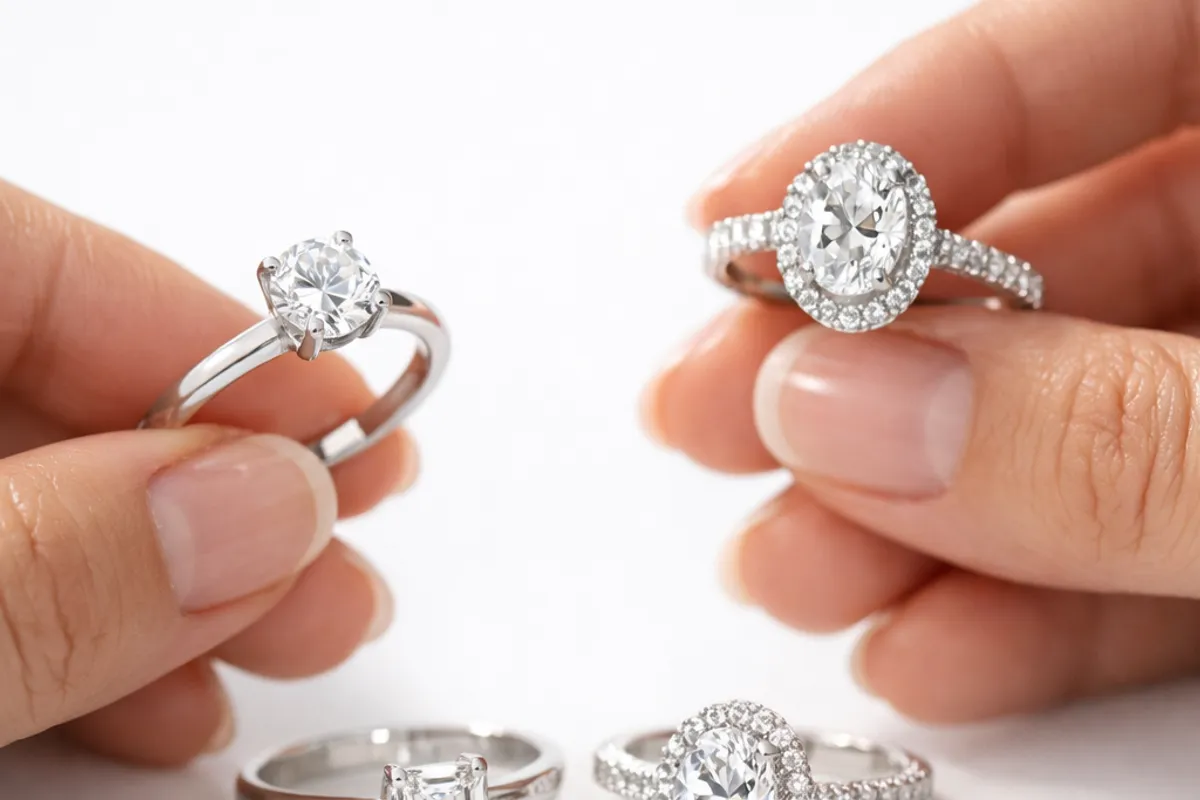
Diamonds and colored stones are not bundled into the metal price. They are assessed on their own merits, and that assessment follows a different logic entirely. For diamonds, the four standard quality measures all factor in, but so does current market demand for that particular size and shape. A one-carat round brilliant in strong condition trades differently than a one-carat cushion cut of comparable grade, because buyer demand for each shape shifts over time.
Colored stones are harder to price quickly. Rubies, sapphires, and emeralds vary enormously by origin, treatment history, and whether they carry any documentation. An unpapered stone of genuine quality will almost always receive a more conservative offer than the same stone with a credible laboratory report. The Precious Metals Group notes that sellers who bring any existing certificates or appraisals, even old ones, give buyers a faster path to an accurate number because the documentation reduces the uncertainty the buyer has to price into the offer.
Small accent stones, including pavé diamonds and channel-set rounds below a certain size, are often valued at scrap rather than individually. Buyers cannot resell tiny stones efficiently, so they are typically priced as part of the metal recovery rather than as individual gems.
Condition and Provenance Shift the Calculation
Structural condition affects value in ways that go beyond cosmetics. Prongs that are worn down, clasps that have been resoldered multiple times, or shanks that have been sized so many times the metal is thin, all reduce what a buyer can realistically recover or resell. A piece in unworn condition with original components commands a meaningfully different offer than the same design in rough shape.
Maker and provenance can push a piece above its material value, but only when the attribution is verifiable. A signed piece from a recognized house carries a premium if the signature is clear and the piece is consistent with that maker’s known work. An unsigned piece that a seller believes is from a particular maker is valued on its materials alone. Buyers cannot pay for a story they cannot verify.
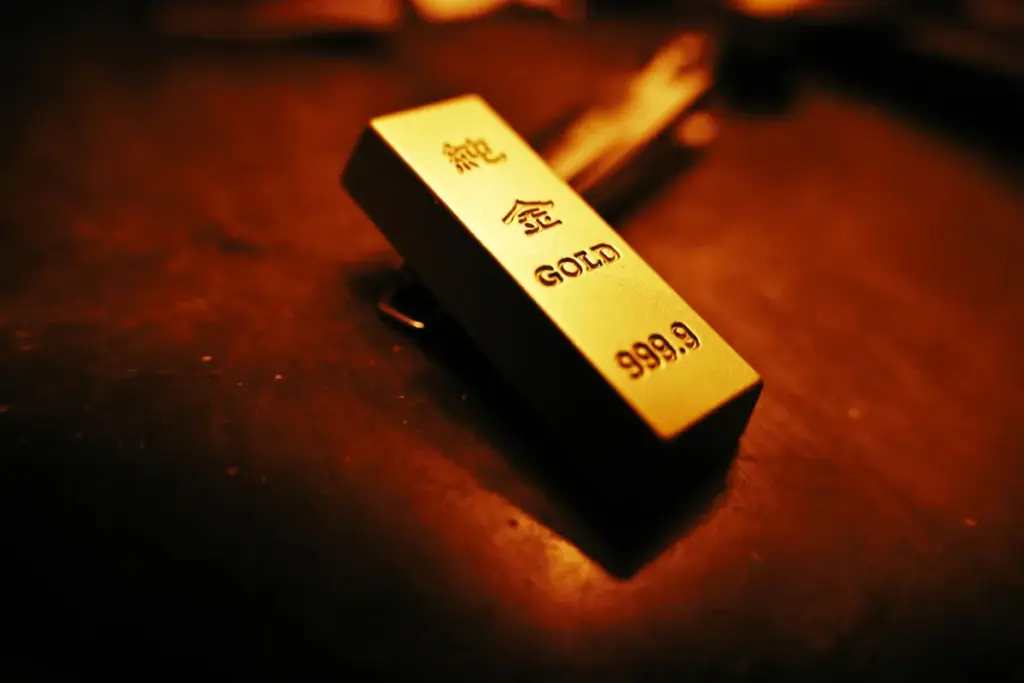
This is one area where the fine jewelry market differs sharply from bullion. A plain gold bar is worth its weight. A piece of jewelry with a strong maker attribution, original box, and purchase documentation is worth a conversation about collectible value on top of the metal. That conversation only happens when the evidence is there to support it.
Why Two Quotes Can Look So Different
Different buyers have different end markets. A buyer who sells directly to collectors can pay more for a signed Art Deco brooch than a refiner who will melt it. A buyer focused on diamond resale can pay closer to retail replacement value for a well-documented stone than one who sells primarily to other dealers. The quote reflects the buyer’s own cost structure and distribution channel, not just the piece itself.
Overhead matters too. Buyers operating with lower costs can offer tighter margins without losing money. For sellers in Chelsea and across NYC, comparing a few offers from established buyers is reasonable and expected. The Precious Metals Group recommends bringing any supporting documentation you have, arriving with realistic expectations about metal spot pricing, and asking each buyer to explain the main components of their offer. A buyer who can itemize the calculation is one you can trust.
If you want to understand how precious metal values factor into a broader offer, the sell precious metals NYC page covers how The Precious Metals Group approaches that side of the assessment.
The Precious Metals Group serves customers throughout NYC, including those coming from Chelsea, and operates as a straightforward resource for anyone working through a jewelry sale. The office is located at 30 W 47th St Suite 906, 9th Floor, New York, NY 10036. Reach them at (212) 840-0415 with questions before or after an in-person visit.
Frequently Asked Questions
What should I bring when selling my jewelry?
It’s helpful to bring any existing certificates or appraisals you have, even if they are old. This documentation can provide buyers with a clearer picture of your piece’s value and expedite the assessment process.
How is the value of my jewelry calculated?
The value is based on several factors, including the metal content, the quality of any stones, and the condition of the piece. Each component is assessed separately, and the buyer will itemize the calculation to explain how they arrived at their offer.
What common mistakes do sellers make when getting quotes?
One common mistake is expecting the quote to reflect the total weight of the jewelry, rather than just the recoverable metal. Additionally, sellers often underestimate the importance of the condition and provenance, which can significantly affect the offer.
Why do quotes from different buyers vary so much?
Different buyers have different end markets and cost structures, which can lead to varying offers. A buyer who sells directly to collectors may offer more for a signed piece than a refiner who plans to melt it down.
Get Directions to The Precious Metals Group
🎧 Listen to this as a podcast
Also on Apple Podcasts, Spotify, and Amazon Music.
The Precious Metals Group buys gold, silver, platinum, diamonds and luxury watches at 30 W 47th St, Suite 906, in the Diamond District — walk-ins weekdays 10am to 6pm. See what we pay for gold.