
Common Mistakes When Selling Fine Jewelry to a Buyer
Avoid common mistakes that can cost you time and money when selling your fine jewelry.
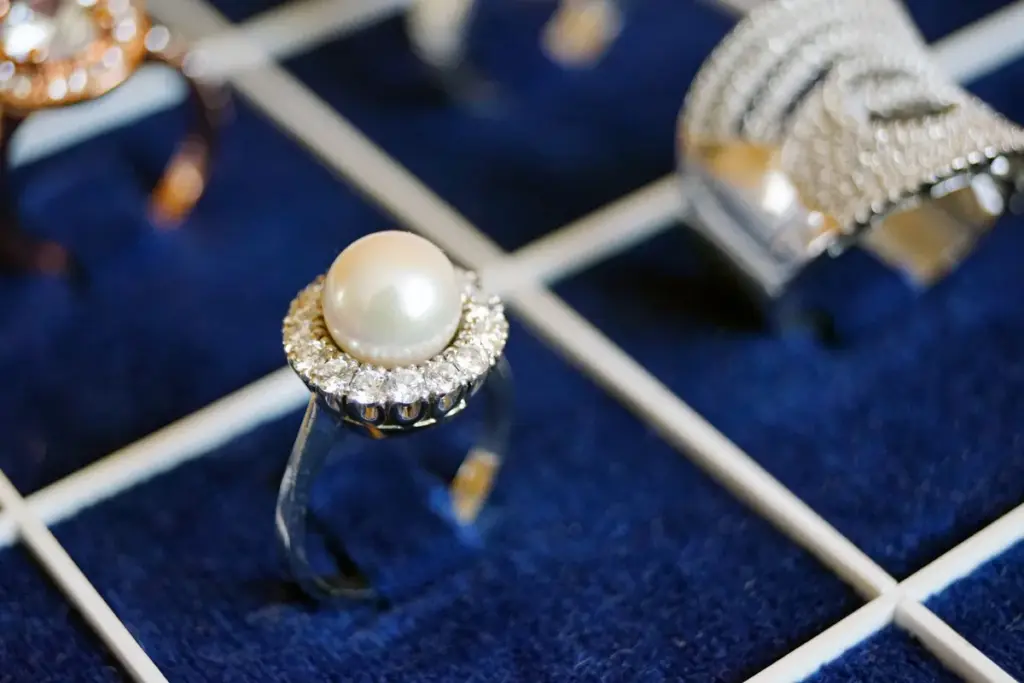
Selling jewelry without knowing your metal’s spot price that day is one of the fastest ways to leave money on the table. Gold, platinum, and silver prices shift daily, sometimes significantly. Walking into any buyer without that number in hand means you have no baseline to judge whether an offer is fair or insulting. Pull the spot price from Kitco or the CME Group before you go anywhere. That single step costs nothing and takes two minutes.
Accepting the First Offer Without Understanding What Drives It
Most sellers accept the first number they hear. That is a mistake. Offers from jewelry buyers are calculated against the melt value of the metal, the stone quality, and the buyer’s own margin requirements. A 14-karat gold chain and an 18-karat diamond tennis bracelet are priced on completely different logic. The Precious Metals Group sees this constantly with fine jewelry in NYC: sellers assume all gold pieces are evaluated the same way, then feel blindsided when a heavily gemmed piece gets a lower per-gram offer than a plain gold bangle. The stones, not the gold, are often the complication.
Diamonds below 0.50 carats rarely add meaningful value to a buyer’s offer. Melee stones in pavé settings are expensive to remove and usually not worth the labor cost to a buyer. Knowing this going in helps you set realistic expectations rather than walking out angry over a number that was actually fair.
Get at least two offers. Three is better. In a city like NYC, where buyers are concentrated in the Diamond District around 47th Street and Herald Square, comparison shopping takes an afternoon, not a week.
Bringing Jewelry Without Documentation or Provenance
Original receipts, appraisals, and certificates from GIA or AGS do not always increase the cash offer dramatically. But they do one important thing: they speed up the evaluation and remove doubt. A buyer who has to spend extra time testing an unmarked piece for metal content, or who cannot verify a diamond’s grading, will price in that uncertainty. Uncertainty costs the seller.
Hallmarks matter. A piece stamped 750 (18-karat gold) or PT950 (platinum) gets evaluated faster and with more confidence than an unmarked piece that has to go through acid testing or XRF analysis. If your jewelry has hallmarks, point them out. Do not assume the buyer will find them immediately on a complex setting.
Appraisals for insurance replacement value are almost always higher than what a buyer will pay. That is not deception. Replacement appraisals reflect retail replacement cost. A buyer is purchasing at wholesale and reselling or melting. The Precious Metals Group advises clients regularly on fine jewelry valuations in NYC: an insurance appraisal of $4,000 on a diamond ring does not mean a buyer will offer $4,000, or anything close to it. Expecting otherwise leads to frustration that could have been avoided with a five-minute conversation beforehand.
Misjudging Which Items Have Resale Value Versus Melt Value
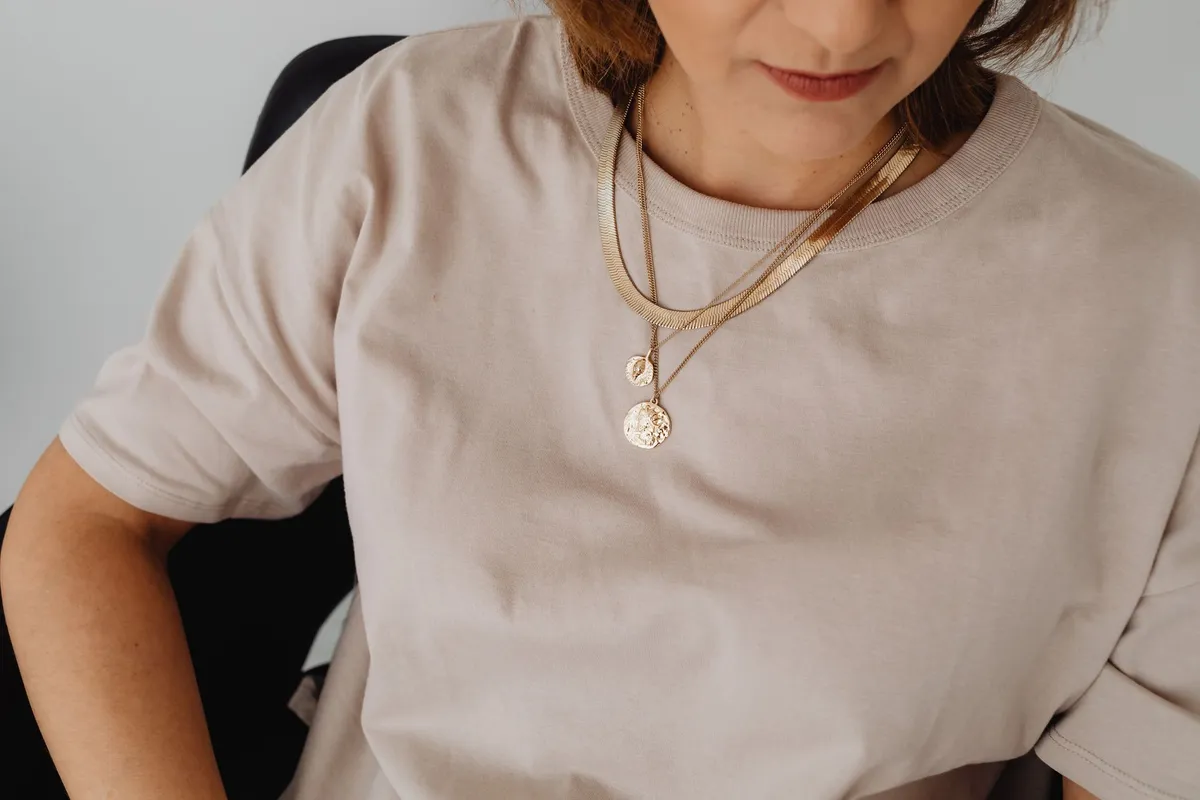
Not everything is worth more as jewelry than as metal. Broken chains, bent settings, and heavily worn pieces with no designer provenance will almost always be purchased for melt value only. Signed pieces are different. A Cartier Love bracelet, a Tiffany Elsa Peretti cuff, or a Van Cleef and Arpels Alhambra necklace carries brand premium that a reputable buyer will factor in, because there is a resale market for those pieces intact. Melting a signed Cartier piece is a loss for everyone.
The mistake sellers make is not knowing which category their piece falls into. Learning how buyers assess jewelry value before your appointment helps you ask the right questions and push back intelligently if a signed piece is being priced at melt. Generic department store jewelry from the 1990s almost never carries a resale premium. A Bulgari Serpenti does. Know the difference before you walk in.
Skipping the Verification Step on the Buyer Themselves
This one is blunt: not every jewelry buyer in NYC operates with the same standards. Some buyers use scales that are not properly calibrated. Some quote a price verbally and adjust it downward at the moment of payment. Legitimate buyers will show you the scale reading, explain how they calculated the offer, and give you time to decide without pressure.
Check for a physical address, not just a pop-up table or a website. Ask how long they have been operating. A buyer with years of documented transactions in NYC is a different proposition than one running a weekend cash-for-gold table. Understanding what separates reputable jewelry buyers from opportunistic ones is worth doing before you hand over a piece you cannot replace.
Never hand over jewelry before the offer is fully explained and agreed to. That sounds obvious. It is ignored constantly.
The Precious Metals Group has operated as a trusted jewelry buyer for fine jewelry clients across NYC for years, and can be reached at 30 W 47th St Suite 906, 9th Floor, New York, NY 10036, or by phone at (212) 840-0415. If you have questions about a specific piece before committing to anything, a conversation costs nothing.
Frequently Asked Questions
What should I prepare before selling my fine jewelry?
Before selling your fine jewelry, gather any documentation you have, such as appraisals, receipts, or certificates of authenticity. Make sure to clean the jewelry and have it in good condition to present it effectively to potential buyers.
How does the jewelry selling process work?
The selling process typically involves an initial evaluation of your jewelry, where a buyer assesses its quality and value. After that, you will receive an offer based on the evaluation, and if you agree, the transaction can be completed promptly.
What are common mistakes to avoid when selling fine jewelry?
Common mistakes include failing to research the current market value of your jewelry, not having proper documentation, and being unprepared to negotiate. Additionally, selling to the first buyer without exploring other options can lead to missing out on better offers.
What costs are involved in selling my jewelry?
While there may not be direct fees for selling your jewelry, you should be aware that the offer you receive may reflect the buyer’s need to cover their costs and profit margin. Understanding this can help you set realistic expectations for the amount you will receive.
Get Directions to The Precious Metals Group
🎧 Listen to this as a podcast
Also on Apple Podcasts, Spotify, and Amazon Music.
The Precious Metals Group buys gold, silver, platinum, diamonds and luxury watches at 30 W 47th St, Suite 906, in the Diamond District — walk-ins weekdays 10am to 6pm. See what we pay for gold.