
What to Look for in a Jewelry Buyer for Estate Pieces
Selecting a jewelry buyer for your estate pieces requires knowing what qualities to prioritize.
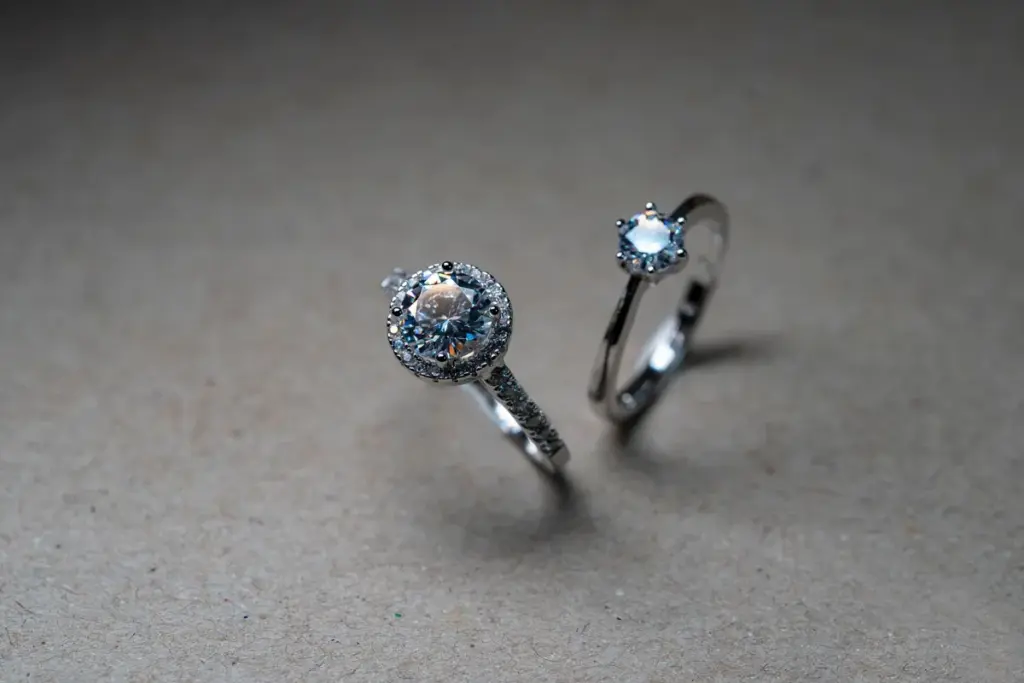
The Credentials That Actually Separate Buyers Worth Trusting
Most people selling inherited jewelry make the same mistake: they walk into the first shop they find and accept whatever number gets written on a sticky note. That number is almost always low. The buyer counts on the seller not knowing any better, and in many cases, they’re right.
A legitimate buyer should hold a gemological credential, typically a GIA Graduate Gemologist designation or equivalent. That matters because older heirloom pieces often contain stones that require real identification, not a quick glance under a loupe. An Art Deco brooch might carry old European-cut diamonds, which grade differently than modern rounds. A Victorian mourning ring might have paste stones that look like sapphires. Misidentification costs sellers money. Ask the buyer directly: who in your operation has gemological training, and can they explain the grading criteria they use?
Licensing matters too. In New York, secondhand dealers are required to hold a license issued through the city. Ask to see it. A buyer operating near the Garment District, where jewelry transactions happen at serious volume, should have no hesitation producing that documentation.
Does a buyer need to be a gemologist to appraise estate jewelry fairly?
No, but they need access to one. A buyer who handles older pieces regularly will either hold a gemological credential themselves or work directly with a GIA-trained gemologist on staff. Without that, stone identification is guesswork, and guesswork always goes against the seller.
What documents should a seller bring to a jewelry buying appointment?
Bring anything you have: prior appraisals, original receipts, certificates from GIA or AGS, and any provenance documentation. None of it is required, but it gives the buyer context and can support a stronger offer, particularly for signed pieces or those from known estates.
How the Offer Process Should Actually Work
A credible buyer separates the evaluation into components. For a piece with diamonds and a platinum setting, they should quote the stone value and the metal value independently. That transparency matters. If a buyer gives you one lump number with no breakdown, you have no way to verify whether either component was assessed correctly.
The Precious Metals Group takes this approach consistently with clients: break the item into its parts, explain the methodology for each, and let the seller see the math. That’s not a courtesy. It’s the only way a seller can make an informed decision about whether to accept or walk away.
Platinum, for instance, is priced differently than white gold, and the spread between them can be significant depending on market conditions. If a buyer calls your grandmother’s platinum-set ring “white gold” without testing it, that’s either incompetence or deliberate undervaluation. A proper XRF metal analyzer or acid test should be used on-site, in front of you.
Turnaround matters too. A serious buyer should be able to give you a written offer the same day. If they ask you to leave the piece overnight before they can assess it, that’s a red flag. You should never hand over jewelry to a buyer before receiving a written offer.
Should you get multiple offers before selling inherited jewelry?
Yes, always. Getting two or three offers takes a few hours and can meaningfully change the outcome. The spread between a low offer and a fair one is often 20 to 40 percent on complex pieces, and sometimes more on signed designer work.
How long does a jewelry appraisal and offer take at a reputable buyer?
For most pieces, a thorough evaluation takes 20 to 45 minutes on-site. More complex lots, such as full estate collections with multiple stone types and mixed metals, may take longer, but a buyer who says they need several days to assess a single ring is stalling.
Signed and Designer Pieces Require a Different Kind of Knowledge
Cartier, Van Cleef and Arpels, Tiffany, Bulgari, and similar houses command premiums that go well beyond the metal and stone weight. A buyer who only works from spot prices and stone grades will undervalue signed work every time. That premium is real. It reflects collector demand, brand recognition, and the secondary market for authenticated pieces.
The Precious Metals Group specifically notes this as one of the most common sources of seller loss in NYC: someone brings in a signed piece, the buyer ignores the maker’s mark entirely, and pays only for the material content. The seller, not knowing the difference, accepts it.
Before any appointment, photograph the hallmarks, maker’s marks, and any cartouches on the piece. Research the maker if you can. Auction records from Christie’s, Sotheby’s, and Bonhams are publicly searchable and give you a realistic sense of what comparable signed pieces have actually sold for. That research takes an hour and can protect thousands of dollars.
For pieces with significant diamond content, understanding the process of selling diamonds in NYC separately from the mounting is worth exploring. Sometimes the stone and the setting are better sold through different channels.
Red Flags That Should End the Conversation
Pressure is the clearest signal. Any buyer who tells you the offer expires in an hour, or who implies that prices are about to drop and you need to decide now, is manufacturing urgency. Real buyers make offers that stand for a reasonable period because they’re confident in their assessment.
A buyer who won’t test metal on-site, won’t produce credentials, or who deflects questions about their process should be left immediately. Same for any operation that won’t give you a written offer before you hand over the piece.
Cash-only operations with no paper trail are worth scrutiny. Not every cash buyer is operating badly, but the absence of any receipt or transaction documentation is a problem if a dispute arises later. Reputable buyers in NYC, including those operating in the Garment District’s jewelry corridor, provide written documentation as standard practice.
If you’re also holding precious metals outside of jewelry form, understanding the broader market through a resource like selling precious metals in NYC can help you approach those transactions with the same informed framework.
The Precious Metals Group operates at 30 W 47th St Suite 906, 9th Floor, New York, NY 10036, and can be reached at (212) 840-0415. For sellers working through inherited collections or estate pieces that require careful, component-by-component evaluation, they are a well-established resource for transparent, credential-backed offers in NYC.
Frequently Asked Questions
What should I bring to my appointment with a jewelry buyer?
Bring anything you have related to the jewelry, such as prior appraisals, original receipts, GIA or AGS certificates, and provenance documentation. While not required, these documents provide context that can support a stronger offer, especially for signed pieces or those from known estates.
How do I know if a jewelry buyer is credible?
A credible buyer should have gemological credentials, such as a GIA Graduate Gemologist designation, or work closely with one. They should also be licensed if operating in regulated areas like New York, and be transparent about their evaluation process, providing a breakdown of the offer by components.
What is the typical process for getting an offer on my jewelry?
The process typically involves a thorough on-site evaluation that takes about 20 to 45 minutes for most pieces. A serious buyer should provide you with a written offer the same day, and you should never leave your jewelry with them before receiving this offer.
What common mistakes should I avoid when selling jewelry?
A common mistake is accepting the first offer without shopping around; getting multiple offers can reveal a significant spread in values. Additionally, avoid buyers who pressure you for a quick decision or who refuse to test the metal on-site, as these are red flags that indicate a lack of transparency or expertise.
Get Directions to The Precious Metals Group
🎧 Listen to this as a podcast
Also on Apple Podcasts, Spotify, and Amazon Music.
The Precious Metals Group buys gold, silver, platinum, diamonds and luxury watches at 30 W 47th St, Suite 906, in the Diamond District — walk-ins weekdays 10am to 6pm. See what we pay for gold.