
Understanding the Jewelry Buyer Process: a Step-by-step Guide to Selling Your Gold
Navigate the jewelry selling process with our clear guide for a smoother experience.
Most people walking into a jewelry buyer for the first time have the same concern: they do not know what to expect, and that uncertainty makes them hesitant to trust the process. The reality is that selling jewelry to a professional buyer follows a clear, repeatable sequence, and understanding each step beforehand puts you in a much stronger position. Whether you are liquidating an estate, parting with a broken gold chain, or selling a diamond ring you no longer wear, the mechanics are the same. Knowing them means you can evaluate any offer intelligently and walk away satisfied.
What Happens During the Initial Assessment
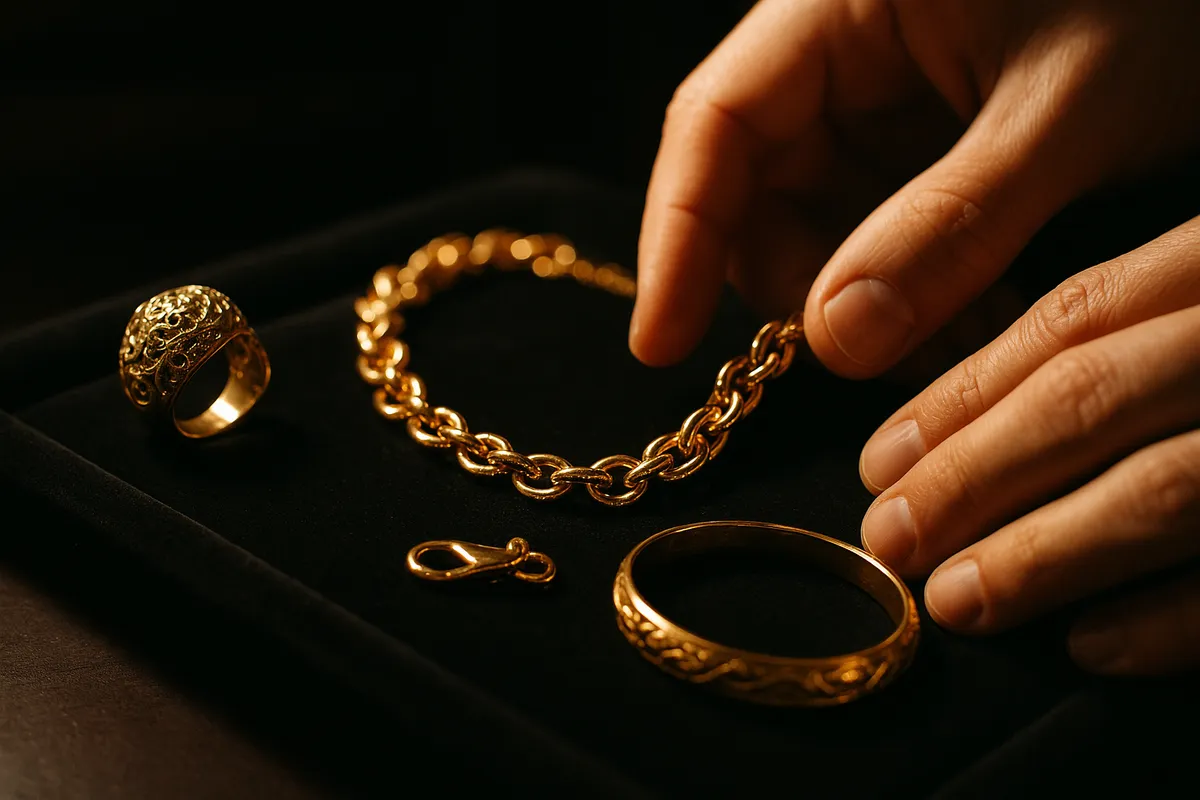
The process begins the moment you hand over your pieces. A qualified buyer will examine each item under good lighting, often with a loupe or magnification tool. The first thing being evaluated is metal content. For gold, this means identifying the karat stamp, typically found on a clasp, inside a ring shank, or on a pendant bail. Common marks are 10K, 14K, 18K, and 24K, though older or imported pieces may use European hallmarks like 585 or 750, which correspond to 58.5% and 75% gold purity respectively.
If no stamp is visible, or if the stamp’s authenticity is in question, a reputable buyer will test the metal. Acid testing is the traditional method: a small scratch is made on a testing stone, and acids of known concentration are applied to gauge how the metal reacts. More advanced buyers use XRF (X-ray fluorescence) analyzers, which provide a non-destructive, highly accurate read of metal composition in seconds. You should expect this step and not be alarmed by it. It protects both parties.
Diamonds and gemstones are assessed separately. A buyer will check cut, clarity, carat weight, and color using standard grading references. Stones are weighed either loose or estimated in-setting. Certified stones, those accompanied by a GIA or AGS report, are easier to price accurately and typically command stronger offers.
How Offers Are Calculated
Once metal content and stone quality are established, the buyer calculates an offer based on current spot prices. Gold spot price is the live market rate per troy ounce for pure gold. Your 14K piece, for example, is 58.5% pure, so the buyer multiplies the piece’s weight in troy ounces by the spot price, then by 0.585. From that raw melt value, the buyer applies a margin to cover refining costs, overhead, and profit. A transparent buyer will show you this math or at least explain the components clearly.
This is where the gold trade separates professional buyers from opportunistic ones. Legitimate buyers work from published spot prices, which you can verify yourself on any financial data site before you walk in. If a buyer cannot or will not explain how they arrived at a number, that is a meaningful red flag. The offer you receive should feel like a calculation, not a guess.
Buyers who specialize in finished jewelry, rather than pure scrap, may also factor in the retail or secondary market value of a piece. A well-made signed piece, a designer brand, or an antique with collector appeal can fetch more than its melt value. This is worth knowing before you sell anything with a maker’s mark or a recognizable design.
Negotiation, Paperwork, and Payment
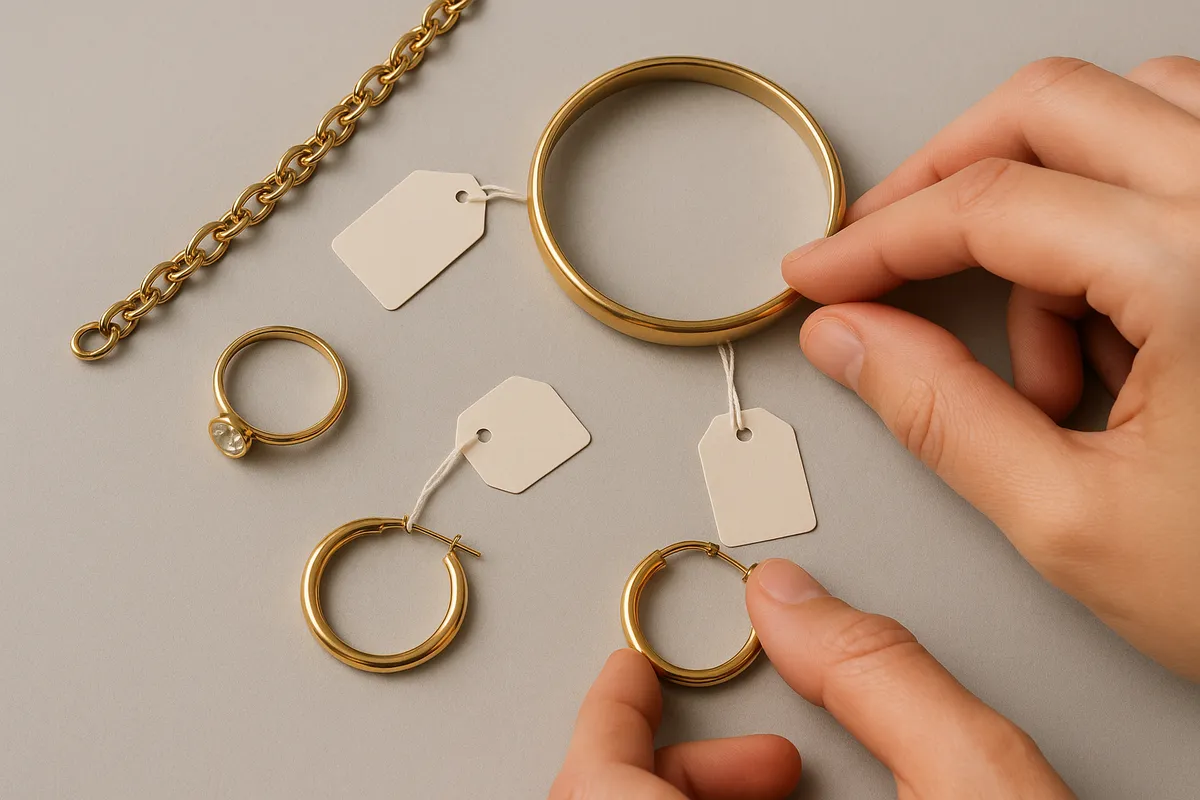
Once an offer is presented, you are under no obligation to accept it immediately. A trustworthy buyer expects questions and welcomes comparison. If you are in the NYC area, it is worth visiting more than one buyer, particularly along the 47th Street jewelry district near Times Square, where multiple professional buyers operate in close proximity. Comparing two or three offers takes less than an hour and can meaningfully affect your outcome.
When you accept an offer, the buyer will ask for a government-issued photo ID. This is a legal requirement in New York, not a formality. Jewelry buyers are required to maintain transaction records, and this documentation protects sellers as well. You will typically receive a receipt describing the items sold and the agreed price.
Payment is usually made immediately, either in cash or by check. Some buyers offer bank transfer for larger transactions. Clarify the payment method before you commit, and make sure the receipt you receive matches what you handed over in description and quantity. Understanding what documentation to expect from a jewelry sale can help you feel confident throughout this stage.
What Separates a Good Buyer from a Poor One
The clearest indicator of a professional operation is transparency. A good buyer explains their testing method, shows you the scale reading, references the day’s spot price, and itemizes the offer. They do not rush you, pressure you, or make the process feel opaque. They also do not lowball dramatically on the assumption that sellers are uninformed.
Experience in the gold trade matters because it shapes how a buyer handles edge cases: unusual alloys, antique construction techniques, stones set in ways that make weight estimation tricky, or pieces with both scrap and collector value. Depth of knowledge shows in these moments. Learning more about how professional jewelry buyers evaluate precious metals can give you a useful baseline before your appointment.
The Precious Metals Group has served clients across the NYC area as a professional jewelry buyer with a reputation built on straightforward transactions and accurate assessments. Their office is located at 30 W 47th St Suite 906, 9th Floor, New York, NY 10036, and can be reached at (212) 840-0415. If you are preparing to sell and want to understand the process before you walk in, they are a reliable starting point.
Frequently Asked Questions
What is the best way to navigate the Times Square area?
Times Square is highly walkable, but public transportation is often the most efficient way to get around. The subway stations are conveniently located, and buses also service the area. Taxis and rideshare services are readily available, especially during peak hours.
Are there any local events that might attract jewelry enthusiasts in Times Square?
Times Square regularly hosts events such as fashion shows, art installations, and pop-up markets that may feature local artisans, including jewelry makers. These events can provide opportunities to discover unique pieces and local trends in jewelry.
Where can I find reputable jewelry services in Times Square?
The Times Square area has several reputable jewelers and jewelry buyers, ranging from established businesses to boutique shops. Many of these establishments offer appraisals, repairs, and buying services, making it easy to find professionals in the neighborhood.
What are the peak hours for foot traffic in Times Square?
Foot traffic in Times Square peaks during the late afternoon to evening, especially on weekends and during major events. This bustling atmosphere can be beneficial for local businesses, including those in the jewelry sector, as many visitors seek to explore the area and make purchases.
Get Directions to The Precious Metals Group
🎧 Listen to this as a podcast
Also on Apple Podcasts, Spotify, and Amazon Music.
The Precious Metals Group buys gold, silver, platinum, diamonds and luxury watches at 30 W 47th St, Suite 906, in the Diamond District — walk-ins weekdays 10am to 6pm. See what we pay for gold.