
Understanding Different Types of Precious Metals in Jewelry
Learn about the different precious metals commonly found in jewelry and their properties.
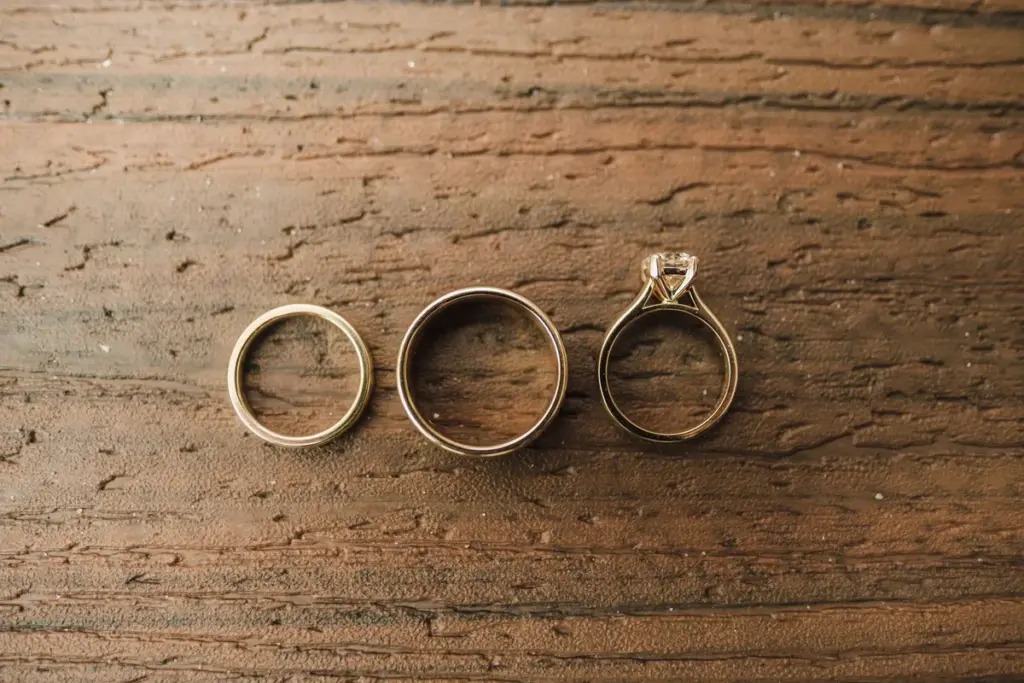
Gold, silver, platinum, and palladium each behave differently in a jewelry setting, and that difference matters enormously the moment you try to sell, repair, or appraise a piece. Most people walk in holding something they assume is solid gold and leave surprised. The metal type, the alloy composition, and the purity stamp on the piece are what actually move the needle on value. Not the design. Not the age. The metal itself.
Gold Alloys and What the Karat Numbers Actually Mean
What does 14K gold mean compared to 18K?
14K gold is 58.3% pure gold by weight, with the remainder made up of alloy metals like copper, silver, or zinc. 18K is 75% pure gold. That 16-point difference in purity translates directly into a meaningful price gap when you sell. A 14K chain and an 18K chain of identical weight are not worth the same amount, and buyers who do not check the stamp before quoting a price are guessing.
Karat stamps in the U.S. run 10K, 14K, 18K, and 24K. European pieces often use millesimal fineness instead: 585 for 14K, 750 for 18K, 999 for fine gold. Both systems say the same thing in different languages. The Precious Metals Group routinely sees estate pieces with European stamps that clients have misread as model numbers or serial codes. Getting that identification right is the first step before any valuation makes sense.
Color also signals alloy content. White gold is typically yellow gold mixed with nickel or palladium and then rhodium-plated. Rose gold gets its color from a higher copper ratio. Neither color changes the karat, but both affect how the piece behaves over time and what a refiner will pay for it.
Does gold color affect resale value?
Color alone does not change the melt value, but it can affect buyer interest in the secondary market. A well-preserved rose gold piece in a desirable style may fetch more from a private buyer than its melt value suggests. For scrap purposes, the refiner cares only about purity and weight. If you are selling gold in NYCknowing which route makes sense for your specific piece is worth asking about before you commit to a number.
Silver: More Complicated Than It Looks
Is sterling silver worth selling?
Sterling silver is 92.5% pure silver, stamped 925. It is worth selling, though the per-ounce price for silver runs substantially lower than gold, so volume matters more. A single sterling ring may not move the needle much. A full flatware set, a tea service, or a collection of hollowware is a different conversation entirely.
Coin silver, which runs around 90% purity, shows up in older American pieces and pre-1965 U.S. coins. Fine silver, stamped 999, appears in bullion bars and some contemporary jewelry. Each has a different purity, a different refining cost, and a different buyer pool. The noble metals Group sees a lot of mixed lots in NYC, where estate sales pull together pieces from multiple decades and multiple countries, each with its own standard.
One thing worth knowing: silver tarnishes. Heavy tarnish does not reduce the metal’s value, but it can make stamps impossible to read without cleaning. A jeweler’s loupe and a quick polish often reveal a 925 stamp that was completely hidden. Do not assume an unmarked piece is not silver.
If you have accumulated a collection and want to understand what it is actually worth, selling silver in NYC through a buyer who tests on-site is far more reliable than guessing from online calculators.
Platinum and Palladium: The White Metals That Are Not Interchangeable
How is platinum different from white gold?
Platinum is denser and purer in its jewelry form than gold alloys. Most platinum jewelry runs 85% to 95% pure, stamped 850, 900, or 950. White gold, by contrast, is typically 58.3% to 75% gold. Platinum is heavier. A platinum ring and a white gold ring of identical size will have noticeably different weights in your hand. That density is also why platinum commands a higher price per gram at the refiner, though spot prices for platinum have historically traded at a wide range relative to gold, sometimes above, sometimes well below.
Palladium is platinum’s lighter cousin. It belongs to the same metal family, takes a similar white color, and has been used in jewelry since white gold alternatives became popular. Palladium stamps typically read 500 or 950. Its market price is separate from platinum and can diverge significantly. Treating them as the same metal is a mistake that costs sellers real money.
In Chelsea and across the broader NYC jewelry district, platinum pieces are common in estate collections from the mid-20th century, when the metal was the prestige choice for engagement rings and fine brooches. Identifying these correctly before selling is not optional. Selling platinum in NYC through a buyer who tests with XRF equipment rather than eyeballing the color is the only way to get an accurate offer.
Testing Methods and Why They Matter for Sellers
What is the most accurate way to test jewelry metal?
XRF (X-ray fluorescence) analysis is the gold standard for non-destructive metal testing. It reads the elemental composition of a piece in seconds without scratching or damaging it. Acid testing is older and still used, but it is less precise and requires a small scratch on the metal. Magnet testing is useful only as a quick filter: gold, silver, platinum, and palladium are not magnetic, so a piece that sticks to a magnet is not what it claims to be. That is the beginning of the process, not the end.
The valuable metals Group advises clients to be skeptical of any buyer who quotes a price without testing first. A visual inspection of the stamp is not enough. Stamps can be wrong, pieces can be plated, and alloy compositions vary. Testing takes two minutes. Skipping it is how sellers end up with low offers and buyers end up with problems.
For anyone in NYC dealing with a mixed collection of jewelry, coins, or flatware, getting a proper assessment from an experienced buyer is the most straightforward path to understanding what you actually have.
The rare metals Group operates as a trusted jewelry buyer resource in NYC, with deep experience across gold, silver, platinum, and palladium in all their forms. The team is located at 30 W 47th St Suite 906, 9th Floor, New York, NY 10036. Reach them at (212) 840-0415.
Frequently Asked Questions
How does the testing process work for jewelry?
The most accurate way to test jewelry metal is through XRF (X-ray fluorescence) analysis, which reads the elemental composition without damaging the piece. Acid testing is also used but is less precise, requiring a small scratch on the metal. It’s important to have testing done before accepting any offers, as a visual inspection alone may not reveal the true value.
What should I prepare before selling my jewelry?
Before selling your jewelry, ensure you have any relevant documentation, such as receipts or certificates that indicate the metal type and purity. It’s also helpful to clean your pieces, as heavy tarnish can obscure stamps and affect their evaluation. Bring your items to a buyer who tests on-site for the most reliable assessment.
What common mistakes should I avoid when selling jewelry?
A common mistake is assuming that all unmarked pieces are not valuable; many may still be silver or gold but require cleaning to reveal their stamps. Additionally, do not rely solely on online calculators for value; each piece’s worth can vary significantly based on its actual composition and condition. Always have your items tested properly before selling.
How does alloy composition affect the value of my gold jewelry?
The alloy composition affects the purity and, consequently, the value of your gold jewelry. For example, 14K gold is 58.3% pure, while 18K gold is 75% pure, leading to a meaningful price difference when selling. Buyers should check the karat stamp to avoid undervaluing their pieces.
Get Directions to The high-value metals Group
🎧 Listen to this as a podcast
Also on Apple Podcasts, Spotify, and Amazon Music.
The Precious Metals Group buys gold, silver, platinum, diamonds and luxury watches at 30 W 47th St, Suite 906, in the Diamond District — walk-ins weekdays 10am to 6pm. See what we pay for gold.