
What Customers Don’t Realize About Jewelry Emotional Value
Examine how sentiment influences the selling process for jewelry in this vibrant area.
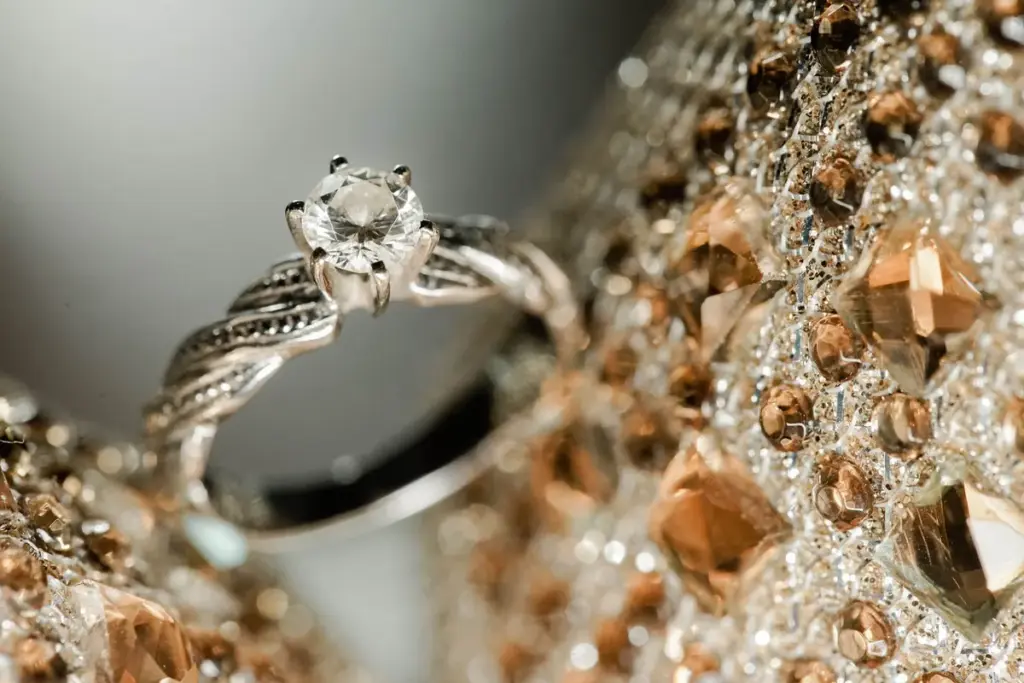
Most people who walk into a buying appointment carrying inherited pieces think the hardest part is deciding to sell. It isn’t. The hardest part is separating what something meant from what it is worth, and understanding that a good buyer respects both without confusing them. Emotional value is real, but it doesn’t change the metal content, the stone quality, or the market rate. A skilled buyer’s job is to give you an honest number while making sure you feel heard, not pressured, and not rushed.
That gap, between what something means and what a buyer can pay, is where most appointments either go well or fall apart. The cases that go smoothly are the ones where the customer comes in knowing the difference. The complicated ones are the ones where they don’t, and where a less careful buyer would exploit that confusion rather than address it.
When a Case Is Straightforward and When It Isn’t
A straightforward appointment usually involves items the customer already understands. A gold chain with a known karat stamp, a silver tray with clear hallmarks, a set of coins that the customer knows are pure metal rather than collectibles. The buyer tests, confirms, weighs, and makes an offer based on current market conditions. The customer either accepts or declines. The whole thing can take twenty minutes.
Complicated cases look different. A grandmother’s brooch that the family believes is platinum but turns out to be white gold. A ring with a center stone that was described for decades as a diamond but tests as moissanite. A collection of silver pieces mixed with silver-plated items, where the customer has no idea which is which. In those situations, the emotional investment is often highest and the gap between expectation and reality is widest. The buyer has to test carefully, explain the results clearly, and give the customer time to process information that contradicts what they believed for years.
The Precious Metals Group handles both kinds of appointments regularly, and the team there will tell you that the second type requires more patience, not less honesty. Softening a result to spare someone’s feelings doesn’t help them make a good decision.
What Customers Get Wrong Before They Even Arrive
The most common mistake is pricing an item based on its replacement cost rather than its melt or resale value. A piece that cost two thousand dollars at retail twenty years ago may contain four hundred dollars worth of gold by weight. The rest of that original price covered design, labor, brand markup, and retail margin. None of that comes back when you sell.
A second mistake is assuming that age adds value automatically. Antique jewelry can carry a premium when it has documented provenance, a recognized maker’s mark, or collector demand. Most inherited pieces have none of those things. They are old, but not rare. A buyer pays for what can be verified, not what can be assumed.
Third, customers often don’t account for condition in a realistic way. A bent prong, a missing stone, or worn engraving affects resale value even when the metal content is unchanged. If you are planning to sell gold in NYCit helps to understand that buyers are pricing what they can actually do with a piece, not what it looked like when it was new.
How the Situation Changes What a Good Buyer Does
A customer selling a single ring needs a different kind of appointment than someone bringing in a full estate collection. For a single piece, the conversation is quick and focused. For an estate, the buyer needs to sort, test, and assess each category separately. Mixing gold, silver, platinum, and costume jewelry in the same bag slows everything down and risks items being misidentified.
Customers who come in from Hell’s Kitchen and the surrounding parts of NYC often bring mixed collections, partly because the neighborhood has housed working families for generations and estate accumulation reflects that. Some of those collections include investment-grade metal pieces, the kind of pure metal product commonly called bullion, alongside sentimental jewelry with no investment value at all. A careful buyer separates them and prices each correctly rather than averaging everything together.
If you have silver pieces in the mix, reviewing what it means to sell silver in NYC before your appointment will help you understand why silver is priced differently from gold and why the spread between spot price and offer can feel wider than expected.
What Adapting Actually Looks Like in Practice
Good buyers adjust their communication as much as their process. When a customer is grieving, a buyer slows down and explains every step out loud. When a customer is experienced and just wants a number, the buyer moves efficiently and skips the tutorial. When someone is uncertain whether to sell at all, a buyer gives them information and space rather than pressure.
The Precious Metals Group has built its reputation in NYC on that kind of flexibility. According to the team there, the appointments that end badly are almost never about price disagreements. They are about customers who felt rushed, confused, or talked down to. A fair offer delivered badly is still a bad experience.
Preparation matters too. Bring any paperwork you have, know roughly what metals are in each piece if you can, and don’t attach a number to an item before you arrive. Let the testing tell you what you have, then decide.
The Precious Metals Group is the local expert for this kind of work in NYC, with years of experience handling everything from single heirlooms to full estate collections. You can find them at 30 W 47th St Suite 906, 9th Floor, New York, NY 10036, or reach them at (212) 840-0415.
Frequently Asked Questions
What should I prepare before my appointment to sell jewelry?
Before your appointment, gather any paperwork related to the pieces you plan to sell, such as appraisals or receipts. It’s also helpful to have a rough idea of the metals in each item, but avoid attaching a specific value to them before the buyer tests and evaluates them.
How does the buying process work for emotional jewelry?
The buying process typically starts with a conversation where the buyer assesses your items. They will test, confirm, and weigh the pieces, then make an offer based on current market conditions, allowing you to either accept or decline the offer.
What are common mistakes people make when selling inherited jewelry?
A common mistake is pricing inherited pieces based on their original retail cost rather than their current melt or resale value. Additionally, many customers assume that age automatically adds value, not realizing that most inherited pieces lack the provenance or rarity needed to command a higher price.
What should I watch out for during the selling process?
Watch for buyers who may rush you through the process or fail to explain the testing results clearly. It’s important to feel heard and not pressured, as a fair offer delivered poorly can lead to a negative experience, even if the price is acceptable.
Get Directions to The Precious Metals Group
🎧 Listen to this as a podcast
Also on Apple Podcasts, Spotify, and Amazon Music.
The Precious Metals Group buys gold, silver, platinum, diamonds and luxury watches at 30 W 47th St, Suite 906, in the Diamond District — walk-ins weekdays 10am to 6pm. See what we pay for gold.