
Sell Gold: How the Summer Heat Influences Jewelry Value in NYC
Sell Gold this summer and navigate the NYC market effectively!
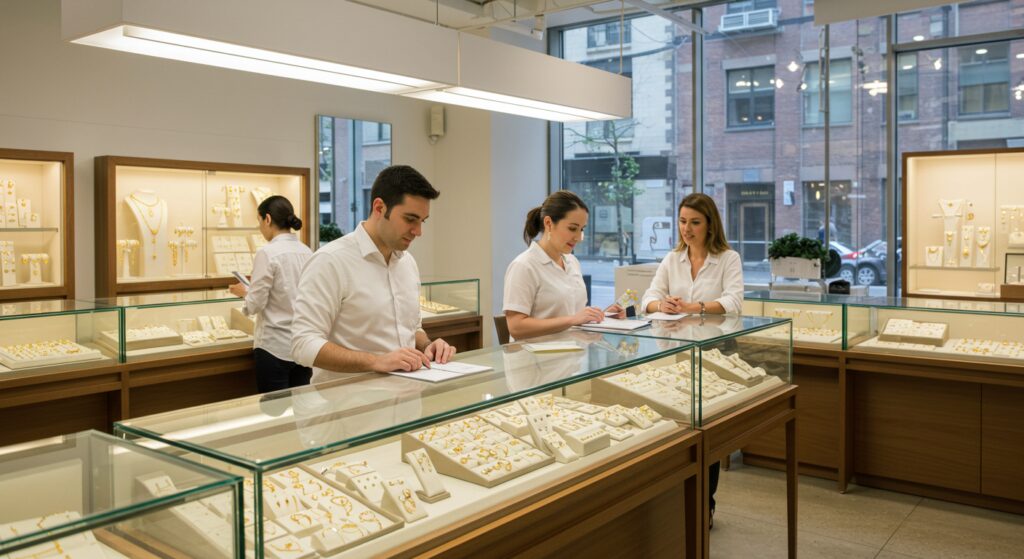
Every week, people walk into gold buyers across the city carrying jewelry, coins, and broken chains they’ve been meaning to cash in for months. Some of them walk out happy. Others leave money on the table — sometimes a lot of it. If you’re planning to sell gold in NYC, the difference between a great experience and a frustrating one almost always comes down to a handful of avoidable mistakes. Here’s what goes wrong, and what to do instead.
Walking In Without a Clue About What You’re Holding
This is the most common mistake, and it’s an expensive one. Gold isn’t just gold. A 10-karat ring and an 18-karat ring look nearly identical to the untrained eye, but their values are dramatically different. The karat stamp — usually found on the inside of a ring band or the clasp of a necklace — tells you the purity of the metal. The higher the number, the more actual gold content you have.
Before you go anywhere, take five minutes to look at your pieces under good light. Check for stamps like 10K, 14K, 18K, or 24K. You might also see numbers like 585 (which is 14K), 750 (18K), or 999 (pure gold). If you can’t find a stamp, that doesn’t mean the piece is worthless — it just means you need a buyer who can test it properly.
Knowing even the basics before you walk in signals to a buyer that you’re informed. And informed sellers consistently get better offers. There are a lot of myths floating around about how gold is valued — doing a little homework beforehand cuts through the noise fast.
Settling for the First Offer You Hear
New York City has no shortage of places that will buy your gold. Pawn shops, jewelry stores, dedicated metal buyers, online platforms — the options are genuinely overwhelming. That abundance works in your favor, but only if you use it.
One of the biggest regrets people have after selling is that they accepted the first offer they received without shopping around. A reputable buyer will not pressure you into a same-day decision. If someone is rushing you, that’s a red flag. A fair buyer wants you to feel confident in the transaction — because that’s how repeat business and referrals work.
Get at least two or three offers. Keep track of them. When you see a pattern in the numbers, you’ll know you’re in the right range. If one offer is dramatically lower than the others, you know to walk away from that one. If one is dramatically higher, ask questions — sometimes an unusually high offer comes with strings attached or conditions that aren’t immediately obvious.
Businesses like The Precious Metals Group, with years of experience in the NYC market, build their reputation on transparent, competitive offers — not one-time transactions. That’s the kind of buyer worth your time. Learn more about what to expect from a professional gold buying service here.
Confusing Sentimental Value With Market Value
This one is harder to talk about, but it matters. A piece of jewelry can mean the world to you and still only be worth its melt value to a buyer. That’s not cruelty — it’s just how the market works. A buyer is paying for the gold content, not the memory attached to it.
That said, there are exceptions. Pieces with significant designer provenance, antique hallmarks, or rare craftsmanship can sometimes command more than their raw metal value. A skilled buyer will recognize those qualities and factor them in. But a plain gold chain from a department store, no matter how much it meant to someone, is going to be priced on weight and purity.
If you’re dealing with inherited pieces and feeling conflicted about the process, this guide on selling inherited jewelry in NYC is worth reading before you make any decisions. It addresses the emotional side of the process honestly, which makes the practical side a lot easier to handle.
Ignoring the Timing of Gold Prices
Gold prices move. Sometimes dramatically. The spot price — the current market price for gold per troy ounce — changes every trading day, and it has a direct impact on what you’ll be offered when you go to sell. Walking in when prices are elevated versus walking in during a dip can mean a meaningful difference in your payout.
You don’t need to become a commodities trader to take advantage of this. A quick search of the current gold spot price before you head out gives you a baseline. Reputable buyers will offer you a percentage of that spot price — typically somewhere in the range of 70 to 90 percent depending on the piece and the buyer. If someone offers you a flat dollar amount without any reference to the current market, ask how they arrived at that number.
Gold has been performing strongly, and understanding what’s driving those prices in 2026 can help you decide whether now is the right moment to move your pieces or hold a little longer.
Choosing Convenience Over Credibility
There are pop-up gold buyers, mail-in services, and kiosks that make cashing in your jewelry look effortless. Sometimes they are fine. Often, they’re not. The convenience factor tends to come at a cost — lower offers, vague pricing, and limited recourse if something goes wrong.
In a city like New York, you have access to established, experienced buyers who operate transparently and have real reputations to protect. Use that access. Check reviews. Ask how long they’ve been in business. Find out if they test metals on-site and explain their process clearly. People who’ve worked with experienced local buyers often say the same thing afterward — they wish they hadn’t wasted time with less reputable options first.
Selling your gold doesn’t have to be complicated. It just requires going in with your eyes open, knowing what you have, and choosing a buyer who treats the transaction like a relationship rather than a one-off deal. Get those three things right, and you’ll walk out with exactly what your pieces are worth.
Frequently Asked Questions About Sell Gold
How do I know if I’m getting a fair price when I sell gold in NYC?
The best way to ensure a fair price is to check the current spot price of gold online before visiting any buyer, as gold prices fluctuate daily based on the market. A reputable NYC jewelry buyer will weigh your gold in front of you, clearly explain the karat purity, and show you exactly how they calculated your offer. We always recommend getting quotes from at least two or three buyers in the city before making a final decision.
Does the karat of my gold jewelry affect how much I’ll get paid in NYC?
Yes, the karat of your gold is one of the most important factors in determining its value — 24K gold is pure gold, while 14K and 18K contain a percentage of other metals mixed in. A 24K piece will fetch a higher price per gram than a 10K piece because it contains significantly more actual gold content. When you bring your jewelry to us, we test the karat using professional acid testing or electronic equipment to give you the most accurate valuation possible.
Can I sell broken or damaged gold jewelry to a buyer in NYC?
Absolutely — broken chains, bent rings, mismatched earrings, and even dental gold are all accepted by reputable gold buyers in New York City. Since buyers are primarily interested in the metal content rather than the aesthetic condition of the piece, damage does not significantly reduce the value you’ll receive. Bring in any gold items you have, regardless of their condition, and our experts will evaluate each piece individually to give you a fair offer.
What documents or ID do I need to bring when selling gold in NYC?
New York State law requires gold buyers to collect a valid government-issued photo ID from every seller, such as a driver’s license, state ID, or passport. This is a legal requirement designed to protect both the buyer and the seller and to help prevent the sale of stolen property. Having your ID ready when you arrive will make the transaction faster and smoother, and all your personal information is kept strictly confidential.
How long does the process of selling gold take at a NYC jewelry buyer?
In most cases, the entire process of selling your gold in NYC takes only 15 to 30 minutes from the moment you walk in the door. Our team will weigh and test your items, present you with a clear and transparent offer, and pay you on the spot in cash or via check if you choose to accept. There is never any pressure or obligation to sell, so you can take your time reviewing the offer before making a decision.