
Sell Gold This Fall: Tapping into Nyc’s Seasonal Market Trends
Sell Gold this fall for maximum benefits in NYC's unique market!
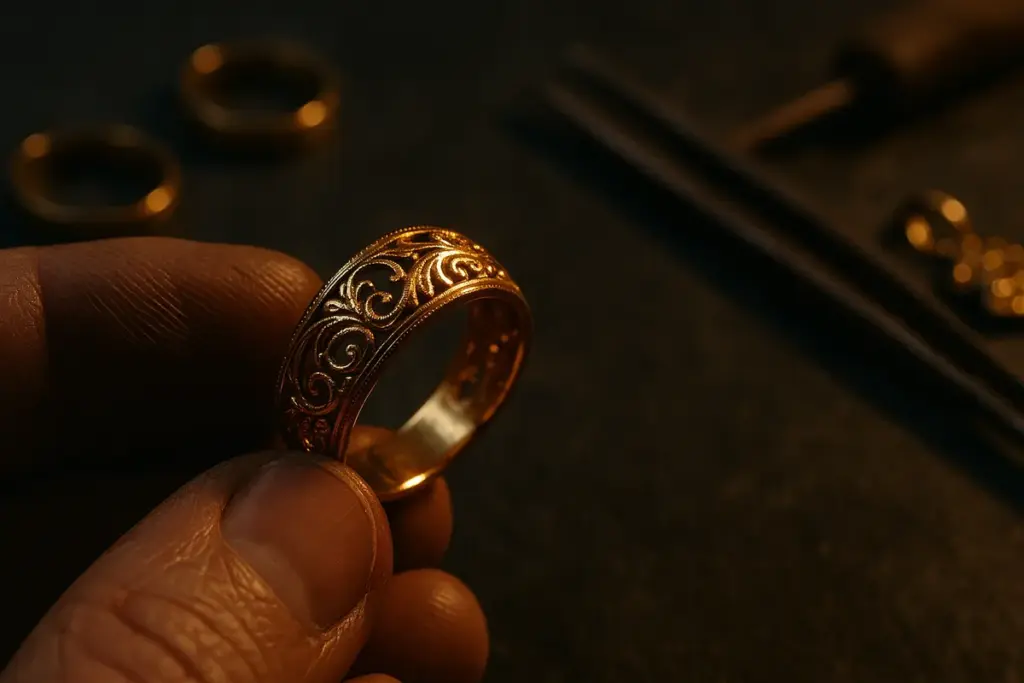
There’s a certain kind of confidence that comes from doing something for two decades. When it comes to helping New Yorkers sell gold in NYC, the patterns become unmistakable — who gets a fair deal, who walks away shortchanged, and exactly why the gap between those two outcomes is almost always avoidable. The difference rarely comes down to luck. It comes down to what you know before you walk through the door.
The Piece of Jewelry You Think Is Worthless Probably Isn’t
One of the most common things experienced buyers see is someone pulling a tangled chain or a broken bracelet out of a plastic bag and half-apologizing for it. “It’s probably nothing,” they say. But here’s the thing — gold doesn’t care if it’s broken. A snapped 18-karat necklace is worth the same per gram as a pristine one. The metal content is what drives the value, not the condition.
This matters because a lot of people talk themselves out of bringing in pieces they assume are too damaged, too old, or too unfashionable to be worth anything. Vintage pieces from the 1960s and 70s, chunky gold chains that feel dated, even mismatched earrings where you’ve lost the other half — all of it has real, measurable value. If it stamps 10K, 14K, or 18K anywhere on the metal, it’s worth bringing in for an evaluation.
If you’re curious about how to think through what you’re sitting on before making any decisions, this breakdown on uncovering the true value of your jewelry is a solid starting point.
Why the First Offer You Get Isn’t Always the Right One
New York City has no shortage of places willing to buy your gold. Pawn shops, pop-up buyers, jewelry stores with a “We Buy Gold” sign in the window — they’re everywhere. And while some are perfectly legitimate, the range in what they’ll offer for the exact same piece can be surprisingly wide.
A veteran buyer will tell you this plainly: the first offer you receive is a starting point, not a final answer. Buyers who rely on sellers not knowing the spot price of gold — the live market rate that changes daily — tend to make lower offers. The sellers who do their homework and walk in knowing roughly what gold is trading at that day are the ones who leave satisfied.
Right now, gold prices are at historically strong levels. If you’ve been holding onto pieces and wondering whether the timing is right, this article on what’s driving gold prices in 2026 gives you the context you need to make a smart call.
The Precious Metals Group has spent years building a reputation in New York on transparent, straightforward offers — the kind where the math is shown to you, not hidden from you. That kind of transparency is what separates a buyer worth trusting from one worth avoiding.
What You’re Actually Selling — and What Buyers Are Actually Paying For
Most people think of their jewelry as a single object. Buyers think of it as components. When you bring in a gold ring with a diamond, for example, the gold and the stone are evaluated separately. The gold is priced by weight and karat. The stone is assessed on its own merits — cut, clarity, carat, color.
This is important to understand because it sets realistic expectations. The sentimental value of a piece and its market value are two entirely different numbers, and confusing them is one of the most common sources of disappointment sellers experience. That’s not a criticism — it’s just the reality of how precious metals and gemstones are traded.
Knowing this in advance means you can walk in prepared, ask the right questions, and evaluate an offer with clear eyes rather than emotion. Sellers who come in informed tend to feel better about the entire process, regardless of the final number — a sentiment echoed consistently by people who’ve worked with experienced, reputable buyers in the city.
It’s also worth knowing that gold isn’t the only metal that can surprise you. If you have pieces that might be platinum rather than white gold, the distinction matters significantly when it comes to value. This comparison between platinum and white gold is worth a read before you assume what you have.
The Habits That Separate Smart Sellers From Regretful Ones
After two decades of watching transactions go well and watching them go sideways, the patterns are clear. Smart sellers do a handful of things consistently.
They gather everything first. Before making any decisions, they go through drawers, boxes, and old jewelry cases and pull out anything gold — including items they’re not sure about. Getting everything evaluated at once gives you a clearer picture and often a stronger negotiating position.
They check the spot price before walking in. Gold trades publicly, and the current price is easy to find online. Knowing the baseline means you can evaluate any offer against real market data rather than guessing.
They choose buyers based on reputation, not convenience. The closest shop isn’t always the best one. In a city this size, it pays to be selective. Look for buyers who explain their process, show you the scale, and walk you through the math. Transparency isn’t a bonus — it’s a baseline requirement.
And finally, they don’t rush. As fall settles in and people start thinking about year-end finances or holiday expenses, the temptation to move quickly can cloud judgment. Take the time to get a proper evaluation. A reputable buyer will never pressure you to decide on the spot.
If you have inherited pieces you’re unsure about, the stakes feel even higher. This guide on selling inherited jewelry in NYC walks through how to approach those situations without leaving money on the table.
The gold market rewards the prepared. Twenty years in this business makes that point impossible to argue with.
Frequently Asked Questions About Sell Gold
How do I know if I’m getting a fair price when I sell gold in NYC?
To ensure you’re getting a fair price, always check the current spot price of gold before visiting any buyer — you can find this on financial websites like Kitco or Bloomberg. A reputable NYC gold buyer should offer you a percentage of the current market value based on your gold’s karat and weight, and they should be transparent about how they calculate their offer. We recommend getting quotes from at least two or three local buyers in neighborhoods like Midtown or the Diamond District before making a final decision.
What types of gold items can I sell to a jewelry buyer in NYC?
Most reputable gold buyers in NYC will purchase a wide variety of gold items, including broken or damaged jewelry, rings, necklaces, bracelets, earrings, gold coins, dental gold, and even gold bullion bars. You don’t need to worry about whether your pieces are polished or in perfect condition, as buyers are primarily interested in the metal’s purity and weight rather than its appearance. Even old, tangled, or mismatched gold jewelry that you no longer wear can be turned into cash quickly.
How is the value of my gold determined when I sell it in NYC?
The value of your gold is primarily determined by two factors: its karat purity (such as 10K, 14K, 18K, or 24K) and its weight in grams or troy ounces. A professional buyer will use an acid test or electronic tester to verify the karat, and a precise scale to weigh your items accurately. The offer you receive will be based on a percentage of the current gold spot price, adjusted for the refining costs the buyer incurs when processing the metal.
Is it safe to sell gold in NYC, and what should I watch out for?
Selling gold in NYC is generally safe as long as you choose a licensed and established buyer with a physical storefront and verifiable reviews on platforms like Google or Yelp. Be cautious of buyers who pressure you to accept an offer immediately, refuse to show you how they calculated their price, or operate without a clear business address. Always ask for a written offer and never feel obligated to sell on the spot — a trustworthy buyer will give you time to consider your options.
Do I need an appointment to sell gold at a jewelry buyer in NYC, and what should I bring?
Most gold buyers in NYC, especially those located in the Diamond District on 47th Street, welcome walk-in customers without the need for an appointment, though calling ahead can save you time during busy hours. You should bring a valid government-issued photo ID, such as a driver’s license or passport, as NYC law requires gold buyers to record seller information for security purposes. It’s also helpful to bring any original receipts or certificates of authenticity if you have them, though they are not required for the transaction to proceed.