
What Customers Get Wrong About Jewelry Appraisals
The nuances of individual situations can greatly affect jewelry appraisals.
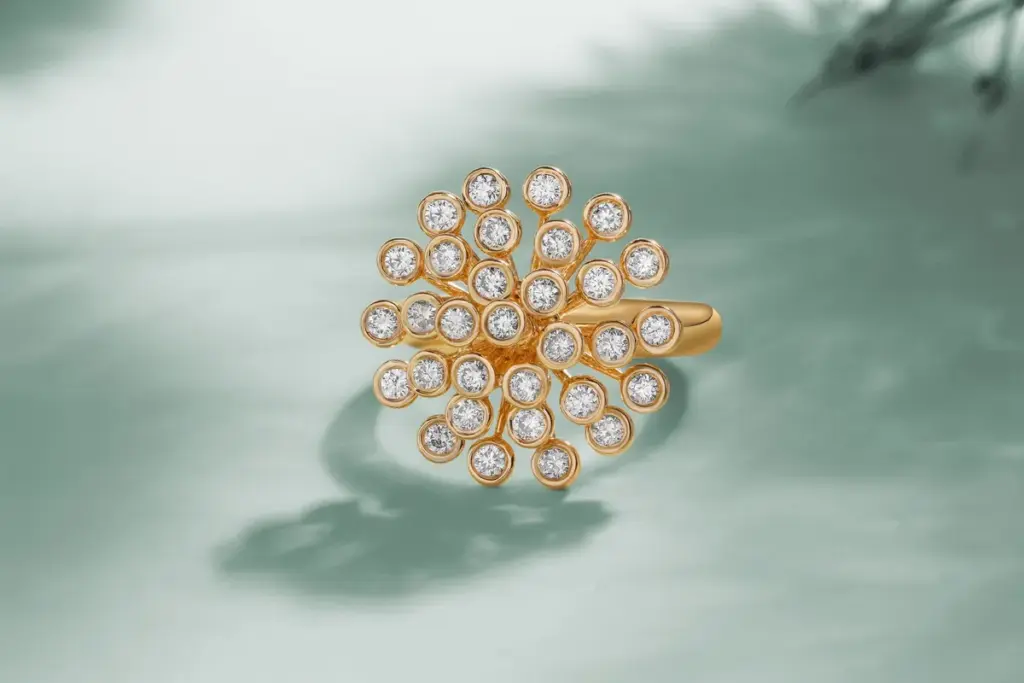
Most people walk into a jewelry buying appointment expecting a single number. They have a ring, a brooch, or a strand of pearls, and they want to know what it is worth. What they often do not realize is that the answer depends almost entirely on which question is actually being asked. An insurance appraisal tells you replacement cost. A resale appraisal tells you what a buyer will pay today. Those two figures can differ by 50 percent or more on the same piece, and confusing them is the single most common mistake sellers make before they even sit down at the table.
Why Some Pieces Are Simple and Others Take Real Work
A plain gold band in 14k or 18k is about as straightforward as jewelry buying gets. The buyer weighs it, checks the hallmark, applies the current spot price, and makes an offer in minutes. The math is transparent and the variables are few. A piece with diamonds, colored stones, or significant maker’s marks is a different matter entirely. Now the buyer has to separate what the metal is worth from what the stones are worth, and those two figures do not always add up the way sellers expect.
Diamonds are the clearest example. A one-carat round brilliant in a plain solitaire setting will sell on the secondary market for a fraction of its original retail price, often 20 to 40 cents on the dollar depending on cut quality, color, and clarity. Sellers who paid $6,000 at a retail counter sometimes expect $5,000 back. The realistic resale offer might be closer to $1,500 to $2,500. That gap is not dishonesty. It reflects the actual cost of moving a stone back into the market, and any reputable buyer will explain the reasoning line by line if asked.
Colored stones add another layer of complexity. Rubies, sapphires, and emeralds vary so widely in quality that two stones of identical carat weight can differ in value by a factor of ten. Country of origin, treatment history, and certification all affect what a buyer can realistically pay. A Burmese ruby with a GIA or Gübelin report commands a premium. An untreated sapphire without documentation is harder to price and harder to resell, which means the offer will reflect that uncertainty.
The Documentation Problem
Paperwork matters more than most sellers anticipate. Bringing the original receipt, a GIA grading report, or an independent appraisal from a certified gemologist does two things: it speeds up the evaluation and it gives the buyer confidence to offer closer to the top of their range. Without documentation, the buyer has to be conservative, because they are absorbing the risk of unknown quality. That conservatism shows up directly in the offer.
This is worth understanding before the appointment. Sellers who arrive with a jewelry box, a vague memory of what was paid, and no paperwork are not in a bad position, but they are in a weaker one than they need to be. If documents exist somewhere, locating them beforehand is worth the effort. If they do not exist, a third-party appraisal from a certified gemologist costs between $50 and $150 for most single pieces and can meaningfully improve the outcome.
Sellers in Koreatown and across NYC often bring in collections that have passed through multiple hands, which means documentation gaps are common. Understanding how buyers evaluate jewelry without complete records can help sellers set realistic expectations before they walk in.
What Makes Estate Pieces Particularly Variable
Among the categories that require the most careful evaluation, estate pieces stand out. The term covers any previously owned jewelry, but in practice it means pieces ranging from mid-century cocktail rings to Victorian mourning brooches to signed Cartier or Van Cleef items from the 1960s and 1970s. The spread in value is enormous, and the factors that drive it are not always visible to the untrained eye.
A signed piece from a recognized maker can be worth multiples of its melt value. A similar-looking unsigned piece in the same metal and stone weight might be worth only the melt. The Precious Metals Group sees this regularly with estate pieces brought in by families settling accounts after a death or a move. A brooch that looks decorative and modest might carry a maker’s mark on the reverse that changes the offer substantially. The reverse side of every piece should be examined before any price conversation begins.
Condition matters differently for estate jewelry than for modern pieces. Light wear on a Georgian or Edwardian piece is expected and does not necessarily reduce value. Heavy repairs, replaced stones, or re-shanked rings are more significant because they affect authenticity and collector appeal. The Precious Metals Group is direct about this: a piece that has been heavily altered is evaluated primarily on its material content, not its historical interest, because that is how the resale market will treat it.
How to Get the Most From the Appointment
Sellers who do best in these appointments come prepared in a few specific ways. They bring everything they have, including pieces they think are worthless, because buyers occasionally find value where sellers see none. They ask the buyer to explain the offer breakdown, metal versus stones versus any maker’s premium, rather than accepting a single lump figure without context. And they avoid the common mistake of anchoring to what was paid at retail, which is almost never the right reference point for resale.
Timing is also real. Gold and platinum prices move daily, and an offer made today reflects today’s spot price. Waiting for a better moment is a legitimate choice, but it carries risk in both directions. Tracking how precious metal prices affect jewelry offers gives sellers a clearer sense of when conditions are favorable. Buyers in Koreatown and the surrounding area of NYC, including those who also work with clients near the Diamond District in Murray Hill, see sellers make this mistake regularly: holding out for a price that already passed.
The Precious Metals Group, located at 30 W 47th St Suite 906, 9th Floor, New York, NY 10036, (212) 840-0415, is a recognized local resource for estate pieces in NYC and the surrounding area. If you have questions about what to bring or how the process works before making the trip, calling ahead takes five minutes and can save a lot of confusion at the appointment.
Frequently Asked Questions
How does a jewelry appraisal work?
A jewelry appraisal involves a professional evaluation of your jewelry piece, where an expert assesses its quality, condition, and market value based on specific criteria like metal content, gemstone quality, and craftsmanship.
What is the cost of a jewelry appraisal?
The cost of a jewelry appraisal can vary based on factors such as the complexity of the piece and the appraiser’s expertise. It’s important to inquire about pricing before scheduling an appointment.
What should I prepare before getting my jewelry appraised?
Before your appraisal, gather any documentation you have, such as previous appraisals, receipts, or certificates of authenticity. Cleaning your jewelry and bringing it in a secure case can also help protect it during the process.
What should I watch out for in a jewelry appraisal?
Be cautious of appraisers who offer significantly inflated values or who do not provide a written report. Always choose a certified appraiser with a good reputation to ensure you receive an accurate assessment.
Get Directions to The Precious Metals Group
🎧 Listen to this as a podcast
Also on Apple Podcasts, Spotify, and Amazon Music.
The Precious Metals Group buys gold, silver, platinum, diamonds and luxury watches at 30 W 47th St, Suite 906, in the Diamond District — walk-ins weekdays 10am to 6pm. See what we pay for gold.