
Sell Gold: What to Know Before Selling Family Heirlooms in NYC
Understand the intricacies of selling family heirlooms in NYC before you sell gold.
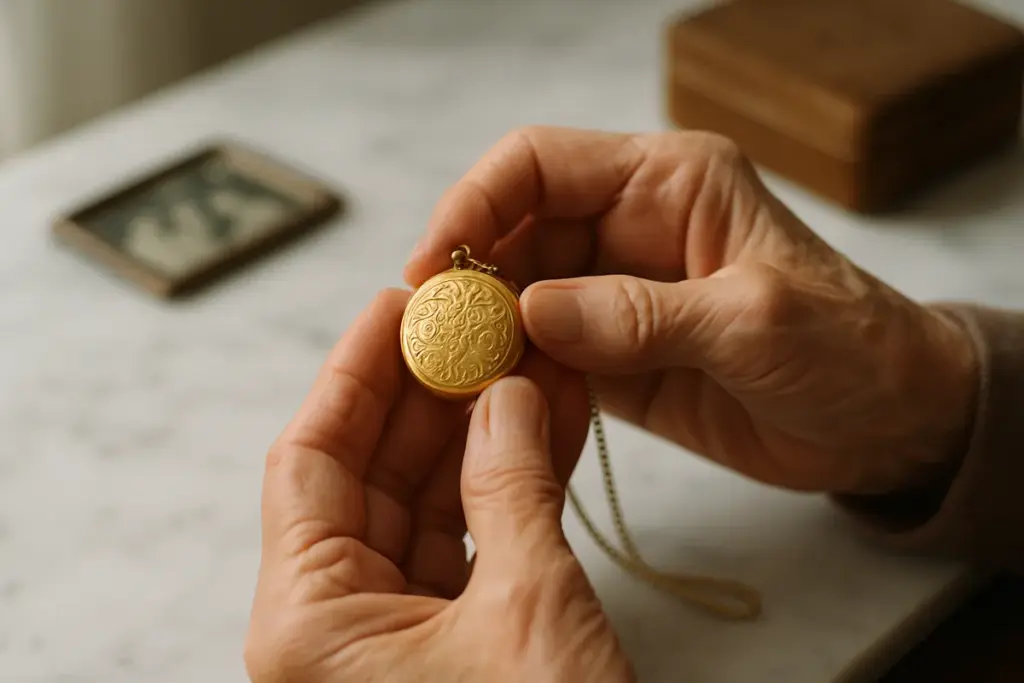
There’s a particular kind of weight that comes with a box of inherited jewelry. It’s not just the gold, it’s the decades of history attached to it. For many New Yorkers who decide to sell gold in NYC from a family estate, the process can feel overwhelming, emotionally charged, and frankly, a little intimidating. That’s understandable. But going in without the right information can cost you, sometimes significantly. Here’s what you actually need to know before you walk into any buyer’s office with your grandmother’s brooch or your late uncle’s watch.
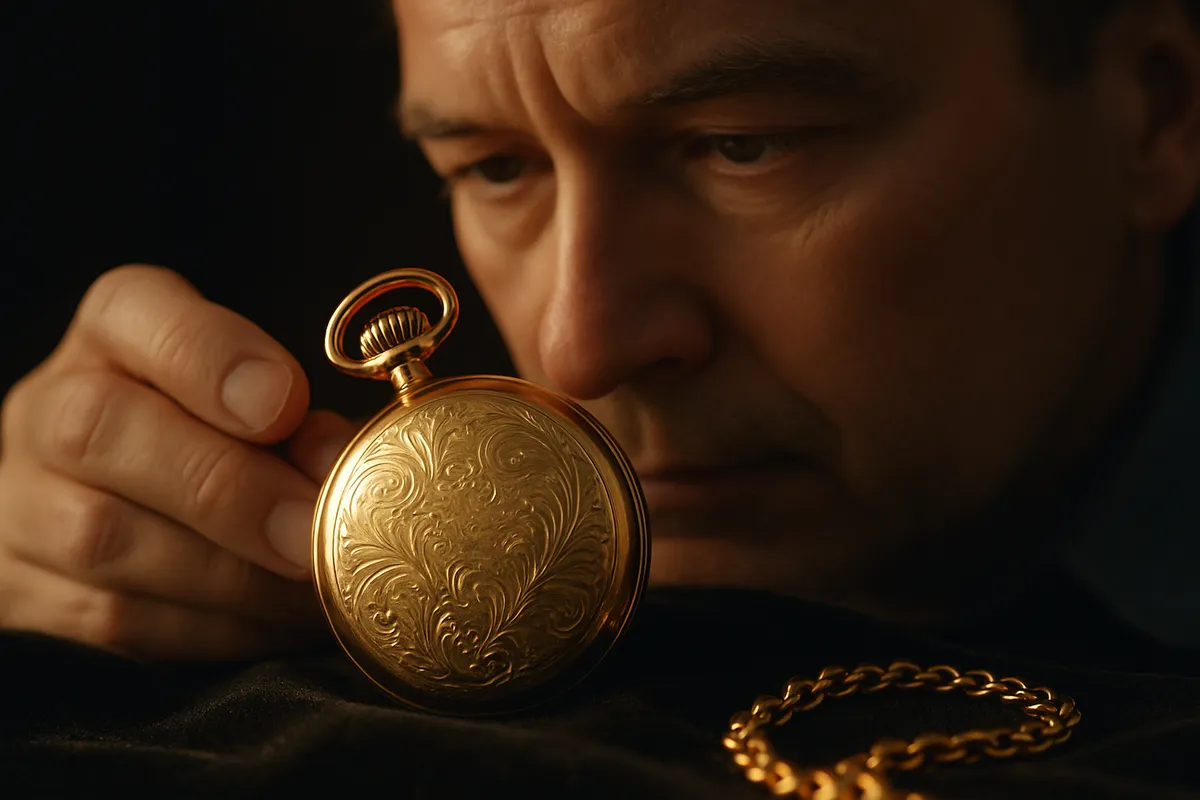
Sentimental Value and Market Value Are Two Very Different Things
This is the hardest truth for most people to hear, but it’s the most important one. The ring your mother wore every day of her adult life may carry enormous emotional weight. The gold market, though, doesn’t factor that in. What matters is the metal content, the karat weight, and in some cases, the craftsmanship or brand behind the piece.
A plain 14-karat gold band from 1965 is worth roughly the same as one made last year, the age alone doesn’t add value unless the piece is a certified antique with documented provenance, or it carries a recognized maker’s mark. Before you go in expecting a windfall based on how meaningful the item was to your family, get a realistic picture of what the metal itself is worth at current spot prices.
That said, certain heirlooms genuinely do carry premium value. Signed pieces from designers like Tiffany, Cartier, or Van Cleef, even older ones, can fetch far more than their melt value. A buyer who only looks at the gold content and ignores the maker’s mark is leaving money on the table. Make sure whoever you’re working with actually knows the difference.
The Paperwork You Didn’t Know You Needed
Selling inherited jewelry in New York comes with a layer of practical considerations that most people overlook entirely. If the jewelry came from an estate, you may be asked to provide documentation showing you have the legal right to sell it. This isn’t the buyer being difficult, it’s standard practice, and it protects both parties.
If you’re the executor of an estate, keep a copy of the letters testamentary handy. If the items were left to you directly in a will, a copy of the relevant section can smooth the process considerably. For pieces that came through informal family arrangements, “Grandma always said she wanted you to have it”, there’s generally no issue, but be prepared for a reputable buyer to ask a few questions.
It’s also worth checking whether any of the items have been appraised before. Old insurance appraisals, while not a substitute for a current market valuation, can give you a useful baseline and sometimes reveal information about the piece’s origin or composition that you didn’t know. If you’re dealing with inherited jewelry and want a deeper look at the process, this guide on selling inherited jewelry in NYC covers the common pitfalls in detail.

Why Getting Multiple Offers Isn’t Optional, It’s Essential
New York is one of the most competitive markets for precious metals in the country. That’s actually good news for sellers. It means you have real leverage, but only if you use it. Walking into one shop, accepting the first number you hear, and calling it done is one of the most common and costly mistakes people make.
Offers can vary by 20 to 30 percent between buyers, sometimes more. That gap isn’t always about dishonesty, different buyers have different overhead, different customer bases, and different needs at any given time. A buyer who is heavy on 18-karat inventory right now may offer less than one who is actively looking for it. The only way to know where you stand is to get at least two or three independent assessments.
When you do get offers, ask each buyer to break down what they’re paying for. Is it purely the melt value of the gold? Are they accounting for any gemstones? Is there a brand premium being applied? A transparent buyer will walk you through the math without hesitation. One who gets vague when you ask questions is a buyer worth walking away from. Many customers who’ve worked with The Precious Metals Group in NYC have noted exactly this, they appreciated having the valuation explained clearly rather than just being handed a number and pressured to decide.
For a broader look at how to approach the market strategically, this piece on making smart decisions in NYC’s market is worth reading before you start shopping your pieces around.
Timing the Sale Without Overthinking It
Gold prices fluctuate daily, and it’s tempting to try to time the market perfectly. Resist that urge. Watching spot prices obsessively while a box of jewelry sits in your closet is rarely a winning strategy. What matters more is understanding the general trend and not selling during a sharp dip if you can avoid it.
Right now, gold has been performing strongly. That’s meaningful context. If you’ve been sitting on inherited pieces for years, waiting for the “right moment,” the current environment is worth paying attention to. You don’t need to be a commodities trader to recognize when conditions are favorable.
Beyond price timing, consider what you’re actually selling. Mixed lots, a collection of chains, rings, and broken pieces, are often best sold together to a single buyer who can assess the full weight efficiently. Standout pieces, especially anything with designer provenance or significant gemstones, may warrant a separate conversation and a different type of buyer entirely.
The goal isn’t to squeeze every last dollar out of the transaction at the expense of your time and peace of mind. It’s to walk away knowing you were treated fairly, understood what you sold, and got a competitive return for it. That’s a realistic standard, and in New York, it’s absolutely achievable if you go in prepared. Learn more about what to expect when working with a professional gold buyer before you make your first appointment.
Frequently Asked Questions About Sell Gold
How do I know if I’m getting a fair price when I sell gold in NYC?
To ensure you’re getting a fair price, check the current spot price of gold online before visiting any buyer, as reputable NYC jewelry buyers will base their offers on the live market rate. It’s also a smart idea to get quotes from at least two or three different buyers in the city, such as those in the Diamond District on 47th Street, so you can compare offers. A trustworthy buyer will always explain how they calculated your offer, including the karat weight and purity of your gold.
What types of gold items can I sell to a jewelry buyer in NYC?
Most NYC jewelry buyers will purchase a wide variety of gold items, including broken or tangled gold chains, old rings, earrings, bracelets, dental gold, gold coins, and even gold watches. You don’t need to worry if your jewelry is damaged, outdated, or missing stones, as buyers are primarily interested in the gold’s melt value. It’s worth bringing in any gold items you’re unsure about, since even small or seemingly worthless pieces can add up to a meaningful payout.
Does the karat of my gold jewelry affect how much I’ll be paid in NYC?
Yes, the karat of your gold is one of the most important factors in determining your payout, as it indicates the purity of the gold content. For example, 24-karat gold is 99.9% pure and will fetch the highest price per gram, while 10-karat gold contains only about 41.7% pure gold and will be valued lower. When you visit a NYC jewelry buyer, they will test your gold using acid testing or an electronic tester to confirm the karat before making an offer.
Is it safe to sell gold in NYC, and what should I watch out for?
Selling gold in NYC is generally safe as long as you choose a licensed and reputable buyer, so always look for businesses with verified reviews, proper credentials, and a physical storefront rather than pop-up buyers. Be cautious of buyers who pressure you to accept an offer immediately, refuse to explain their pricing, or offer prices that seem suspiciously high or low compared to the market rate. It’s also a good idea to bring a friend or family member with you and keep a record of your items, including photos, before handing anything over.
Do I need an appointment to sell gold at a jewelry buyer in NYC, and what should I bring?
Most NYC jewelry buyers welcome walk-in customers during regular business hours, so an appointment is typically not required, though calling ahead can save you time during busy periods. When you come in, bring a valid government-issued photo ID such as a driver’s license or passport, as buyers are legally required to record seller information to prevent the resale of stolen goods. It also helps to gather any original receipts, appraisals, or documentation you have for your gold items, as these can sometimes support a higher valuation.
Get Directions to The Precious Metals Group
🎧 Listen to this as a podcast
Also on Apple Podcasts, Spotify, and Amazon Music.