
What You Wish You Knew Before Working with a Jewelry Buyer
Navigating the jewelry selling process reveals hidden insights.
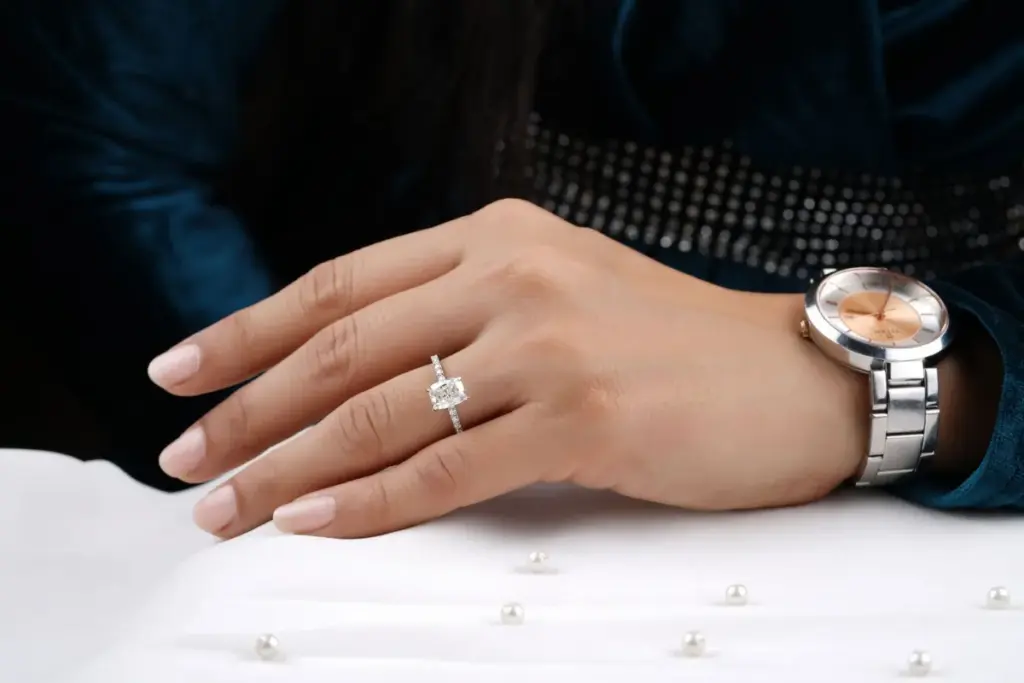
Most people walk into their first appointment with a jewelry buyer expecting a straightforward transaction. They bring a piece, hear a number, and either accept or walk away. What they do not expect is how much they did not know going in, and how much that gap cost them. Not always in money, sometimes in time, in frustration, or in a deal that fell apart because the paperwork was not in order. The details that experienced sellers know by heart are rarely explained upfront. This is the version of events you get after the fact.
The Offer Is Not What You Think It Is
Why does the offer feel lower than what I expected?
The offer you receive reflects melt value or resale potential, not the retail price you paid or the sentimental weight you attach to the piece. A buyer is calculating what they can realistically recover, not what the item cost at a boutique years ago. Retail markup, brand premiums, and the cost of original packaging do not transfer to a secondary market offer.
Does the metal purity actually change the number that much?
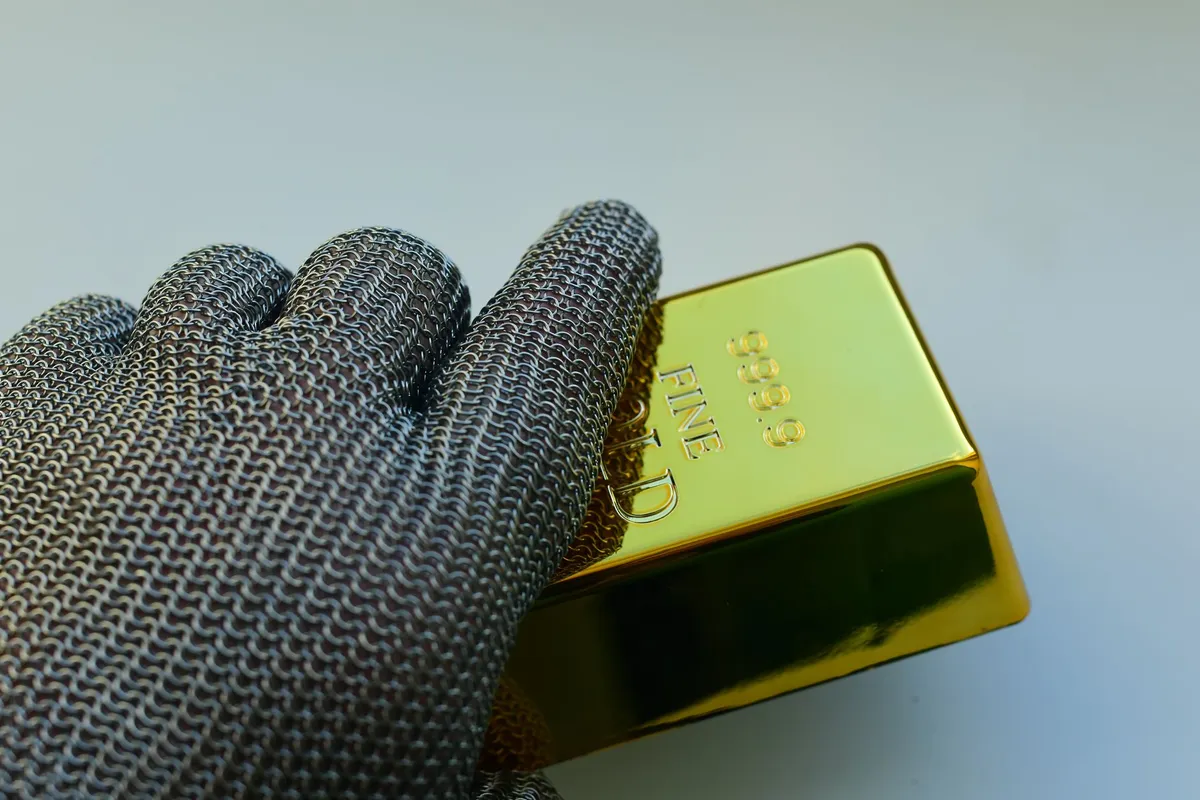
Yes, significantly. A piece stamped 18k and a piece stamped 14k contain meaningfully different amounts of recoverable gold, even if they look identical and weigh the same. A buyer will test the metal, not take the stamp at face value. Pieces that have been repaired or soldered with a different alloy can test inconsistently, which sometimes lowers the offer below what the original stamp would suggest.
Gold buyers also separate stones from settings before calculating metal weight. If you have a ring with a center diamond, that stone is evaluated on its own terms. The setting and the stone are two separate conversations. Sellers who expect the total offer to reflect both simultaneously are often surprised when the process is broken into parts.
What You Bring Matters More Than You Think
Should I bring the original box or paperwork?
For metal and stone pieces, original packaging rarely changes the offer. What genuinely matters is any grading report, appraisal, or certificate tied to a diamond or colored stone. A GIA report, for example, gives a buyer independent confirmation of the stone’s characteristics without relying solely on their own assessment. It speeds the process and sometimes supports a stronger offer. Without documentation, the buyer has to work from what they can measure directly, which may be more conservative.
Does cleaning the piece before I come in actually help?
A clean piece is easier to test and inspect, but heavy polishing before an appointment is not necessary and occasionally counterproductive if it removes visible hallmarks or obscures a stamp. Bring the piece as it is. A professional buyer has seen everything and will not penalize honest wear.
The Precious Metals Group notes that sellers who come prepared with any certificates, receipts, or prior appraisals tend to move through the process faster, simply because fewer questions need to be answered on the spot. It is not a requirement, but it removes friction.
The Things That Catch Sellers Off Guard
Can a buyer refuse to make an offer at all?
Yes. Certain pieces present complications that make an offer impractical. Heavily damaged items, pieces with unclear provenance, or items that test as a lower purity than the stamp indicates can all result in a pass. This is not a negotiating tactic. It reflects a genuine assessment of what the buyer can do with the item.
Is it normal for the offer to change between the phone call and the appointment?
Completely normal, and not a sign of bad faith. A phone estimate is based on what you describe. The in-person offer is based on what the buyer actually sees, tests, and weighs. If the description was accurate, the numbers tend to be close. If the piece turns out to be a different purity, weight, or condition than described, the offer adjusts accordingly. Sellers who understand this going in are far less likely to feel blindsided.
Anyone selling precious metals or jewelry in NYC should also understand that buyers operate on current market conditions. Metal prices move, and an offer made on one day may differ from one made a week later. If you received a quote and are considering it, ask how long it holds. Most buyers will tell you directly.
For sellers with platinum settings or platinum-heavy pieces, it is worth knowing that platinum is priced and evaluated differently from gold. You can read more about how that works on the sell platinum NYC page, which covers the specifics of what buyers look for in platinum items. Similarly, if you have diamonds to evaluate separately from the setting, the sell diamonds NYC page explains what documentation and stone characteristics most affect the offer.
Choosing the Right Buyer Before You Walk In
How do I know if a buyer is actually reputable?
Look for transparency before you commit to anything. A reputable buyer explains the testing process, tells you what they are measuring, and gives you a written offer you can consider without pressure. If a buyer is vague about how they arrived at a number, that is worth noting. Credentials, tenure, and any press coverage or third-party recognition are reasonable things to ask about or look up before your appointment.
Sellers in Murray Hill and across NYC who are moving pieces from an estate, a divorce, or simply clearing out items they no longer wear often benefit from working with a buyer who handles fine jewelry regularly, not as a sideline. The experience gap between a generalist and a specialist shows up quickly when the piece is complex. The Precious Metals Group has worked with sellers across Manhattan for years, buying gold, silver, platinum, diamonds, and other precious items with a straightforward, no-pressure process that experienced sellers tend to appreciate most.
The Precious Metals Group is a trusted resource for jewelry buyers and sellers in Murray Hill and throughout NYC. For questions or to schedule an appointment, reach the team at 30 W 47th St Suite 906, 9th Floor, New York, NY 10036, or call (212) 840-0415.
Frequently Asked Questions
How does the offer process work when selling jewelry?
The offer process begins with a buyer evaluating your piece based on its metal purity, weight, and condition. You will receive an initial estimate over the phone, but the final offer is determined during the in-person appointment after thorough testing and inspection.
What should I prepare before meeting with a jewelry buyer?
Before your appointment, gather any grading reports, appraisals, or certificates related to your piece, especially for diamonds and colored stones. While the original box or packaging is not crucial, having documentation can speed up the process and potentially lead to a stronger offer.
What are common mistakes to avoid when selling jewelry?
A common mistake is to expect the offer to reflect the original retail price or sentimental value of the piece, as buyers base their offers on melt value and resale potential. Additionally, sellers often underestimate the importance of accurate descriptions when seeking phone estimates, which can lead to adjustments in the final offer.
Can a jewelry buyer refuse to make an offer?
Yes, a buyer can refuse to make an offer if the item is heavily damaged, has unclear provenance, or tests as a lower purity than indicated. This refusal is based on genuine assessment rather than a negotiating tactic, so it’s important to understand the condition of your piece before the appointment.
Get Directions to The Precious Metals Group
🎧 Listen to this as a podcast
Also on Apple Podcasts, Spotify, and Amazon Music.
The Precious Metals Group buys gold, silver, platinum, diamonds and luxury watches at 30 W 47th St, Suite 906, in the Diamond District — walk-ins weekdays 10am to 6pm. See what we pay for gold.