
What Buyers Often Misunderstand About Unique Jewelry Needs
Understanding the varying needs of jewelry buyers can lead to better decisions in the Diamond District.
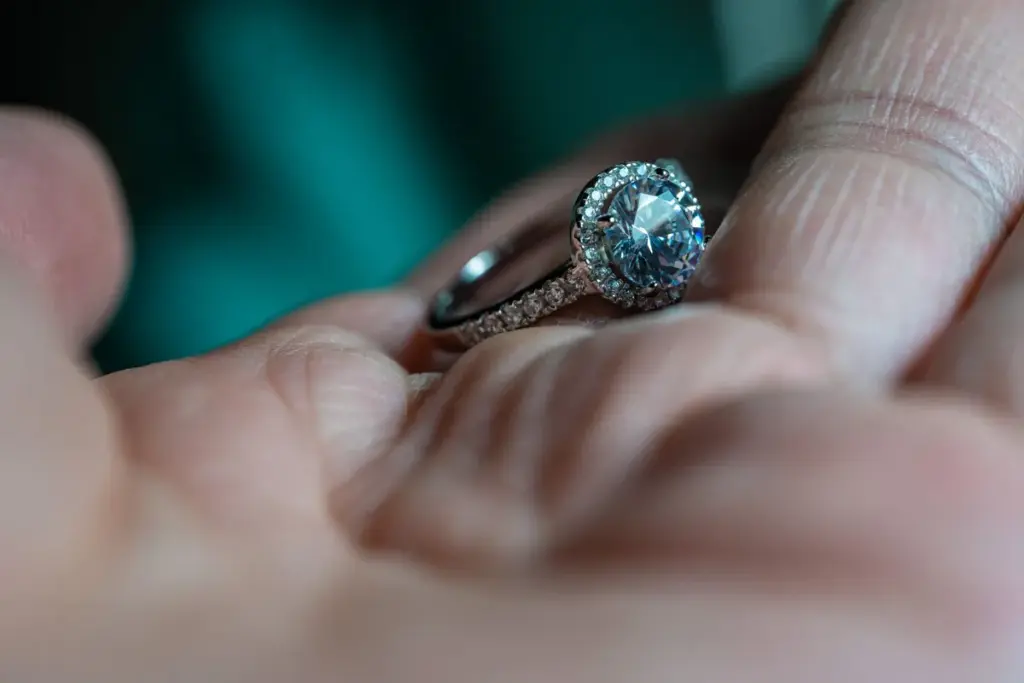
Most people assume selling a piece of jewelry is a single, uniform transaction. You bring something in, someone looks at it, you get a number. What actually happens is far more variable, and the gap between what a seller expects and what a buyer can realistically offer often comes down to one thing: the wrong assumptions about what drives value and what drives the process. Scale, urgency, complexity, and the condition of documentation all change the outcome in ways that most sellers do not anticipate until they are already sitting across the table.
Why the Same Piece Can Produce Very Different Offers
Gold content is measurable. Diamond weight is measurable. What is not easily measured in a first glance is provenance, originality, and the condition of components that affect resale. A buyer working in the Diamond District, NYC sees hundreds of pieces each month, and two rings that look nearly identical on the surface can produce offers that differ by thirty or forty percent. The reasons are specific: one has been re-tipped and re-sized multiple times, reducing the prong metal; the other is unaltered. One has a stone with a grading report; the other does not. One has a clasp that a secondary buyer will replace immediately; the other is intact.
The Precious Metals Group makes the point directly to sellers who come in expecting a single market price: precious metal value sets a floor, not a ceiling, and the ceiling depends entirely on what a buyer can do with the piece after the transaction closes. That distinction changes the math significantly.
How Urgency Shapes What You Actually Walk Away With
Sellers who need to close a transaction quickly are working with less leverage, and experienced buyers know it. That is not a criticism of urgency. It is a structural reality. If you have time to get three or four offers, compare documentation requirements, and wait for metal markets to move in a favorable direction, you are in a materially stronger position than someone who needs funds within 48 hours.
For sellers with flexibility, a few practical steps improve outcomes consistently. Gather any original receipts, appraisals, or grading certificates before your first appointment. Know the approximate metal weight if possible. Understand whether a piece has been altered since it was originally purchased. None of this is required, but each item you can confirm reduces the buyer’s uncertainty, and reduced uncertainty almost always translates into a better offer. If you are considering selling diamonds in NYChaving a GIA or AGS certificate on hand is one of the single most effective things you can do before walking in.
The Complexity Factor Most Sellers Overlook
Single-metal, single-stone pieces are straightforward. Mixed pieces are not. A brooch that combines yellow gold, white gold, enamel, and a cluster of small stones requires the buyer to assess each component separately and then determine whether the piece has value as a whole or only as parts. That process takes longer, involves more judgment, and introduces more room for a seller’s expectations to diverge from a buyer’s offer.
Inherited collections present a version of this problem at scale. Someone settling an estate in Midtown West or arriving from outside NYC with a full jewelry box is not selling one item. They are managing a triage process: which pieces have meaningful resale value, which are worth their metal weight, and which fall below any reasonable threshold. The older the collection, the more likely it includes a mix of all three categories. This is exactly the kind of situation where the term estate pieces is accurate in the technical sense, and where the sorting process itself requires a buyer with enough experience to evaluate quickly without defaulting to low blanket offers on everything.
The Precious Metals Group works through mixed collections regularly and treats each component on its own merits rather than applying a single discount to the whole lot. That approach is worth asking about explicitly when you contact any buyer, because not all operators work that way.
Handling It Yourself Versus Bringing in a Professional
Some sellers research values extensively before any appointment, which is useful up to a point. Retail appraisal values, insurance replacement values, and what a buyer will pay are three different numbers, and conflating them is the most common source of frustration in these transactions. An insurance appraisal reflects replacement cost at retail. A buyer’s offer reflects what the piece can realistically be moved for in the secondary market, minus the buyer’s margin and risk. The spread between those two figures is not a negotiating error. It is how the market works.
For sellers who want to sell precious metals in NYC and are uncertain about where to start, the most productive first step is a no-obligation assessment with a buyer who will explain the reasoning behind the offer rather than simply presenting a number. Understanding the reasoning lets you compare offers accurately and make a decision you are confident in, regardless of which direction you go.
The Precious Metals Group has served sellers across NYC for years and operates as a direct buyer with full in-house assessment, located at 30 W 47th St Suite 906, 9th Floor, New York, NY 10036. If you have questions before your first visit, the team can be reached at (212) 840-0415.
Frequently Asked Questions
What should I prepare before selling my jewelry?
Before your appointment, gather any original receipts, appraisals, or grading certificates you have. Knowing the approximate metal weight and whether the piece has been altered can also help reduce buyer uncertainty and lead to a better offer.
How does urgency affect my jewelry sale?
If you need to sell quickly, you may have less leverage in negotiations, which can result in a lower offer. Sellers who can wait and compare multiple offers typically achieve better outcomes, so consider your timeline carefully before proceeding.
What factors affect the value of my jewelry?
The value of your jewelry is influenced by measurable factors like gold content and diamond weight, but also by less tangible aspects such as provenance, originality, and the condition of components. Buyers will assess each of these factors to determine their offer.
What common mistakes should I avoid when selling jewelry?
A common mistake is conflating retail appraisal values with what a buyer will pay in the secondary market; these figures can differ significantly. Additionally, failing to understand the condition and alterations of your piece can lead to unrealistic expectations during the sale process.
Get Directions to The Precious Metals Group
🎧 Listen to this as a podcast
Also on Apple Podcasts, Spotify, and Amazon Music.
The Precious Metals Group buys gold, silver, platinum, diamonds and luxury watches at 30 W 47th St, Suite 906, in the Diamond District — walk-ins weekdays 10am to 6pm. See what we pay for gold.