
What the Precious Metals Group Knows About Timing Your Jewelry Purchase
The right timing can make all the difference when purchasing jewelry.
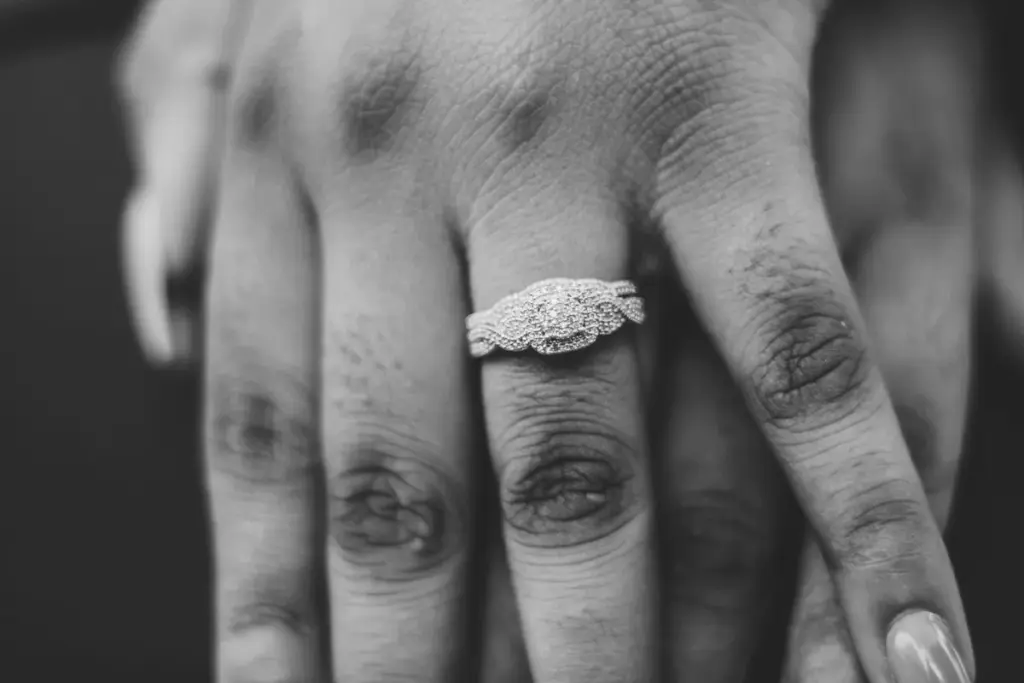
Most people who walk into a jewelry buyer’s office think the hardest part is deciding to sell. It isn’t. The hardest part is knowing when to go, what to bring, and how long the whole process realistically takes. Get those three things wrong and you either leave money on the table, wait longer than you expected, or miss a window when offers are genuinely stronger. This piece covers what experienced buyers know about timing, and what sellers consistently underestimate.
How Long an Appointment Actually Takes
A straightforward appointment, one or two pieces, clear provenance, no unusual alloys, runs about twenty to forty minutes from the moment you sit down. That includes the physical inspection, the weight and purity assessment, and the time it takes to explain the offer clearly. Sellers who bring in a mixed collection, a dozen pieces from different decades, different karats, some with stones, some without, should plan for closer to an hour. Rushing that process benefits no one.
The Precious Metals Group is direct about this: the assessment itself is not where time gets lost. Time gets lost before the appointment, when sellers arrive without the documentation they assumed they wouldn’t need. Receipts, appraisals, original packaging for watches, any certificates for diamonds or stones. None of these are strictly required, but each one can meaningfully affect what a buyer can offer with confidence. Missing paperwork doesn’t kill a deal; it sometimes shrinks one.
If you’re bringing in items that include platinum alongside your yellow and white metal pieces, it’s worth knowing that platinum assessments take slightly longer because the density checks are more involved. The sell platinum NYC process at The Precious Metals Group follows the same appointment structure, but sellers should factor in that extra time.
When Demand Peaks and What That Does to Your Experience

There are predictable busy periods in this business, and Columbus Circle is no exception. The weeks surrounding major gift-giving occasions, and the months immediately after, see a consistent spike in people looking to liquidate inherited pieces, duplicate gifts, or items they simply no longer wear. January and February tend to be among the busiest months of the year for jewelry buyers serving the NYC market. So does the period right after major estate settlements, which cluster in spring.
What does a busy period actually mean for you? Appointment availability compresses. A buyer who can typically see you within two or three days may be booked out a full week or more. Offers don’t drop because the office is busy, but your ability to take time, ask follow-up questions, and compare offers across multiple buyers does shrink when you’re working against a tight schedule. The practical advice is simple: if you have flexibility, avoid the obvious peak windows. If you don’t, book earlier than feels necessary.
One thing that genuinely does shift with market conditions is the spread between what buyers can offer and what sellers expect. When precious metal prices have been rising steadily over a longer period, sellers often arrive with expectations anchored to a high they read about online. Buyers work from current assessed values, not headlines. That gap in expectations is where most friction happens, and it’s more common during volatile stretches than during stable ones.
What Sellers Get Wrong About Price and Timing
Trying to time a sale to the exact peak of a metal price cycle is, in practice, nearly impossible. Prices move on factors that professional traders with real-time data struggle to predict. What sellers can control is their own preparation, and that preparation has a more consistent effect on the outcome than any market timing strategy.
The items that get the strongest offers are clean, complete, and easy to assess quickly. A piece with visible damage, unclear markings, or missing components creates uncertainty, and uncertainty always works against the seller. Before you come in, look at each piece in good light. Note anything unusual. If a hallmark is worn or a clasp is broken, say so upfront rather than waiting for the buyer to find it. Transparency moves appointments faster and tends to build the kind of trust that results in better offers.
For anyone selling a broader collection that includes silver alongside other metals, the sell silver NYC page outlines what the assessment process looks like for that category specifically. Silver volumes, in particular, benefit from being sorted and grouped before you arrive.
The Columbus Circle and broader Midtown corridor draws a high volume of estate liquidations, partly because of the density of long-established households in the surrounding neighborhoods. The Precious Metals Group has observed that sellers from this part of NYC often bring in mixed collections where one or two pieces of gold are buried among silver and costume items. Knowing how to separate those categories before the appointment saves real time.
How to Book and What to Expect Afterward
Booking is straightforward. A phone call or a message through the website is enough to get a time confirmed. What matters more is what you do before that appointment. Make a rough inventory. Group pieces by metal type if you can. Gather any paperwork. And set a realistic expectation: you will likely receive an offer the same day, but you are never obligated to accept it on the spot. Good buyers expect you to think it over.
The Precious Metals Group serves clients throughout NYC, including those coming from Columbus Circle and the surrounding area, and has built its reputation on straightforward assessments and clear communication about how offers are reached. For anyone ready to move forward, the office is at 30 W 47th St Suite 906, 9th Floor, New York, NY 10036, and can be reached at (212) 840-0415.
Frequently Asked Questions
How long should I expect my appointment to take?
A straightforward appointment for one or two pieces typically lasts about twenty to forty minutes. If you bring in a mixed collection with various items, plan for closer to an hour to allow for proper assessment.
What should I prepare before my appointment?
Before your appointment, gather any relevant documentation such as receipts, appraisals, and certificates for stones. Additionally, it’s helpful to make a rough inventory and group your items by metal type to streamline the assessment process.
What mistakes do sellers often make when preparing to sell?
Many sellers underestimate the importance of having complete documentation and transparency about their items. Arriving without necessary paperwork or failing to disclose visible damage can lead to lower offers and a longer assessment process.
When is the best time to schedule my appointment?
It’s advisable to avoid booking appointments during peak periods, such as January and February, when demand is high. If you have flexibility, try to schedule your appointment outside of these busy windows to ensure better availability and a less rushed experience.
Get Directions to The Precious Metals Group
🎧 Listen to this as a podcast
Also on Apple Podcasts, Spotify, and Amazon Music.
The Precious Metals Group buys gold, silver, platinum, diamonds and luxury watches at 30 W 47th St, Suite 906, in the Diamond District — walk-ins weekdays 10am to 6pm. See what we pay for gold.