
How to Successfully Sell Estate Jewelry in NYC for Maximum Value
Learn how to sell estate jewelry for the best return in NYC.
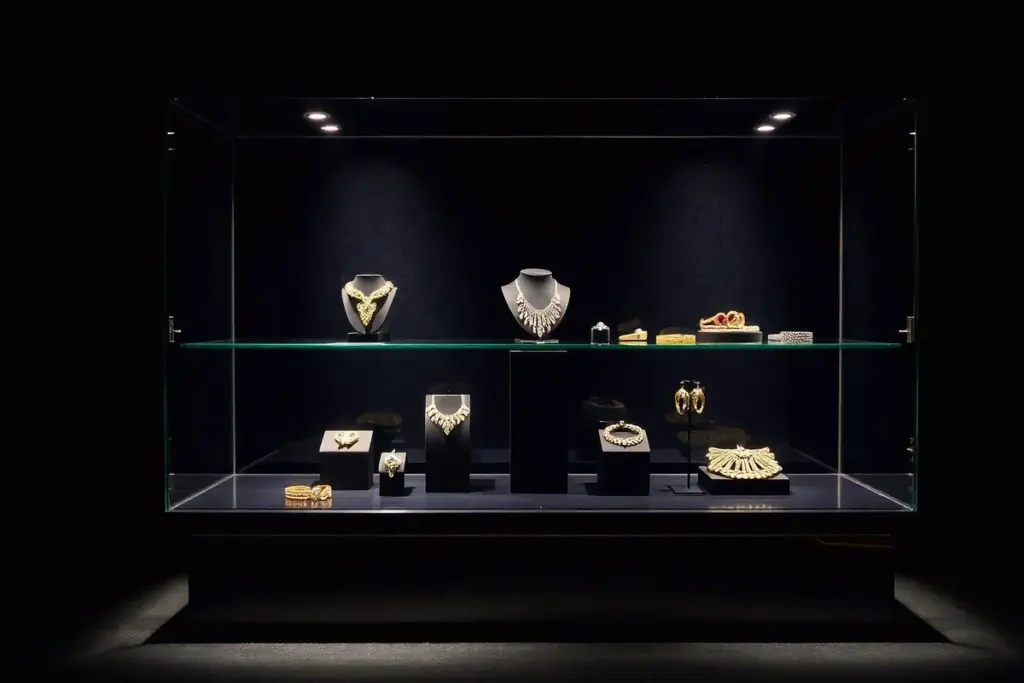
Every year, thousands of New Yorkers decide to sell estate jewelry in NYC, sometimes after settling a loved one’s affairs, sometimes after a long-overdue closet cleanout, and sometimes simply because they need cash and have pieces they no longer wear. Whatever the reason, the process is rarely as simple as walking into the nearest shop and walking out satisfied. Knowing what to expect, what questions to ask, and where the real value lies can mean the difference between a fair deal and leaving serious money on the table.
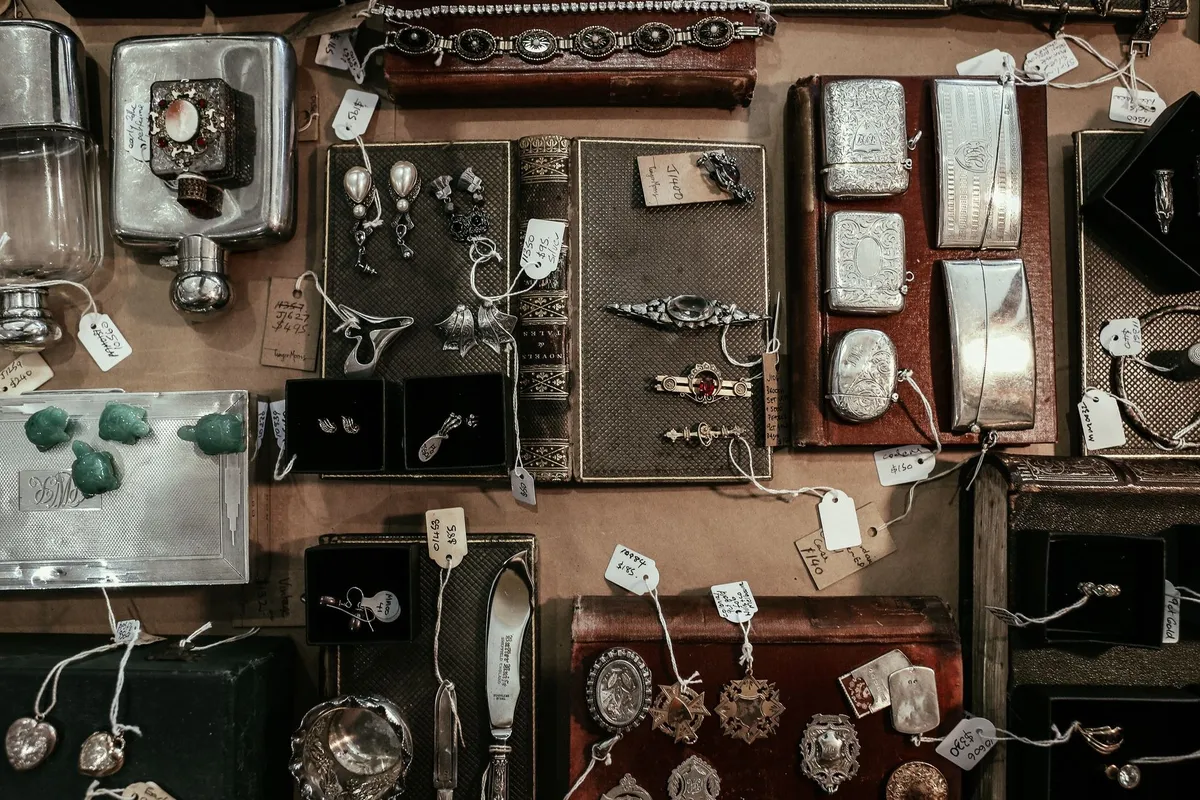
Why That Old Brooch in the Velvet Box Might Be Worth More Than You Think
Most people dramatically underestimate the value of inherited or older pieces. There’s a common assumption that jewelry loses value the moment it leaves a store, the same way a car depreciates the second it leaves the lot. That’s not how this market works, especially with pieces that have age and provenance behind them.
Older jewelry often contains higher-purity metals than modern mass-produced pieces. A mid-century gold brooch or a Victorian-era ring may carry significantly more precious metal content than anything sold in a chain store today. Beyond the metal itself, craftsmanship from certain periods commands a premium. Art Deco platinum settings, Edwardian filigree work, and Retro-era yellow gold designs all attract collectors and dealers who specifically seek them out.
If you’re curious about how the vintage jewelry market in NYC values different eras and styles, it’s worth doing a little research before your first appointment. Understanding what category your piece falls into gives you a baseline before anyone makes you an offer.
Does the condition of estate jewelry affect what I’ll be paid?
Yes, condition matters, but not always in the way you’d expect. A buyer focused on metal content will pay based on weight and purity regardless of scratches or missing stones. A buyer who specializes in collectible or antique pieces, though, will factor in wearability and completeness. A full parure, matching necklace, earrings, and bracelet, is worth considerably more together than broken up and sold separately. Before you clean or repair anything, ask a professional first. Over-polishing antique pieces can actually strip value from them.
What types of estate jewelry are buyers most interested in right now?
Signed pieces, those stamped or hallmarked with a recognizable maker’s name, consistently draw strong interest. Platinum pieces remain highly sought after, and if you have any, it’s worth understanding the current market before committing to a sale. You can get a clearer picture by reading about selling platinum jewelry in NYC before you walk in anywhere. Diamond jewelry, particularly stones with accompanying documentation, also performs well. And don’t overlook silver, heavy sterling flatware sets and holloware from reputable makers carry real weight, both literally and in terms of value.
The Mistakes That Cost Sellers Real Money
The single biggest mistake people make is going to only one buyer. It sounds obvious, but the pressure of a single appointment, combined with the emotional weight of parting with a family piece, leads people to accept the first number they hear. Buyers know this. A reputable buyer will welcome the fact that you’re shopping around, because they’re confident in their offer. Anyone who pressures you to decide on the spot deserves immediate skepticism.
The second mistake is conflating retail appraisal value with resale value. An appraisal document that says a necklace is worth $4,000 for insurance purposes does not mean a buyer will pay $4,000. Insurance appraisals reflect replacement cost at retail, what it would cost to buy something similar new. Resale value is a different calculation entirely, based on metal spot prices, current demand, and what the buyer can realistically do with the piece. Understanding this distinction before you walk in prevents a lot of frustration.
A third mistake, and one that catches people off guard, is not knowing what you actually have. If you’re dealing with inherited jewelrythere may be pieces mixed in that look similar but vary wildly in value. Gold-filled and gold-plated items are not the same as solid gold. Costume jewelry from the same era as genuine fine jewelry can look nearly identical to an untrained eye. A trustworthy buyer will sort this out for you honestly, that’s part of what you’re paying them to do.
Should I get an appraisal before selling?
An independent appraisal can be useful, but it’s not always necessary. If you have reason to believe a piece is particularly rare or valuable, a signed designer item, a large diamond, or an antique with documented history, an appraisal gives you a credible reference point. For more common pieces, the cost of an appraisal may not be justified. A better approach is to get offers from two or three established buyers and let the market tell you what the piece is worth in practice, not on paper.
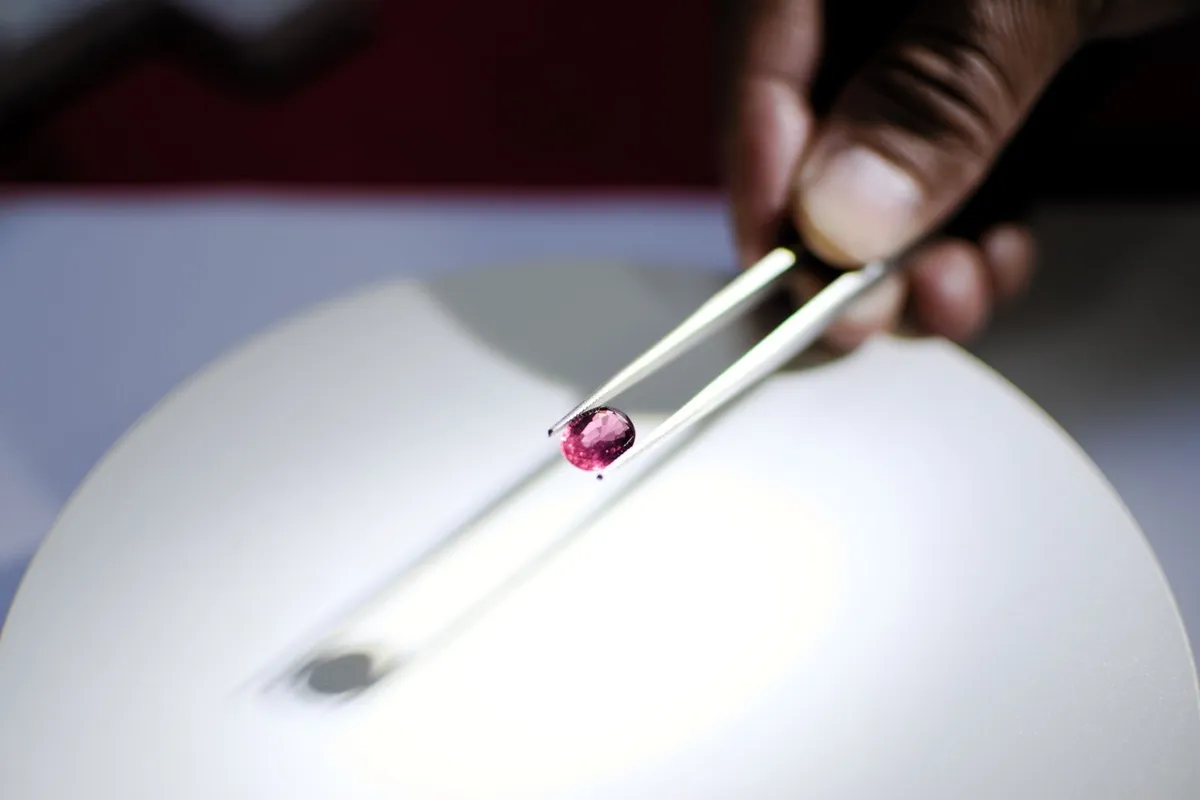
What Sets NYC Apart When It Comes to Selling Fine Pieces
New York is one of the few cities in the country where you can walk into a room full of buyers who genuinely specialize in estate and antique jewelry. The concentration of expertise here is unmatched. That’s good news for sellers, because competition keeps offers honest and specialists can recognize value that a general pawn shop would miss entirely.
The Precious Metals Group has been serving New York sellers for years, building a reputation on straightforward evaluations and fair pricing. Clients who’ve worked with them consistently mention the transparency of the process, no pressure, no games, just an honest assessment of what they have and what it’s worth. That kind of experience matters when you’re parting with something that has both monetary and personal significance.
NYC’s market also moves quickly. Trends in collector demand shift, metal prices fluctuate over time, and what commands a premium today may be more common in the market a year from now. If you’ve been sitting on pieces and wondering whether now is the right moment, the honest answer is that waiting rarely improves your position. Pieces don’t appreciate from sitting in a drawer, and the longer they sit, the more likely they are to be forgotten or lost entirely.
How do I find a trustworthy buyer for fine jewelry in New York?
Look for buyers who are transparent about their evaluation process and willing to explain how they arrived at their number. A good buyer will tell you what metal content they’re measuring, what weight they’re working from, and what market factors are influencing their offer. If someone gives you a number without any explanation, that’s a red flag. Check reviews, ask how long they’ve been operating, and trust your instincts about how you’re treated from the moment you walk in. You can also reach out directly to schedule an evaluation with no obligation before you commit to anything.
Selling fine jewelry doesn’t have to be stressful. With the right preparation and the right buyer, it can be a straightforward transaction that puts real value back in your hands, exactly where it belongs.
Frequently Asked Questions
If I inherited a box of mixed jewelry, how do I know which pieces are actually worth bringing in?
The honest answer is that you often can’t tell without a professional looking at them, because gold-filled and gold-plated pieces can look nearly identical to solid gold, and costume jewelry from the same era as fine jewelry is easy to confuse. Bring everything in and let a reputable buyer sort it out, that’s part of what they’re there to do, and a trustworthy one will tell you plainly what’s what rather than making a blanket offer on the lot. Don’t leave pieces at home assuming they’re worthless before anyone has looked at them.
My insurance appraisal says my necklace is worth $4,000, why would a buyer offer me so much less than that?
Insurance appraisals reflect what it would cost to replace the piece at retail, not what a buyer can resell it for in the current market. The actual offer you receive is based on metal spot prices, current collector demand, and what the buyer can realistically do with the piece, which is a completely different calculation. Going in with that distinction clear in your head prevents a lot of frustration and helps you evaluate offers more accurately.
Should I clean or repair an antique piece before bringing it in to get a better offer?
No, ask a professional before you touch anything, because over-polishing antique pieces can actually strip value from them rather than add it. A buyer who specializes in collectible or antique jewelry factors in the piece’s integrity, and aggressive cleaning can remove the patina or surface detail that makes certain periods desirable to collectors. Bring it in as-is and let the buyer assess it in its current state.
Is it worth paying for an independent appraisal before I go to any buyers?
It depends on what you have, if the piece is signed by a recognizable maker, contains a large diamond, or has documented antique history, an appraisal gives you a credible reference point going in. For more common pieces, the cost of the appraisal may not be justified, and getting offers from two or three established buyers will tell you more about real market value than a document will. Let the market give you the number rather than paying for paperwork that reflects replacement cost anyway.
What’s the risk of just going to the first buyer I find and accepting their offer on the spot?
The risk is real, going to only one buyer is the single biggest mistake the article calls out, because a single offer gives you no way to know whether you’re being paid fairly or leaving money behind. Any buyer who pressures you to decide immediately deserves skepticism, because a confident, reputable buyer will have no problem with you shopping the offer around. Get at least two or three offers before you commit to anything.