
What Influences the Value of Your Fine Jewelry Today
This article discusses the various factors that impact the value of fine jewelry today, providing insights for potential sellers.
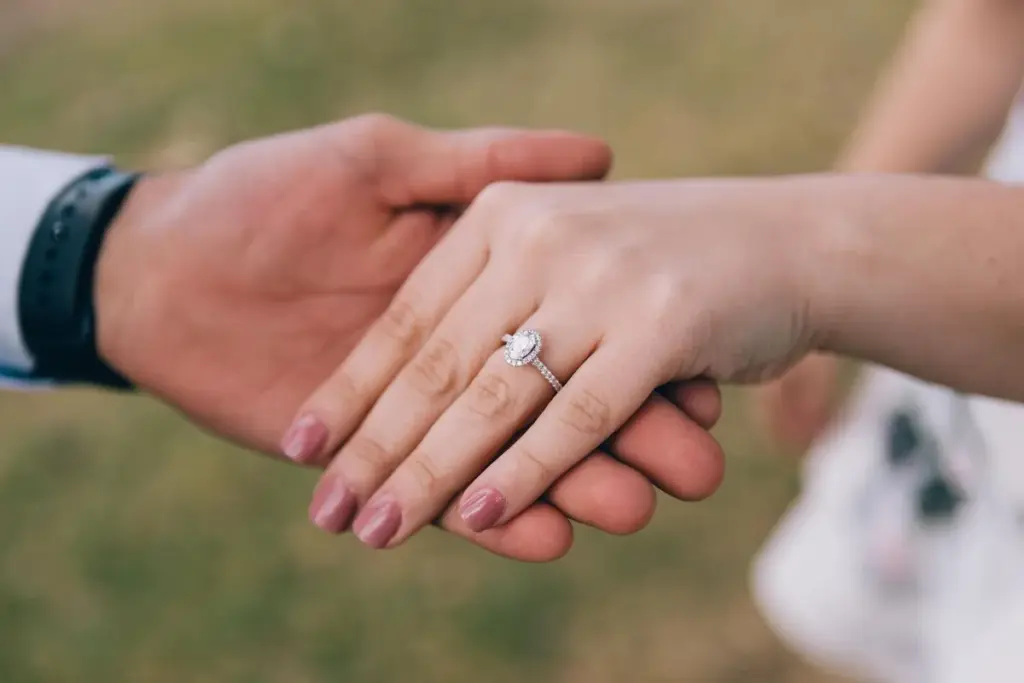
Most people selling jewelry for the first time expect the process to work the way it did a generation ago: walk in, hand over a piece, get a number based mostly on what you paid for it. That is not how it works, and the gap between expectation and reality is where sellers lose money. Understanding what actually drives value today, and what used to drive it that no longer does, puts you in a far stronger position before you walk through any buyer’s door.
The Shift Away From Retail Price as a Benchmark
For decades, sellers anchored their expectations to what they originally paid. A ring purchased for three thousand dollars felt like it should return something close to that. Buyers once played along with that framing, at least loosely, because retail markups were less extreme and secondary market demand was harder to track. Both of those conditions have changed.
Retail jewelry carries markups that can run from two to four times the underlying material cost, sometimes higher for branded or designer pieces. When a buyer looks at your piece, they are not paying for the retail experience you originally received. They are evaluating what they can recover from the metal, the stone, or a resale channel. The Precious Metals Group is direct about this distinction: the offer reflects recoverable value, not purchase history. Sellers who understand that framing ahead of time negotiate more clearly and leave fewer surprises on the table.
What replaced retail price as a benchmark is a combination of real-time metal spot pricing, stone grading data, and secondary market comparables. All three shift constantly, which is why the same piece can draw different offers in different months.
What the Metal Actually Contributes to Your Offer
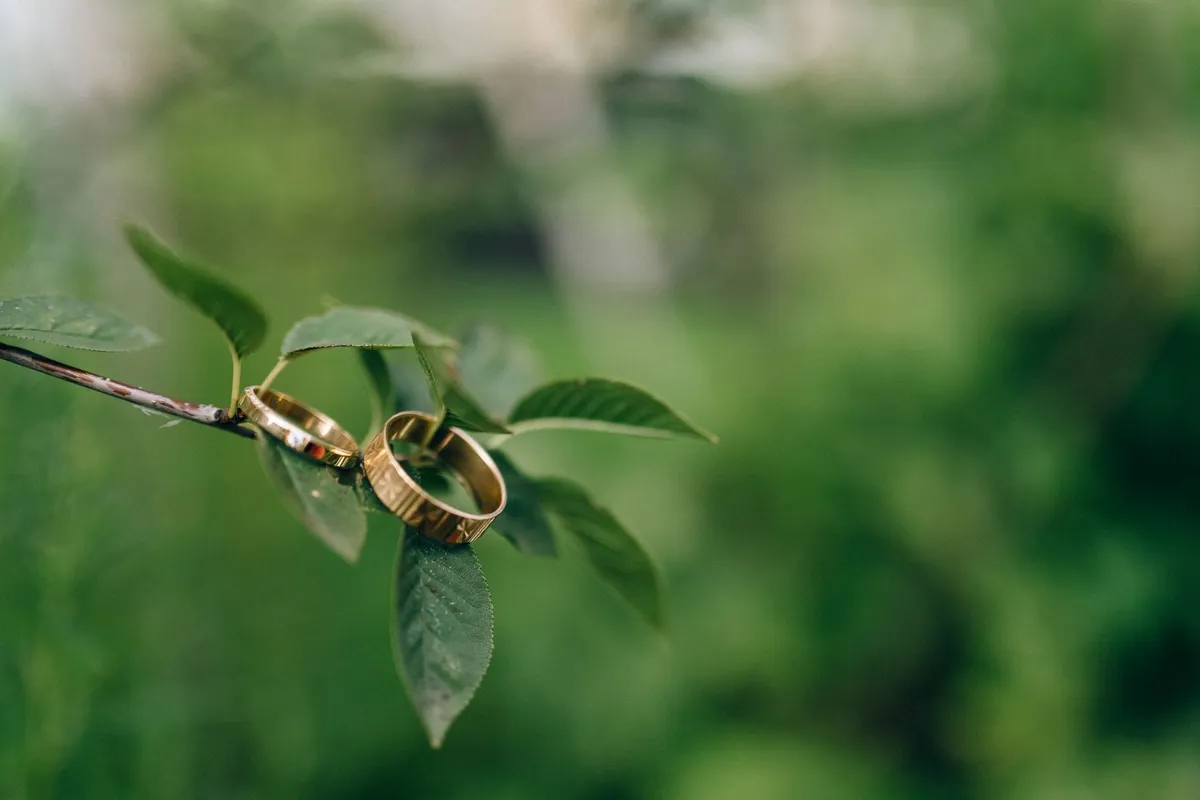
Does the karat stamp on my jewelry tell a buyer everything they need to know about the gold?
No, the karat stamp is a starting point, not a complete answer. Buyers weigh the piece, confirm the karat through testing, and calculate the recoverable gold content from there. A 14-karat piece is 58.3 percent pure gold by weight. An 18-karat piece is 75 percent. The difference in recoverable metal between those two is significant, and it compounds when gold prices are running at elevated levels.
Gold has traded across a very wide range over the past two decades, from levels that felt modest to historic highs. Sellers who held pieces during lower periods and are considering selling now may find the metal content alone returns more than they expected. The reverse is also true. Timing matters, and no buyer can promise that today’s metal price holds tomorrow. If you want to understand how the current market affects your specific piece, selling gold in NYC through a buyer who tests on-site removes the guesswork.
Platinum is a separate calculation entirely. It trades at its own price, often below gold per ounce even though it is denser and rarer in practical terms. Sellers sometimes assume platinum returns more than gold simply because it feels heavier or more prestigious. That assumption has cost people real money. If your piece is platinum, get it evaluated separately and specifically. The sell platinum NYC process involves different testing and different market logic than gold.
How does a buyer handle pieces with mixed metals or plating?
Plated pieces return almost nothing from the metal itself. The gold layer is too thin to recover economically. Buyers focus on the base metal and any stones present. Mixed-metal pieces, like a white gold setting with a yellow gold shank, are weighed and tested as a combined unit unless they can be separated cleanly.
Stones, Settings, and the Hierarchy of Value
Is the diamond in my ring worth more than the gold around it?
Often, yes, but not always in the way sellers expect. A large, well-graded diamond in a simple setting can dominate the offer. A small or heavily included stone in an elaborate setting may contribute less to the final number than the metal does. The setting itself, no matter how intricate the craftsmanship, adds almost nothing to a buyer’s offer. Labor does not transfer value in a resale context.
Colored stones are evaluated differently again. Rubies, sapphires, and emeralds have their own grading considerations, and the secondary market for them is narrower than for diamonds. The Precious Metals Group evaluates stones on their individual merits rather than applying a blanket formula, which matters most when a piece contains something genuinely unusual.
Do signed or branded pieces command a premium from buyers?
Sometimes, but the premium is smaller than sellers expect and depends entirely on current collector demand for that specific maker. A signature from a well-known house can add meaningful value if the secondary market is active. An obscure maker’s mark adds nothing. Sellers of fine jewelry often overweight the brand story they were told at purchase and underweight what a buyer can actually recover.
Preparing Yourself Before You Come In
Bring any paperwork you have, including original receipts, appraisals, or gemological certificates. Appraisals written for insurance purposes will be higher than what a buyer offers, and that is by design. Insurance appraisals reflect replacement cost at retail. Buyer offers reflect recoverable market value. Knowing that difference before you arrive prevents frustration.
Clean the piece gently before bringing it in. Dirt in prongs or around stones can obscure what a buyer sees during initial evaluation. Do not attempt to polish or restore anything, since that can actually raise questions about whether a stone has been replaced or a hallmark altered.
Sellers in the Times Square and Midtown NYC area have access to a concentrated group of buyers, which means getting a second opinion is genuinely practical. Use that advantage. A legitimate buyer will not pressure you to decide on the spot.
The Precious Metals Group operates as a local expert for sellers across NYC who want a straightforward, transparent evaluation of their jewelry. The office is located at 30 W 47th St Suite 906, 9th Floor, New York, NY 10036. You can reach them at (212) 840-0415 with questions before you visit.
Frequently Asked Questions
How does the evaluation process work when selling my jewelry?
The evaluation process begins with weighing your piece and confirming the karat through testing. Buyers then calculate the recoverable metal content based on current metal prices, while also assessing any stones present for their individual merit.
What should I bring when I come in to sell my jewelry?
Bring any paperwork you have, such as original receipts, appraisals, or gemological certificates. This documentation can help clarify the value of your piece, but remember that appraisals for insurance purposes will typically be higher than the offers you receive based on recoverable market value.
What are common mistakes sellers make when selling their jewelry?
A common mistake is anchoring expectations to the original purchase price, which often does not reflect current market value. Additionally, sellers may overlook the importance of the piece’s metal content and stone quality, assuming their intricate setting or brand adds significant value when it may not.
How does the market influence the value of my jewelry?
The value of jewelry is influenced by real-time metal spot pricing, stone grading data, and secondary market comparables, all of which fluctuate. This means offers can vary significantly over time, so it’s important to understand that today’s price may not hold tomorrow.
Get Directions to The Precious Metals Group
🎧 Listen to this as a podcast
Also on Apple Podcasts, Spotify, and Amazon Music.
The Precious Metals Group buys gold, silver, platinum, diamonds and luxury watches at 30 W 47th St, Suite 906, in the Diamond District — walk-ins weekdays 10am to 6pm. See what we pay for gold.