
Walk west from Times Square toward Eighth Avenue and the city changes character block by block. The theater marquees give way to office towers, the sidewalks narrow slightly, and the crowds thin just enough to let you move at your own pace. This is Midtown West, a rectangle of Manhattan that has reinvented itself more times than most neighborhoods ever get the chance to.
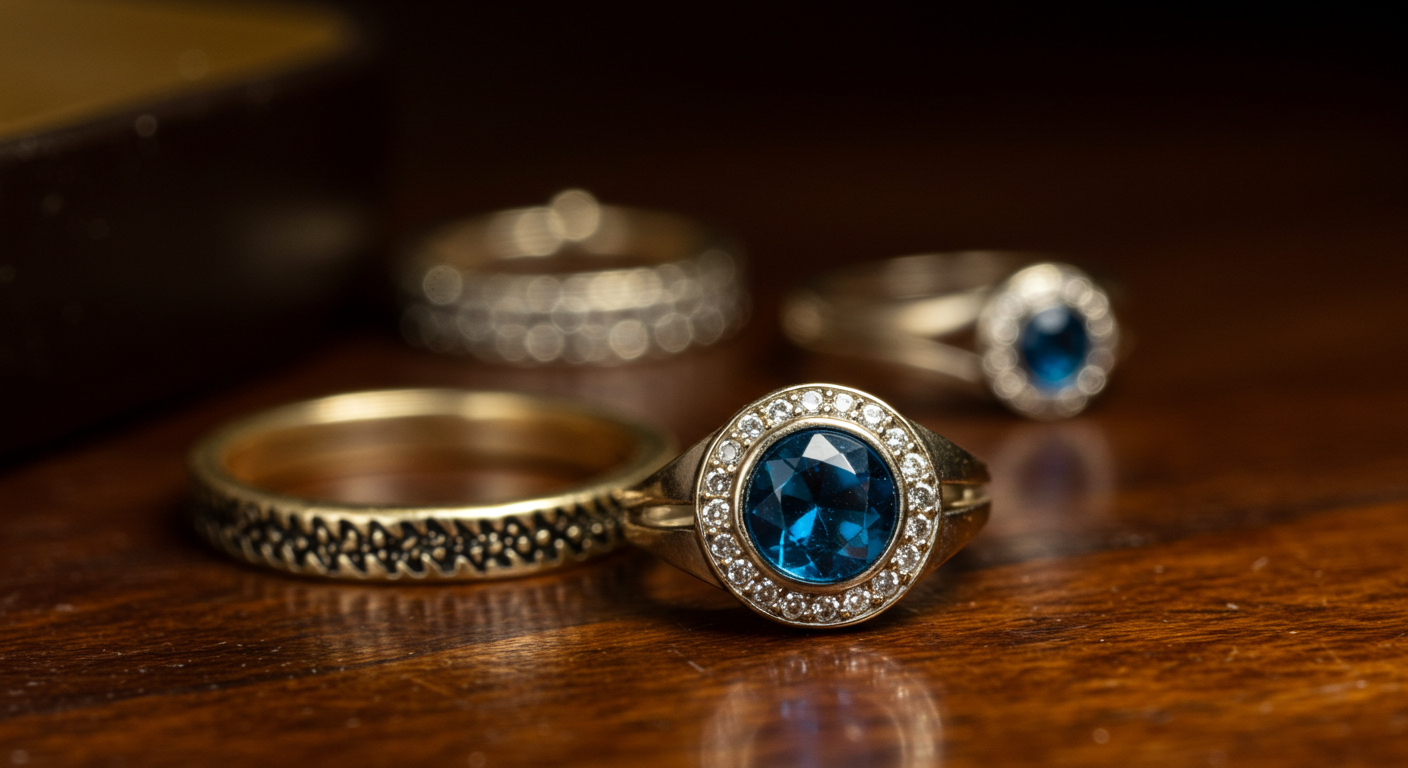
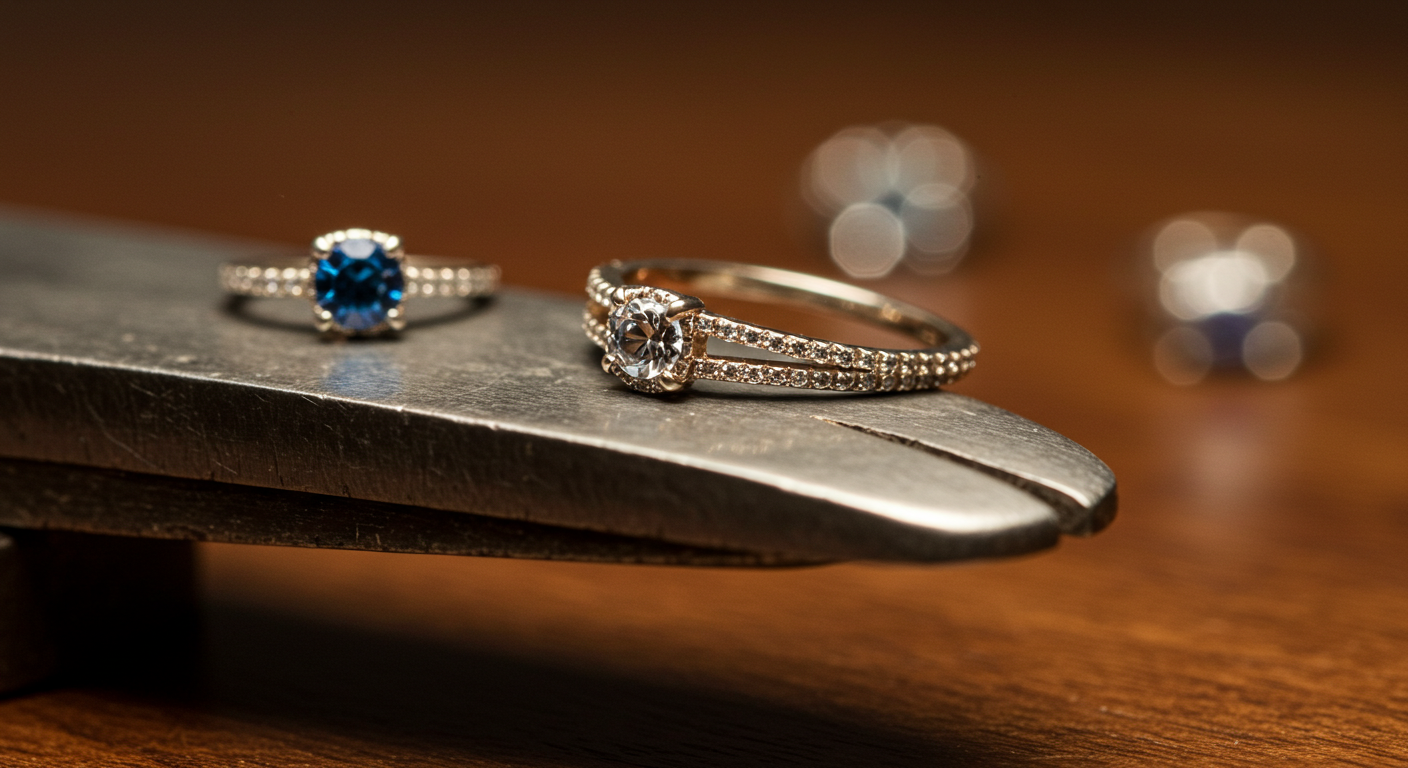
Forty-seventh Street between Fifth and Sixth Avenues tells part of that story. For decades, this single block has been the center of New York’s diamond and jewelry trade, a concentration of expertise that draws buyers from around the world. The storefronts here are modest, almost anonymous from the outside, but inside them millions of dollars in precious metals and gemstones change hands every week. It’s a peculiar kind of commerce, conducted in small rooms with security buzzers and jeweler’s loupes, a remnant of an older way of doing business that persists because trust and reputation still matter more than square footage.
From Farmland to Factory District
In the 1800s, this section of Manhattan was still transitioning from rural to urban. The blocks west of Sixth Avenue were among the last to fill in, and when they did, it was with workshops, stables, and small manufacturing concerns. The neighborhood had a working character, less grand than the avenues to the east but more practical. By the early twentieth century, the garment industry had claimed much of the territory, with fabric cutters and seamstresses working in loft buildings that still stand today, their fire escapes zigzagging down brick facades.
The Port Authority Bus Terminal arrived in 1950, cementing the area’s role as a transit hub. Commuters poured through daily, but few lingered. Forty-second Street between Seventh and Eighth Avenues became notorious for adult theaters and hustlers, a stretch the city spent decades trying to clean up. The diamond dealers on 47th Street kept to themselves, a tight-knit community that operated behind locked doors while the streets outside grew rougher.
The Theater District’s Shadow
Times Square’s transformation in the 1990s changed the equation. As Disney and other corporations moved in, pushing out the peep shows and replacing them with family-friendly attractions, the surrounding blocks began to gentrify by proximity. New hotels went up along Eighth Avenue. Office towers rose where parking lots had been. The neighborhood’s identity became harder to pin down—was it an extension of the theater district, a business corridor, or something else entirely?
The jewelry trade adapted. While retail diamonds moved to showier locations, the wholesale business remained concentrated on 47th Street, where relationships built over generations mattered more than foot traffic. Dealers in gold bullion and precious metals found a home here too, serving clients who valued discretion and expertise over flashy storefronts. The block became a kind of financial district in miniature, a place where serious transactions happened away from the spotlight.
Hudson Yards and the Latest Shift
The development of Hudson Yards, just a few blocks west, has brought yet another wave of change. Luxury condos and corporate headquarters now occupy land that was railyards within living memory. The High Line funnels tourists through the western edge of the neighborhood, and suddenly Midtown West finds itself bordered by some of the most expensive real estate in the city.
Yet the core of the area resists easy categorization. Forty-seventh Street still hums with its specialized commerce. The side streets between Eighth and Ninth Avenues hold a mix of rehearsal studios, casting offices, and restaurants that cater to theater workers on irregular schedules. Korean restaurants cluster near Herald Square, a reminder that neighborhoods don’t transform all at once but in patches and pockets.
What remains consistent is the sense of layering, of multiple eras and industries occupying the same few blocks. A building might house a jewelry wholesaler on one floor, a dance studio on another, and a tech startup on a third. The Port Authority still disgorges commuters by the thousands. Times Square still glows a few blocks east. But in between, Midtown West has carved out an identity that belongs neither to tourism nor to corporate Manhattan, but to the particular kind of work that happens when specialization and location intersect.
The Precious Metals Group has been part of this neighborhood’s fabric for years, operating from their offices at 30 W 47th St Suite 906, 9th Floor, New York, NY 10036 — (212) 840-0415. Like many businesses here, they’ve watched the area change while maintaining the kind of steady presence that defines Midtown West’s enduring character.
Frequently Asked Questions
What are the main attractions in Midtown West?
Midtown West is home to several iconic attractions, including Times Square, the Theater District, and the Hudson Yards development featuring the Vessel. Visitors can also explore the High Line park and the nearby Intrepid Sea, Air & Space Museum.
How do I get to Midtown West using public transportation?
Midtown West is easily accessible via several subway lines, including the A, C, E, 1, 2, and 3 trains. Additionally, numerous bus routes serve the area, and it is within walking distance from Penn Station and Grand Central Terminal.
What is the vibe of the Midtown West neighborhood?
Midtown West is known for its bustling energy, with a mix of tourists and locals. The area features a blend of commercial spaces, restaurants, theaters, and residential buildings, creating a vibrant urban atmosphere.
Is Midtown West a safe area for visitors?
Midtown West is generally considered safe for visitors, especially in well-lit and populated areas. Like any urban environment, it’s advisable to stay aware of your surroundings and take standard precautions, particularly at night.
Get Directions to The Precious Metals Group
🎧 Listen to this as a podcast
Also on Apple Podcasts, Spotify, and Amazon Music.