
Sell Gold: Turn Your Unused Luxury Watches into Instant Cash
Sell Gold and turn your unused luxury watches into cash this summer!
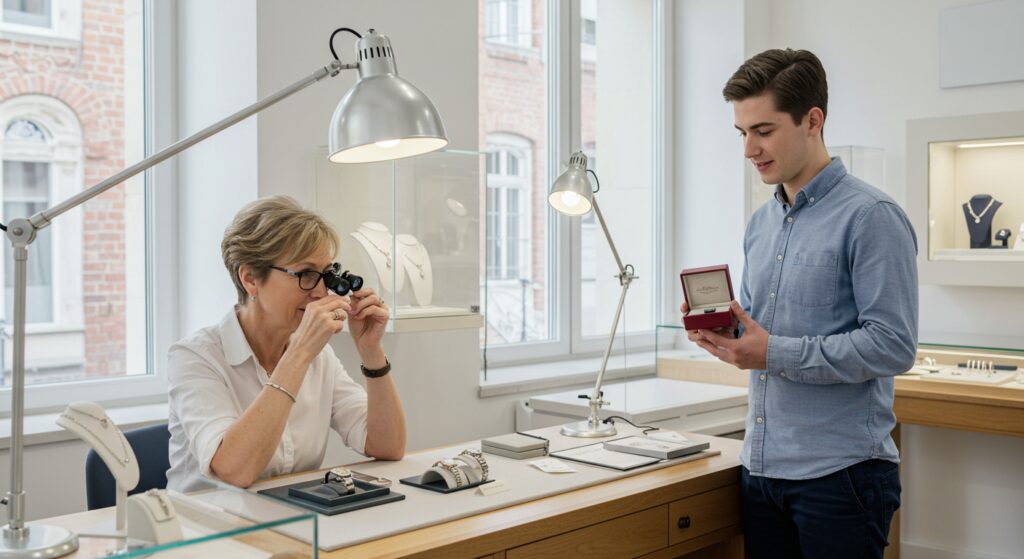
That Rolex collecting dust in your drawer isn’t just a timepiece — it’s a financial asset. When you’re ready to sell gold in NYC, luxury watches represent one of the most overlooked opportunities for immediate cash. Unlike costume jewelry or basic gold chains, high-end watches contain precious metals that hold real value, and right now, the market is paying attention.
Most people don’t realize their old luxury watch could be worth thousands. They assume it’s broken beyond repair or outdated beyond interest. The truth? Even non-functional luxury watches have significant value because of the gold, platinum, or precious metals in their construction. The watch industry has trained us to think about brand prestige and working condition, but precious metals buyers see something different: raw material worth.
Why Your Broken Rolex Is Worth More Than You Think
Walk into any jewelry buyer in Manhattan and mention you have a broken luxury watch. Watch their eyes light up. That’s not because they’re planning to fix it and resell it — it’s because they know what you might not: the case, band, and internal components contain gold that’s worth money regardless of whether the watch still ticks.
A typical 18K gold Rolex case weighs between 50-100 grams. At current market prices, that’s $3,000-$6,000 in gold content alone, before considering any collector value. Even watches from lesser-known luxury brands contain substantial amounts of precious metals. That Omega your grandfather left you? The Cartier you received as a graduation gift? They’re not just sentimental objects — they’re portable wealth.
The Precious Metals Group has been buying luxury watches in NYC’s Diamond District for over two decades, and they’ve seen every scenario. Watches with cracked crystals, missing crowns, water damage, or completely frozen movements — all still valuable. The key is understanding that you’re not selling a functioning timepiece. You’re selling the materials it’s made from, and those materials don’t depreciate just because the mechanism stopped working.
The Luxury Watch Metals Nobody Talks About
Not all luxury watches contain the same metals, and knowing the difference dramatically affects your payout. Most people assume their gold watch is 24K pure gold. It’s not. Luxury watchmakers use various gold alloys for durability and appearance, and each has a different value.
Rolex typically uses 18K gold, which is 75% pure gold. Cartier often uses the same. Some vintage pieces use 14K gold (58.3% pure), while a few ultra-luxury brands work with platinum, which is actually worth more per gram than gold right now. Understanding the difference between platinum and white gold can mean hundreds or thousands of dollars in your pocket.
Then there’s white gold, which confuses everyone. It looks like platinum or steel, but it’s actually gold mixed with other metals and coated with rhodium. Over time, that coating wears off, revealing a yellowish tint underneath. Many sellers assume their watch is steel when it’s actually white gold worth considerably more. A reputable buyer will test the metal composition before making an offer — if they don’t, walk away.
The watch band alone can be surprisingly valuable. Solid gold bracelets on luxury watches often contain more gold than the case itself. Some Rolex President bracelets weigh over 100 grams in 18K gold. That’s $6,000+ in raw material before considering any collector premium. Even if the watch head is damaged beyond repair, that bracelet retains full value.
What Buyers Actually Look For in Luxury Watches
When you walk into a buyer’s office with a luxury watch, they’re evaluating three distinct value streams: precious metal content, collector value, and parts value. Understanding this helps you negotiate better and recognize when someone’s trying to lowball you.
First, they’ll test the metal. Legitimate buyers use XRF analyzers that determine exact metal composition without damaging the watch. This tells them precisely how much gold, platinum, or other precious metals they’re working with. This is your baseline value — the absolute minimum the watch is worth as scrap material.
Next comes collector value. Is this a sought-after model? Does it have original papers or box? Is the serial number intact? Certain Rolex models (Submariner, Daytona, GMT-Master) command premiums even in poor condition because collectors will restore them. Other brands have niche followings that drive prices up. A buyer who specializes in luxury watches will recognize these opportunities and pay accordingly.
Finally, there’s parts value. Even if your watch is too damaged for resale, individual components might be valuable. Original Rolex crowns, bezels, and movements sell separately to watchmakers doing repairs. Vintage watch parts are particularly valuable because manufacturers stopped making them decades ago.
The best buyers in NYC evaluate all three value streams and offer you the highest number. Lesser buyers only look at scrap value and pocket the difference. Different neighborhoods in NYC have different buyer specialties, so location matters more than you’d think.
The NYC Advantage: Why Location Changes Everything
Selling a luxury watch in New York City gives you advantages unavailable anywhere else in the country. The concentration of high-end buyers, the competitive market, and the sheer volume of transactions mean you’ll get better offers here than in smaller markets.
Manhattan’s Diamond District alone has dozens of buyers competing for your business. This competition works in your favor. A buyer in a small town can offer whatever they want because you have limited alternatives. In NYC, if one buyer offers $4,000 for your watch, you can walk two doors down and potentially get $4,500. This competitive pressure keeps offers honest and margins thin.
The city also attracts specialized buyers who understand luxury watches beyond their metal content. These buyers have networks of collectors, restoration specialists, and international markets. They can see value that a generic “we buy gold” shop would miss entirely. That vintage Patek Philippe your father wore? A specialized buyer might offer three times what a basic gold buyer would pay.
Timing matters too. Gold prices fluctuate daily based on global economic conditions, and luxury watch values follow similar patterns. Right now, precious metals are in a strong position, making this an opportune moment to convert unused watches into cash. A knowledgeable NYC buyer will explain current market conditions and help you understand whether waiting might benefit you — though most honest buyers will tell you that trying to time the market perfectly is a fool’s errand.
The Precious Metals Group operates in the heart of Manhattan’s buying district, where they see hundreds of luxury watches every month. That volume gives them pricing advantages and market knowledge that translates to better offers for sellers. They’re not guessing at values — they know exactly what watches are selling for because they’re in the market every single day.
What to Bring and What to Expect
Preparation makes a difference when selling luxury watches. Bring any documentation you have: original box, papers, receipts, service records. These don’t affect the precious metal value, but they can significantly increase collector value if your watch has resale potential.
Don’t clean the watch before bringing it in. Many sellers think they’re helping by polishing their watch, but aggressive cleaning can actually reduce value by removing original finishes or damaging delicate components. Bring it as-is and let the buyer assess it in original condition.
Expect the evaluation to take 15-30 minutes for a thorough assessment. Quick evaluations usually mean the buyer is only looking at scrap value and ignoring collector potential. A detailed evaluation includes metal testing, model identification, condition assessment, and market research. This takes time, but it’s time that translates into a better offer.
Get multiple offers. Even in NYC’s competitive market, offers can vary by 20-30% between buyers. The
Frequently Asked Questions About Sell Gold
How do I know I’m getting a fair price for my gold in NYC?
The best way to ensure you’re getting a fair price is to check the current spot price of gold online before visiting a buyer, and get quotes from at least 2-3 reputable dealers in NYC. Legitimate buyers will weigh your gold in front of you, test its purity, and explain how they calculated their offer based on the current market rate. Be wary of buyers who won’t show you the scale or rush you into a sale.
What documents do I need to bring when selling gold in New York City?
You must bring a valid government-issued photo ID such as a driver’s license, passport, or state ID card. New York law requires all gold buyers to record seller information for every transaction to prevent the sale of stolen goods. Some dealers may also ask for proof of address if you’re selling high-value items, so it’s helpful to bring a recent utility bill or bank statement as well.
Should I sell my broken or damaged gold jewelry, or is it worthless?
Absolutely sell it! Broken chains, single earrings, bent rings, and damaged jewelry are worth the same as intact pieces because buyers pay based on the gold content, not the condition or appearance. In fact, many people are surprised to learn that their old, unwanted, or broken gold jewelry can fetch hundreds or even thousands of dollars depending on the weight and karat.
What’s the difference between 10K, 14K, and 18K gold, and how does it affect what I get paid?
The karat number indicates the purity of your gold—10K is 41.7% pure gold, 14K is 58.3% pure, and 18K is 75% pure, with the remainder being other metals. Higher karat gold contains more actual gold, so an 18K piece will be worth more per gram than the same weight in 10K. Reputable NYC buyers will test each piece separately and pay you according to its specific purity level.
Is it better to sell gold to a pawn shop or a dedicated gold buyer in NYC?
Dedicated gold buyers typically offer better prices than pawn shops because they specialize in precious metals and often refine the gold themselves, cutting out middlemen. Pawn shops need to resell items for profit and may offer 40-60% of value, while specialized buyers often pay 70-90% of the gold’s melt value. For the best return, visit a well-reviewed gold buyer in the Diamond District or an established jewelry buyer with transparent pricing.